Popular
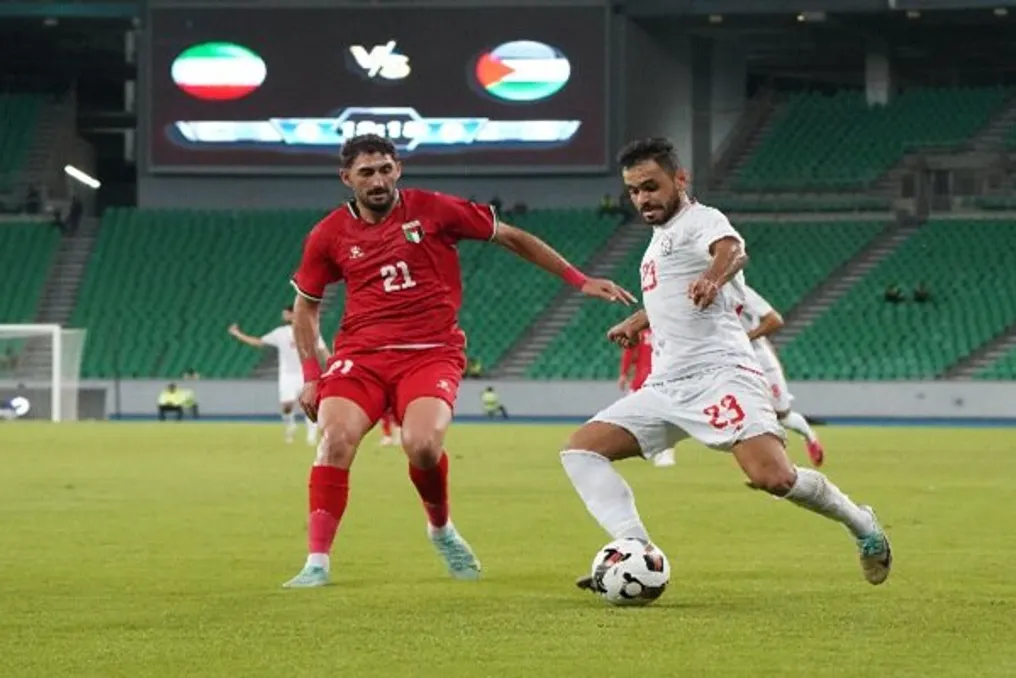
Iran's victory over Palestine showed signs of generational change but highlighted the need for tougher tests
Iran's 2-0 victory over Palestine in Basra demonstrated encouraging signs of a new generation taking over, yet it also revealed an old problem: the national team requires more attacking diversity and, more importantly, stronger opponents to gauge its progress. The Need for More Serious Tests for Iran's Youth Renewal The team, managed by Amir Ghalenoei, used the tournament's first match in Basra to give opportunities to young players, as the average age of the squad was four years lower than that of the team that lost to Russia during the previous international break. Five young footballers—goalkeeper Mohammad Khalifeh, Mohammad Farabasi, Ali Golizadeh, Hossein Gudarzi, and Afshin Sadeghi—made their international debuts, and the coach gave playing time to 22 out of 29 members of his squad. Positive aspects were noted: Hosseinjad and Gudarzi showed potential, with the latter making a decisive contribution after coming on as a substitute. His two excellent crosses led to goals by Sardar Azmoun and Saleh Hardani, securing the win in the final minutes of the match. Nevertheless, the result should not hide the limitations of Iranian play. Palestine was reduced to 10 men in the 66th minute, and prior to that, Iran struggled to break through their defensive organization. Both goals were scored after a sending-off, and wing crosses once again proved to be the most effective attacking route. Iran created chances and could have scored more, but the reliance on crosses underscored the lack of alternative solutions in the final third of the pitch. Against more organized and physically stronger opponents, such predictability could become a serious problem. Amir Ghalenoei admitted that the victory is only part of the bigger picture. He stated that the priority during the current international window was providing opportunities to young players, adding that Iran needs to face bigger teams to assess its readiness. He also emphasized the importance of playing in front of large crowds and under high pressure, pointing to the need for high-level friendly matches before the 2027 Asian Cup. This makes Tuesday's match against Iraq particularly significant. Unlike Palestine, Iraq should provide a more complex test both tactically and emotionally, especially in front of their home fans. Iran's recovery process began with some encouraging individual performances. However, integrating young players is only the first step. The team needs challenging matches, and 'Team Melli' must develop more ways to create and execute scoring opportunities. The victory in Basra was a useful start, but not proof of a completed transition.
November 15, 16:27Severance Pay Calculation: How Much Will an Employee Receive After 5 Years of Service with a Salary of 50,000 Rupees?
November 15, 16:19Microsoft Outage Highlights Risks of Digital Service Concentration and Critical Infrastructure Dependence
November 15, 16:06India defeats New Zealand in ODI series 3-1; parliamentary sessions and Biden's accusations against Netanyahu discussed
November 15, 16:05Halo: Franchise Review, from the launch of Combat Evolved to the most recent titles
November 15, 16:00Pushkar Mela 2026: Announcement of Cultural Events in November in Rajasthan State
November 15, 15:56Pulmonologist discusses the consequences of prematurity for lungs and protective measures for infants after discharge
November 15, 14:48Spain leads Europe in non-alcoholic beer consumption
November 15, 13:06Uzbekistan and Tajikistan sign agreements on forest and landscape protection
November 15, 10:45Uzbekistan and GGGI plan to conduct the first forest carbon unit transaction by 2027
November 15, 10:30Uzbekistan and Acwa agree on developing carbon markets
November 15, 10:15Uzbekistan citizens made over 1.5 million labor trips to Russia in the first half of 2026
November 15, 10:00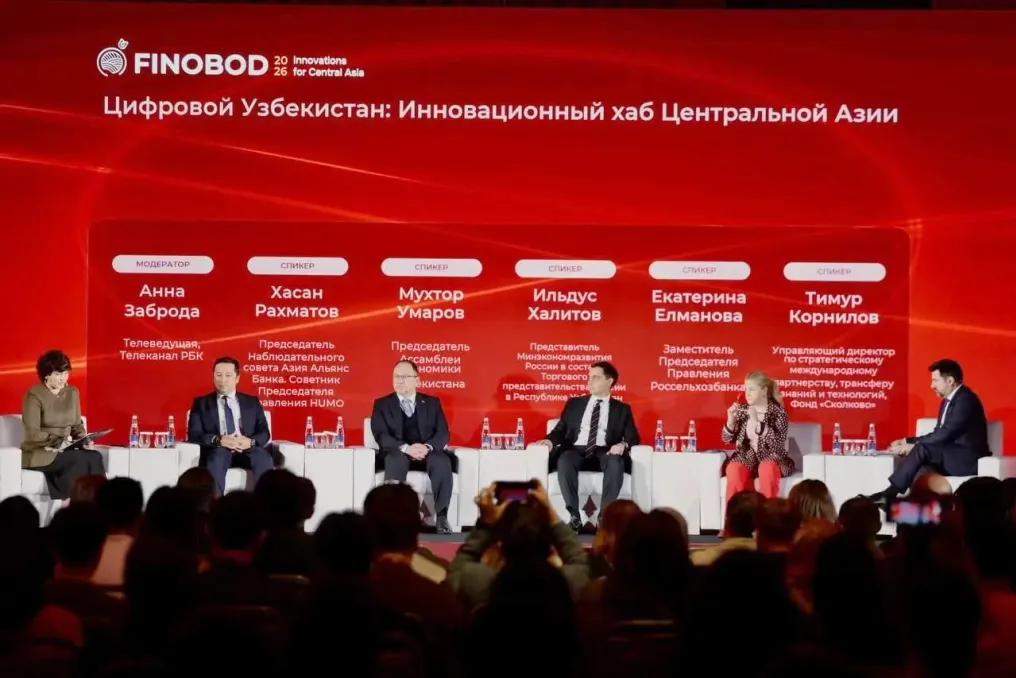
Experts from Russia and Uzbekistan Discuss Obstacles to Industrial Cooperation
Russian and Uzbek specialists held discussions on barriers hindering joint investment and industrial projects. This took place during an expert session at the FINOBOD 2026 forum in Tashkent, according to a report from the National Institute of Strategic Analysis and Economic Development (NISARE). The session, titled 'Industry of the New Cycle: Capital, Data, and Growth Technologies,' was dedicated to developing industrial interaction between the two countries. The event was organized by NISARE with the support of the Russian Trade Representation in Uzbekistan. Representatives from state bodies, business organizations, and industrial enterprises from both countries participated in the discussion. Participants reviewed issues such as industrialization, attracting investments, implementing digital solutions, and ensuring production cybersecurity. The possibilities offered by Uzbekistan's special economic zones for hosting joint production facilities were also discussed. Igor Kamynin, Deputy Trade Representative of Russia in Uzbekistan, reported that bilateral trade turnover increased by more than 20% in the first seven months of 2026, reaching approximately 7.5 billion US dollars. He emphasized that 'industrial cooperation and investment interaction are key areas for developing the partnership between Russia and Uzbekistan.' Karina Mikheeva, Deputy General Director of NISARE, noted that the implementation of joint industrial projects requires accessible engineering infrastructure, investment financing, and technological solutions. She also pointed out difficulties related to harmonizing technical standards and organizing interaction between financial institutions and enterprises. Mikheeva added that 'NISARE's task in this area is to find practical solutions to overcome these barriers.' According to the institute's experts, further industrial cooperation will depend on creating stable production links and improving interaction mechanisms between business and development institutions. Furthermore, it was recognized as necessary to eliminate obstacles at the stages of preparing and implementing investment projects. NISARE is an autonomous non-profit organization specializing in strategic analysis and providing expert support to projects in the fields of economy, industry, infrastructure, technology, and regional development. The organization supports initiatives at all stages—from problem analysis and feasibility study preparation to road map development and project monitoring.
November 15, 09:45Number of active enterprises in Uzbekistan grew by 19% over the year
November 15, 09:45Industrial production in Uzbekistan's special economic zones grew by 18.7%
November 15, 09:30Uzbekistan commissioned 1104.6 km of water supply networks over nine months
November 15, 09:00As of October, 18,847 active artisans are registered in Uzbekistan
November 15, 08:45