Uzbekistan and Tajikistan sign agreements on forest and landscape protection
Read more
UzDaily
uzdaily.uz

Uzbekistan and Tajikistan sign agreements on forest and landscape protection

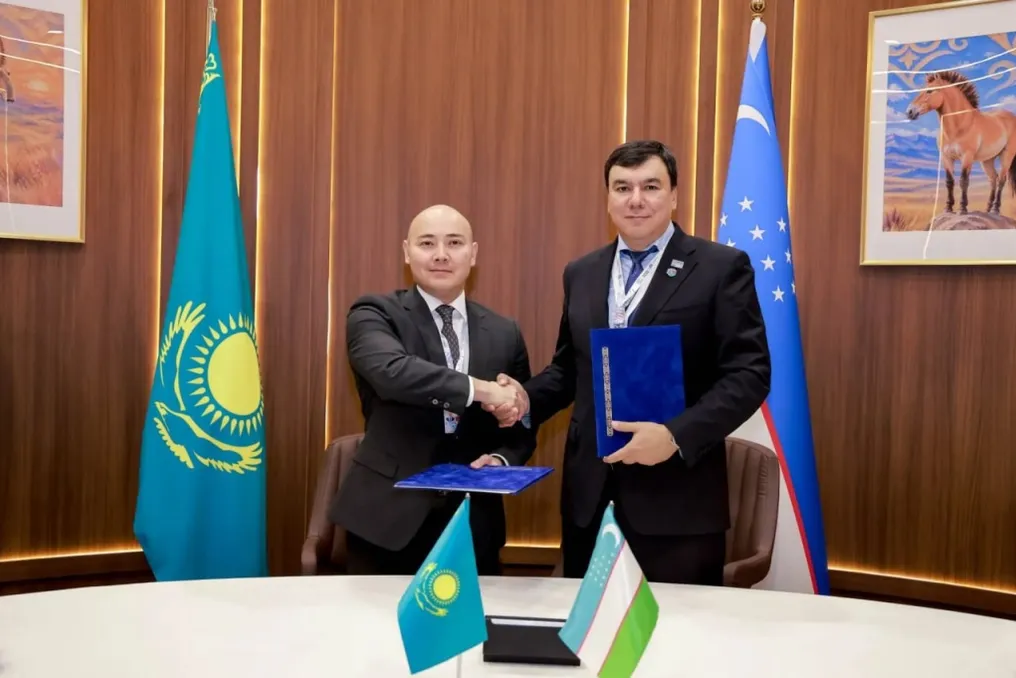
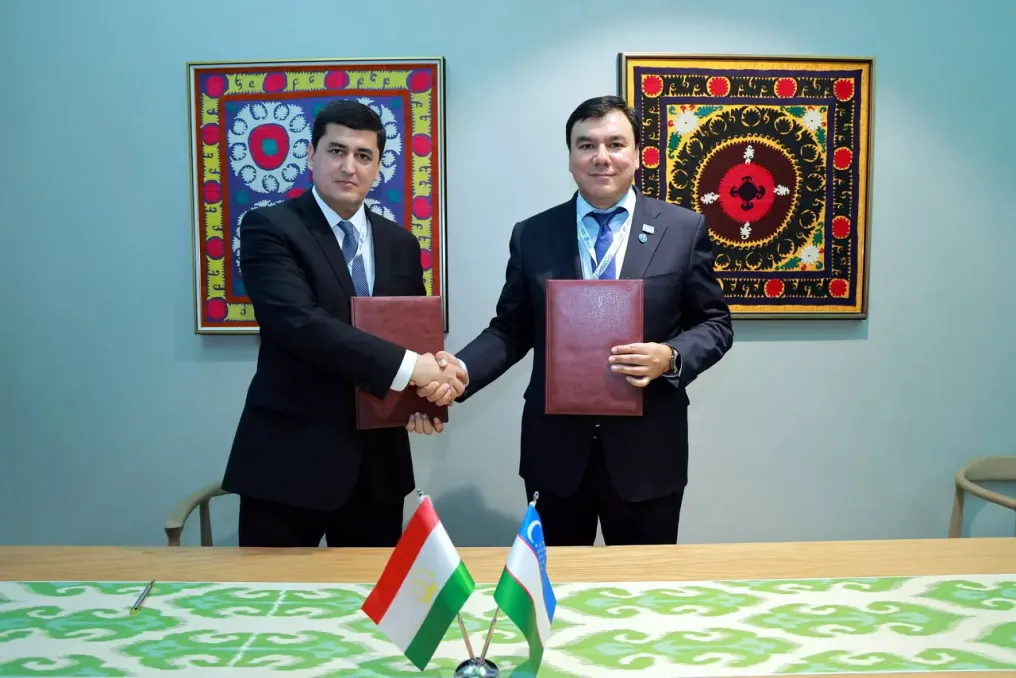
Uzbekistan and Tajikistan signed two joint declarations of intent concerning sustainable landscape management and the prevention of forest fires, according to the National Committee on Ecology and Climate Change of Uzbekistan.

These documents were signed during the sidelines of the COP31 climate conference following a high-level event titled 'Regional Cooperation for Enhancing Landscape Resilience.' Representatives from Central Asian countries, international organizations, and development partners participated in the event.

The first declaration provides for the use of nature-based solutions to support sustainable landscape management and strengthen ecosystem resilience. The second declaration aims to establish a regional early warning system for forest fires.

Participants emphasized the cross-border nature of environmental problems in Central Asia. Major threats included land degradation, forest fires, the spread of invasive species, and biodiversity loss.

Growing pressure on specially protected natural areas was also discussed. Participants noted that solving these issues requires coordinated approaches, joint monitoring, and cooperation among the region's countries.

Kazakhstan, Turkmenistan, and the Kyrgyz Republic are also expected to sign two additional joint declarations of intent. The event introduced the RESILAND CA+ program, implemented with the support of the World Bank.

This program is aimed at landscape restoration, promoting sustainable natural resource management, and increasing climate resilience across all Central Asian countries. The regional component is coordinated by the Central Asia Regional Environmental Centre (CAREC).

CAREC supports cross-border cooperation, knowledge exchange, and the implementation of harmonized approaches to environmental protection. Participants stated that the agreements reached lay the foundation for joint practical projects involving international partners and financial institutions.
Similar stories

Uzbekistan and GGGI plan to conduct the first forest carbon unit transaction by 2027
Read more
uzdaily.uz

Uzbekistan and GGGI plan to conduct the first forest carbon unit transaction by 2027

The National Committee on Ecology and Climate Change reported that Uzbekistan and the Global Green Growth Institute (GGGI) intend to identify priority investment projects and prepare the first transaction for forest carbon units by the end of March 2027.

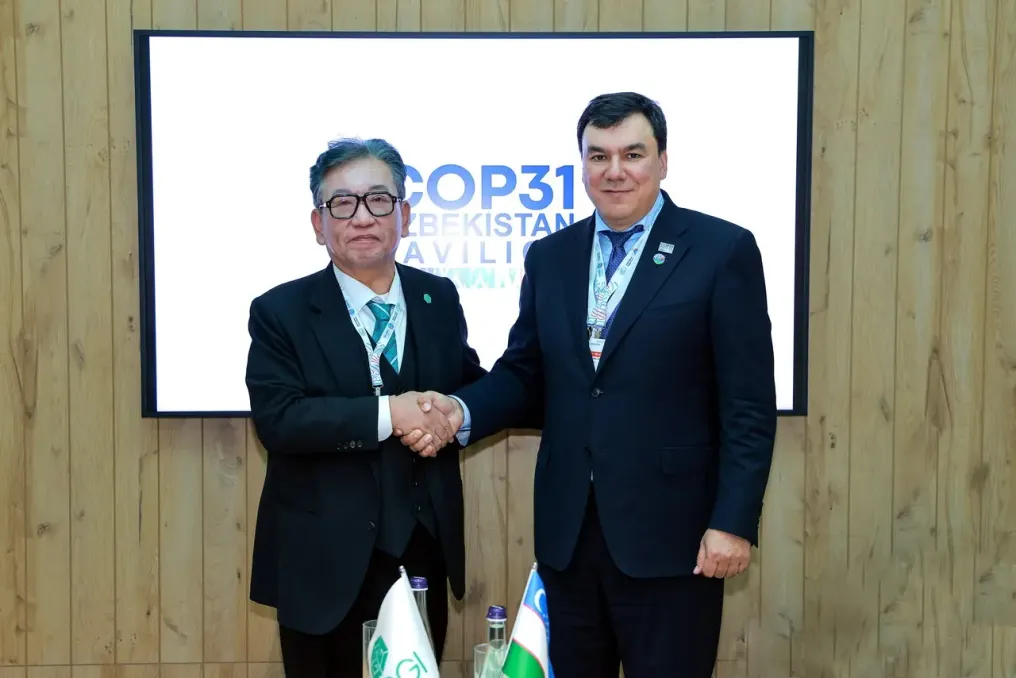
Discussions on the plans took place during a meeting between Aziz Abduhakimov, Presidential Advisor on Ecology and Chairman of the National Committee on Ecology and Climate Change, and GGGI Director General San-Hyop Kim. These negotiations were held on the sidelines of the 31st UN Climate Change Conference (COP31) in Antalya.

Key issues discussed included attracting green investments, preparing climate projects for financing, and conducting the first carbon transactions under Article 6 of the Paris Agreement. It was noted that Uzbekistan became the first CIS country to join GGGI. Furthermore, the institute opened its first office in Central Asia in Tashkent.

Representatives of Uzbekistan expressed gratitude to GGGI for supporting environmental protection measures in the Aral Sea region, implementing strategic environmental assessments, and realizing the 'Clean Hydrogen for Uzbekistan' project. Participants also reviewed the KOICA program for the period 2026–2030, aimed at supporting the implementation of the Paris Agreement and applying its Article 6.

Within the framework of the Cooperation Program between Uzbekistan and GGGI for 2024–2028, the parties discussed creating a joint portfolio of investment projects. This portfolio should include initiatives in sustainable forestry, climate-smart agriculture, and green construction. It is planned that these projects will comply with the national investment program, as well as the 'Yashil Makon' and 'Bio Meros' initiatives.

Special attention was paid to preparing the first carbon units from forest projects in the Aral Sea region. According to the committee, over two million hectares of protective plantings have already been created on the dried bed of the Aral Sea. Their carbon potential is expected to be used to attract additional funding through the mechanisms of Article 6 of the Paris Agreement.

To support this work, the parties discussed developing a Monitoring, Reporting, and Verification (MRV) methodology using satellite data and artificial intelligence. They also considered structuring the first carbon transaction within the Uzbekistan–South Korea cooperation and attracting buyers from South Korea through the Carbon Transaction Facility platform.

Following the meeting, the parties proposed identifying priority investment projects and agreeing on a roadmap to prepare the first transaction for forest carbon units by the end of the first quarter of 2027. They confirmed their intention to continue cooperation and move towards the practical implementation of joint climate and environmental initiatives.

Uzbekistan and Georgia Agree on Measures to Enhance Protection of Uzbek Migrants' Rights
Read more
podrobno.uz

Uzbekistan and Georgia Agree on Measures to Enhance Protection of Uzbek Migrants' Rights

Uzbekistan and Georgia have reached an agreement to strengthen partnership in the field of migrant rights protection and improve consular support systems. Furthermore, the states plan to jointly provide citizens with information regarding migration legislation and entry rules for both countries.

Discussion on Migrant Rights Protection Issues

The issues were discussed by the Deputy Minister of Foreign Affairs of Uzbekistan, Olimjon Abdullaev, and the Ambassador of Georgia, David Kotaria. The main focus was placed on ensuring the protection of the rights and legitimate interests of Uzbek citizens residing in Georgia, as well as strengthening ties between the relevant departments of the two states.

As a result of the meetings, the parties decided to create a joint media plan. This plan will allow regular informing of the public about migration requirements. It is expected that such explanatory activity will increase awareness of residence and entry rules and reduce the likelihood of illegal migration.

Representatives of both countries also confirmed their readiness to continue interaction within the framework of bilateral consular consultations. Previously, the Ministry of Internal Affairs of Georgia reported the deportation of 91 foreigners, among whom were Uzbek citizens; all deported individuals were banned from re-entering the republic.

Uzbekistan and Kazakhstan sign memorandum on joint protection of saiga antelope
Read more
podrobno.uz

Uzbekistan and Kazakhstan sign memorandum on joint protection of saiga antelope

At the COP31 climate summit held in Turkey, Uzbekistan and Kazakhstan reached an agreement on joint activities to conserve the saiga antelope—a species that is one of the most vulnerable and rare in Central Asia. A memorandum defining directions for cooperation in the field of protection, study, and restoration of the animal population was signed under this agreement.

The signing took place between the National Committee on Ecology and Climate Change of Uzbekistan and the Ministry of Ecology and Natural Resources of Kazakhstan. The main focus of future interaction will be joint monitoring of the saiga population and tracking their migration routes.

The countries also plan to exchange scientific data, conduct necessary research, and intensify efforts to combat poaching and illegal wildlife trade. Special emphasis will be placed on preserving the natural habitats of the saiga.

To achieve this goal, the restoration of natural pastures and water bodies, as well as the development of protected areas on the border of the two states, are planned to ensure animals can move freely. Furthermore, Uzbekistan and Kazakhstan will study the prospect of reintroducing saiga into their former habitats, which will require fieldwork and the development of special species restoration programs.

This partnership is expected to allow for more effective protection of the saiga and make a significant contribution to the conservation of biodiversity throughout the entire Central Asian region. Previously, Uzbekistan had expressed the idea of using artificial intelligence to fight poachers and create a network of nature reserves in Central Asia.

Popular