Uzbekistan and Tajikistan Cancel Road Fees for Transporting Construction Materials
Read more
Podrobno.uz [uz]
podrobno.uz

Uzbekistan and Tajikistan Cancel Road Fees for Transporting Construction Materials

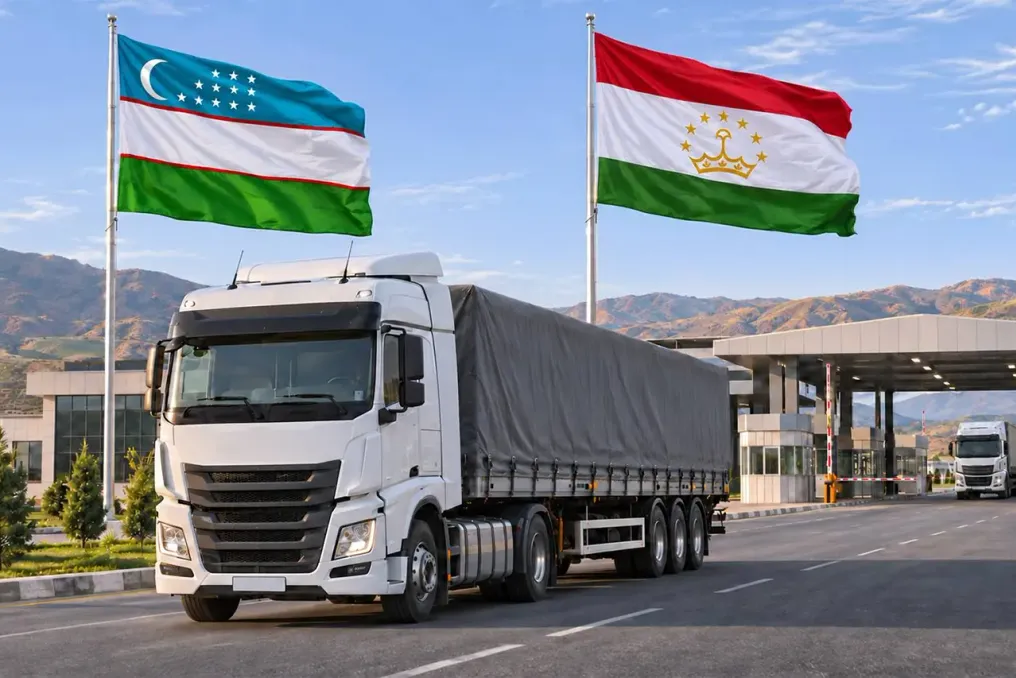
Starting December 1st, Uzbekistan and Tajikistan will cease collecting road fees from trucks transporting a range of construction materials. This decision is aimed at reducing transport costs and stimulating the growth of bilateral trade volumes.

Information about the cancellation of fees was provided by the Ministry of Investment, Industry, and Trade. The benefits will apply to transport carrying cement, clinker, magnetite, limestone, and loess. Previously, similar concessions applied to the transport of coal and salt.

The exemption from fees will be implemented in accordance with quotas agreed upon between the states for obtaining free transit permits. Furthermore, within the territory of Tajikistan, trucks carrying the listed goods will be exempt from terminal payments.

To practically implement the reached agreements, the parties plan to develop a common 'roadmap' and establish continuous data exchange between the relevant agencies. The countries have set a goal to increase mutual trade turnover to two billion dollars by 2030.

Previously, Uzbekistan and Tajikistan also agreed to increase the capacity of border crossings, accelerate the unloading process of railway wagons, and eliminate any barriers hindering the transportation of goods.

Similar stories

Uzbekistan and Tajikistan to abolish duties for trucks carrying specific cargo
Read more
uzdaily.uz

Uzbekistan and Tajikistan to abolish duties for trucks carrying specific cargo

Uzbekistan and Tajikistan have reached an agreement to exempt freight vehicles transporting certain construction materials and mineral products from road and terminal fees.

The Ministry of Investment, Industry and Trade of Uzbekistan reported that the new conditions will come into force on December 1, 2026. These agreements were reached during negotiations by working groups representing the authorized organizations responsible for trade and transport in both countries.

The parties discussed issues of increasing cargo volumes, reducing transportation costs, and expanding bilateral trade.

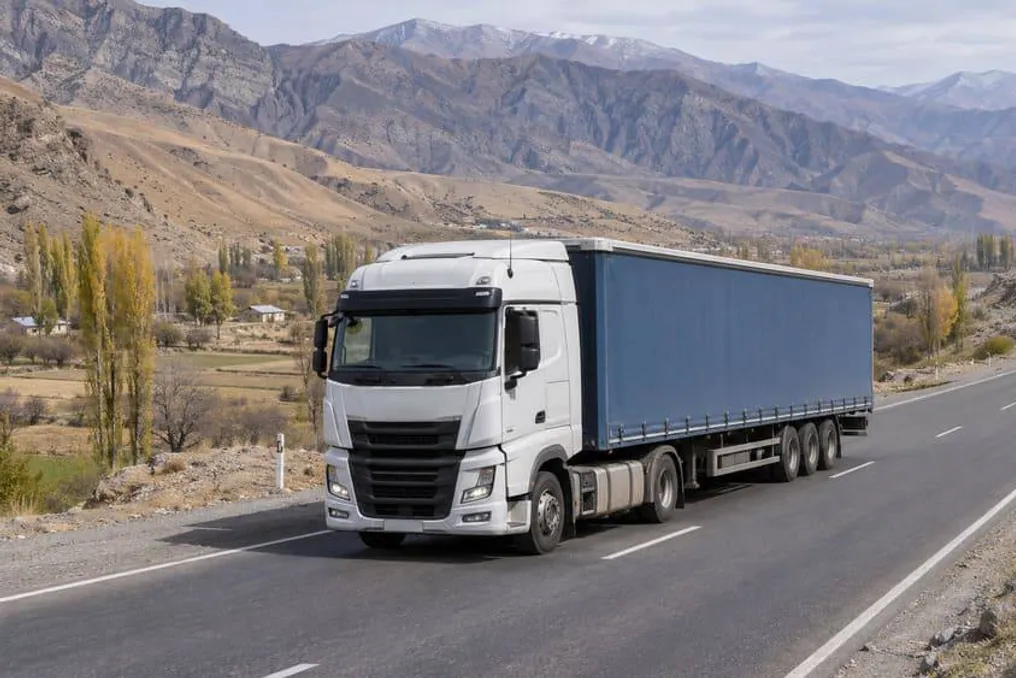
According to jointly agreed quotas for free transit permits, trucks transporting cement, clinker, magnetite, limestone, and loess will be exempted from road charges. This measure also applies to vehicles carrying coal and salt.

Furthermore, starting December 1, trucks passing through Tajikistan will also be exempt from terminal fees.

During the negotiations, the goal of increasing trade turnover between the countries to 2 billion US dollars by 2030 was also addressed. The parties discussed the implementation of agreements adopted at the 13th meeting of the Intergovernmental Commission, which took place on February 17, 2026.

For the practical implementation of these agreements, both sides plan to approve a joint roadmap and establish regular information exchange between the relevant ministries and agencies.

Mandatory requirements for the use of polymer bitumen and geotextile are being introduced in Uzbekistan for the construction of international roads
Read more
podrobno.uz

Mandatory requirements for the use of polymer bitumen and geotextile are being introduced in Uzbekistan for the construction of international roads

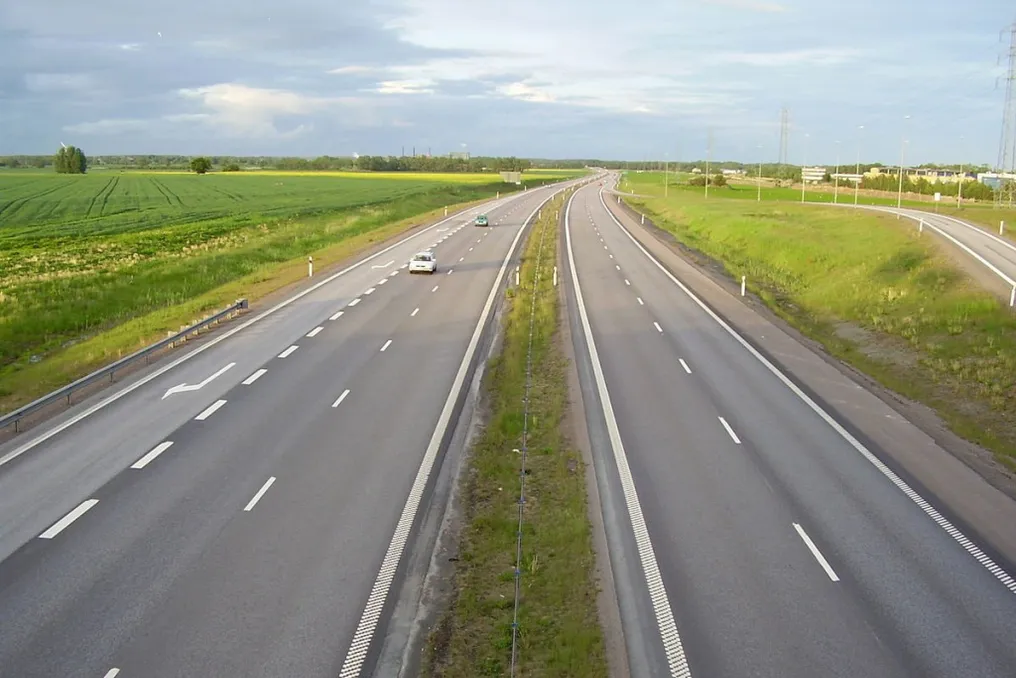
Uzbekistan plans to introduce mandatory standards regarding the application of polymer bitumen and geotextile when constructing and repairing international highways. In the future, these innovative materials are also intended for use on local and state-level roads.

Shavkat Mirziyoyev announced this during a meeting with representatives of the transport and logistics sectors, which took place at the Scientific and Practical Center of the Committee for Automobile Roads. According to the president, the use of polymer bitumen helps increase the frost resistance of the road surface and extends its service life by three to four years, minimizing the need for subsequent repairs and reducing the financial burden on the budget.

The Fergana Oil Refinery is planning to begin producing fifty thousand tons of polymer bitumen as early as March of next year, and by the end of the current year, production capacity is planned to be increased to at least one hundred thousand tons.

Another important technology is geotextile. This material was first used when laying asphalt on a toll road between Urgench and Khiva. Specialists estimate that geotextile will help evenly distribute loads on the road surface, prevent deformations, and extend the service life of the pavement by four to five years.

Relevant agencies have been instructed to integrate the use of polymer bitumen and geotextile into existing road construction standards. Initially, these requirements will only apply to international routes, after which they will be extended to state and municipal roads.

The meeting also discussed attracting Uzbek road companies to participate in foreign projects. Special attention was paid to preparing local specialists and enterprises for work in global markets and participation in international tenders. Furthermore, during the event, a portfolio of 131 projects was presented, covering the construction, maintenance, and management of roads and bridges with a total value of four billion dollars.

Uzbekistan plans to exempt import of freight wagons from VAT and introduce benefits for logistics companies
Read more
podrobno.uz

Uzbekistan plans to exempt import of freight wagons from VAT and introduce benefits for logistics companies

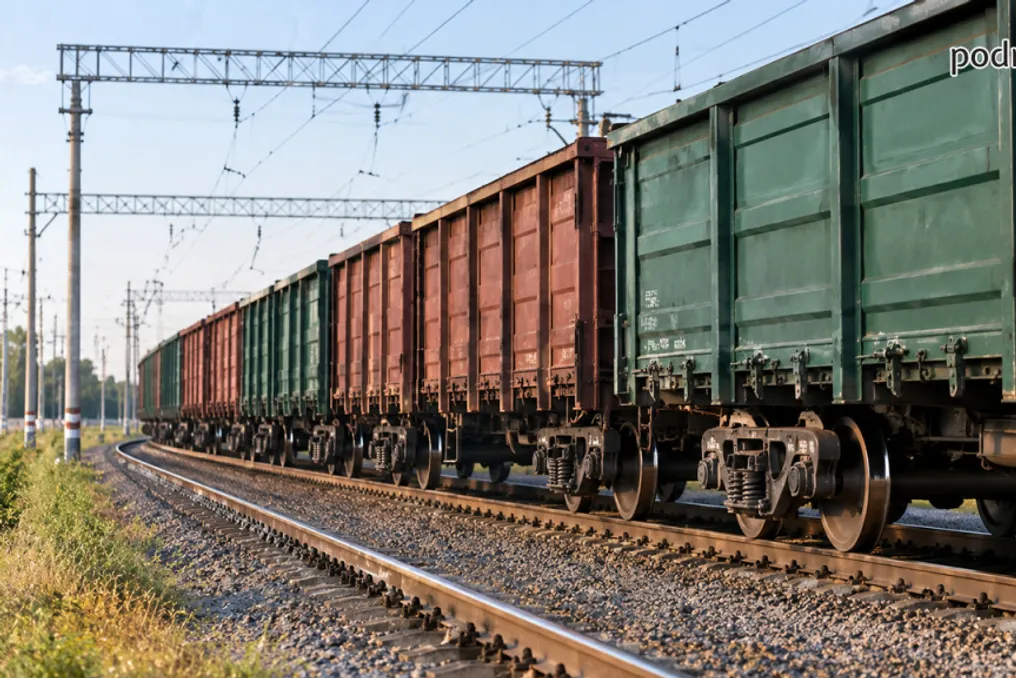
Uzbekistan is considering the possibility of exempting the import of freight wagons from value-added tax (VAT). In addition, discounts of up to 20% are provided for enterprises that use railway infrastructure.

These plans were announced during a meeting between President Shavkat Mirziyoyev and representatives of the transport and logistics sector, including investors and entrepreneurs. At this meeting, it was noted that the demand for freight wagons is constantly increasing, requiring the annual purchase of an additional five to six thousand units.

A zero VAT rate will also be introduced when using domestic wagons for international cargo transportation. Furthermore, starting in 2027, Uzbekistan intends to gradually implement a new tariff policy developed in collaboration with the World Bank. This policy involves detailed specification of fees for the use of railway tracks, locomotives, and wagons for each specific route.

In parallel, the country plans to actively develop its railway network. By 2030, the construction of 545 kilometers of new railway lines, increasing the share of electrified tracks to 65%, and expanding the fleet of electric trains to 31 units are planned. The total cost of these railway initiatives is estimated at eight billion dollars.

The implementation of these projects is driven by the expected significant increase in cargo transportation volumes after the opening of the China – Kyrgyzstan – Uzbekistan railway. Forecasts suggest that the volume of transport could increase tenfold, reaching 15–16 million tons annually. It should be noted that road infrastructure development projects in Uzbekistan, with a total cost of 6.5 billion dollars, are being carried out with the support of international financial institutions.

Popular