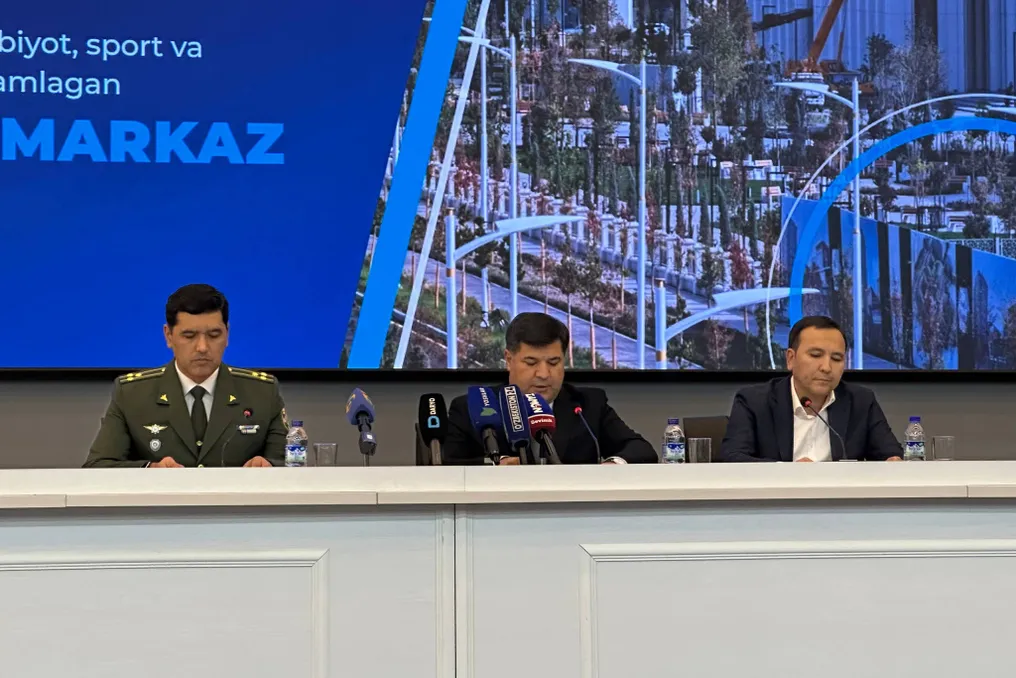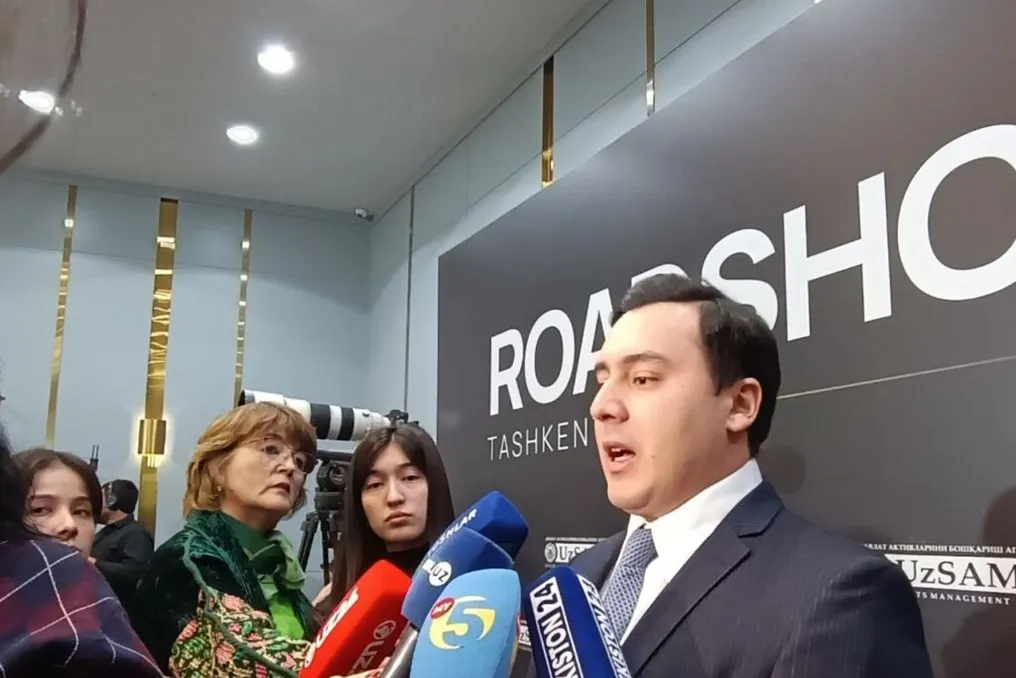
A significant investment event dedicated to the investment opportunities and state assets of Uzbekistan was held in Tashkent. The event was organized by the State Assets Agency (SUGA), which has been conducting such meetings for the sixth consecutive year, and this time concluded a series of regional presentations across the country.
The event attracted about 300 participants, including entrepreneurs and investors from both within Uzbekistan and abroad, as well as representatives from international financial institutions and corporate governance consultants. Speakers included delegates from the Chamber of Commerce and Industry of the Republic of Uzbekistan, the Asian Development Bank, the International Finance Corporation, and the European Bank for Reconstruction and Development.
The central theme of the meeting was the privatization program scheduled for the period 2026–2027, which was approved by Presidential Decree No. UP-177 dated August 28, 2026. Participants were provided with detailed information on which assets are available for purchase or lease, as well as what financial instruments can assist in financing these transactions.
Bekzod Safarov, Head of the International Cooperation Department of the State Assets Agency, noted that this roadshow is the culmination of events held in 12 regions and serves to create an open and transparent platform for engaging with investors. He emphasized that SUGA's efforts are focused on finding an owner for each asset through an individual approach. The main goal is to accelerate the inclusion of state assets and state property objects into economic circulation while generating added value and developing business according to global standards. The dialogue will feature not only promotional showcases of assets but also B2G meetings with business circles and investors for prompt resolution of emerging issues.
In 2026, it is planned to put up for sale state shares in the charter capital of 84 economic enterprises, 1,242 real estate objects, and land plots totaling approximately 8,000 hectares. Furthermore, according to Appendix No. 2 to the Decree, 62 packages of shares in the charter capital of enterprises will be realized during 2026–2027. The total expected revenue from the sale of these assets is estimated at no less than 14 trillion soms.
In the first 11 months of 2026, state assets and land plots totaling 60.84 trillion soms were listed for auction, of which 30.21 trillion soms were sold. It is particularly noteworthy that foreign investors from the USA, South Korea, Singapore, the Netherlands, China, Germany, Turkey, and Gulf countries managed to acquire state assets worth 5.2 trillion soms.
Mariam Sparsiashvili, Regional Director for Uzbekistan at Construction Management Company, expressed the view that all of Uzbekistan's assets are of interest to investors due to the country's wealth and large youth population. She sees significant potential in developing the hospitality and hotel business amid growing tourism and an increase in the flow of foreign guests, as well as in the development and real estate sector. She also highlighted favorable conditions for the startup ecosystem and data center construction. She particularly emphasized the importance of interaction with the government and access to reliable information from primary sources to understand state policy.
During ROADSHOW TASHKENT 2026, a question-and-answer session took place where representatives of state bodies and the Agency clarified current aspects of privatization, the procedure for acquiring state property, and the conditions for participating in relevant procedures. B2G and B2B formats allowed businesses to discuss specific lots directly with agency management and specialized staff, clarifying bidding rules and resolving complex issues individually. This open approach promotes private capital involvement, stimulates competition, and simplifies dealing with state assets.
The expansion of the privatization process leads to a reduction in the state's share in the economy, strengthening the competitive environment, and increasing the role of the private sector. Attracting private funds creates prerequisites for more effective use of state property, implementation of modern technologies, obtaining additional financing, and creating new jobs.