
Gas station in Uzbekistan suspended due to sale of substandard fuel
Read more
UzDaily
uzdaily.uz

Gas station in Uzbekistan suspended due to sale of substandard fuel

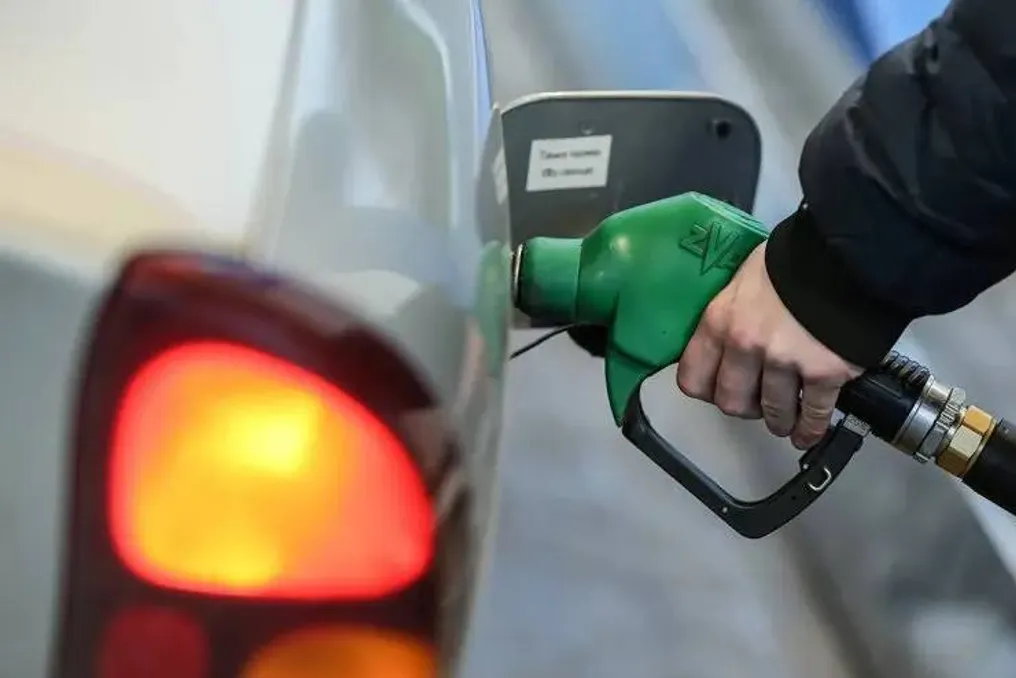
Uzbekistan authorities have suspended the operation of one of the gas stations in the Tashkent region after discovering the sale of AI-92 gasoline that did not meet established state standards, reports Uzenergoinspektsiya.

The inspection was initiated following a complaint regarding the sale of low-quality fuel at the station belonging to LLC "B.M.O.". Inspectors visited the site and took samples of the AI-92 gasoline being sold.

Laboratory tests confirmed that the fuel does not comply with state standard requirements. As a result of the inspection, a decision was made to temporarily suspend the station's operations.

Furthermore, the enterprise was fined 37 million soums for the violation, which is equivalent to 50% of the value of the petroleum product sold. The inspection stated its intention to continue inspections to ensure that fuel supplies comply with state norms and to prevent similar violations in the future.

Similar stories

Benzine reserves for two months created in Uzbekistan to prevent winter shortage
Read more
podrobno.uz

Benzine reserves for two months created in Uzbekistan to prevent winter shortage

Uzbekneftegaz has ensured the formation of gasoline reserves for the winter period, calculated for two months. In case of increased consumer demand, the company is ready to significantly increase fuel supply volumes on the exchange.

According to the company's information, 102 thousand tons of gasoline have been accumulated at oil depots and the Bukhara Refinery. This volume exceeds last year's indicator by 25 thousand tons. Currently, Uzbekneftegaz offers 4.6 thousand tons of fuel daily on the exchange, of which 4.3 thousand tons are AI-92.

If demand increases, supplies can first be increased to 8 thousand tons per day, and then up to 10 thousand tons. Such a need may arise in cold weather, as the operation of methane fueling stations is temporarily restricted during periods of low temperatures, which prompts drivers to use gasoline more often.

Company representatives also noted that rumors about the potential closure of methane gas stations are prompting some fueling stations to purchase larger quantities of gasoline in advance. This, in turn, stimulates demand and affects exchange prices. At the same time, the base price of fuel offered by Uzbekneftegaz for trading remained unchanged since April and amounts to 14 million soums per ton.

Earlier, the Ministry of Energy clarified that AI-80 gasoline, which appeared on the exchange, is intended exclusively for industrial processing needs and will not be available for free sale at regular gas stations.

Gasoline sellers in Uzbekistan may be charged additional taxes when selling below the exchange price
Read more
nuz.uz

Gasoline sellers in Uzbekistan may be charged additional taxes when selling below the exchange price

Wholesale suppliers of gasoline and diesel fuel in Uzbekistan have begun receiving notifications from tax authorities regarding potential underpayment of taxes. These issues arise when fuel is sold at a price lower than the average indicators set on the exchange.

Tax departments compare the actual cost of the sold fuel with data from exchange quotations. If it is found that the price was lower, the authorities have the right to question the correctness of the calculation for both VAT and profit tax.

However, the mere fact of selling fuel at a price lower than the exchange rate is not an automatic violation of tax legislation. The possibility of increasing tax liabilities is determined by the terms of the specific commercial transaction, the method of price formation, and the requirements set out in the Tax Code.

Experts advise enterprises that have received such official letters to conduct a thorough review of the legal basis for these claims. It is crucial to study in detail all relevant contracts and documentation that confirms the fuel's sale price.

This clarification primarily applies to wholesale suppliers of petroleum products. It should be noted, however, that no new restrictions on the sale of gasoline and diesel fuel have been introduced; this concerns only the application of existing tax norms.

Popular