Snow Leopard Captured by Camera in Khissar Nature Reserve
Read more
UzDaily
uzdaily.uz

Snow Leopard Captured by Camera in Khissar Nature Reserve

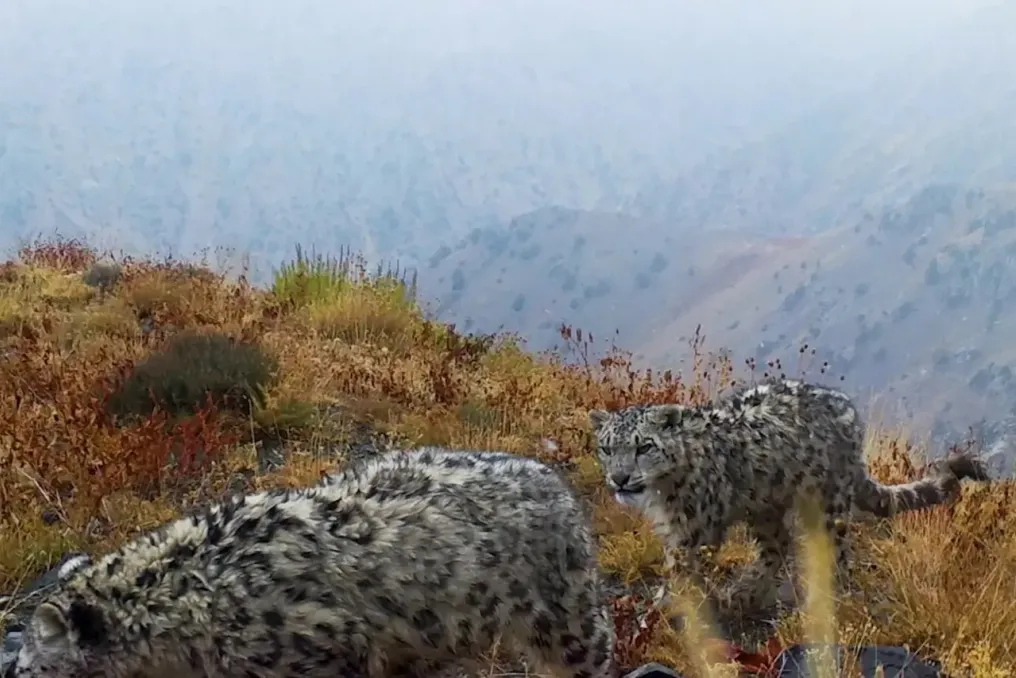
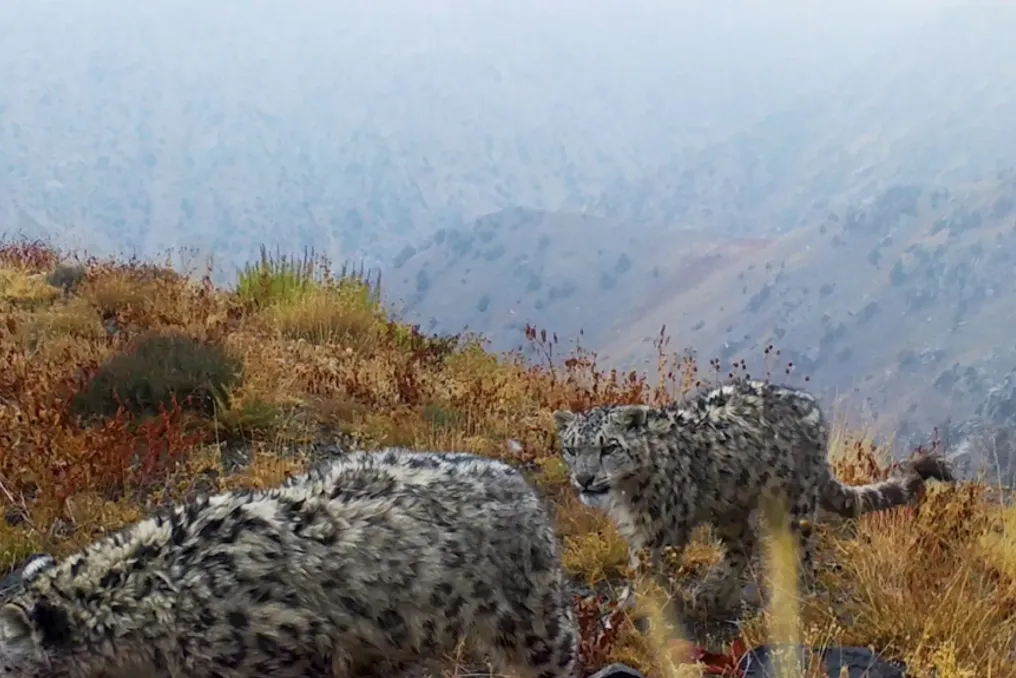
The National Committee for Ecology and Climate Change reported that a snow leopard was captured by a camera trap in the Khissar State Nature Reserve, located in the Kashkadarya region of Uzbekistan.

This reserve is managed by the committee's Department of Protected Natural Territories. Specialists estimate the population of snow leopards in the reserve to be approximately 80 individuals.

This predator is included in the Red Book of Uzbekistan, as well as the IUCN Red List. Furthermore, it is protected under the Convention on International Trade in Endangered Species of Wild Fauna and Flora (CITES) and the Convention on Biological Diversity.

Uzbekistan participates in the Global Snow Leopard and Ecosystem Protection Program (GSLEP), which unites 12 countries where this species inhabits.

In 2025, at the ninth meeting of the GSLEP Steering Committee in Cholpon-Ata, Kyrgyzstan, a decision was made to conserve the snow leopard and protect mountain ecosystems.

Additionally, the 'Samarkand Resolution' was adopted at the 14th Conference of the Parties to the Convention on the Conservation of Migratory Species of Wild Animals (CMS COP14) in Samarkand, aimed at strengthening international cooperation in this area.

Uzbekistan is also developing cooperation with international organizations, neighboring states, and research institutes. Its activities include the application of modern monitoring technologies and joint protection of transboundary mountain ecosystems.

According to specialists, there are about 2700–3400 snow leopards remaining in the wild worldwide. This species inhabits high-altitude and mid-altitude areas of mountains. It is predominantly active at dusk and night, sheltering in caves and among rocks during the day. Snow leopards undertake seasonal migrations and can live up to 21 years.

The Khissar State Nature Reserve was established in 1983. It includes four sectors where more than 270 species of invertebrates and vertebrates have been registered, about 20 of which are listed in the Red Book of Uzbekistan.

Similar stories

Camera trap in Gissar Reserve records snow leopard, rare predator of Central Asia
Read more
podrobno.uz

Camera trap in Gissar Reserve records snow leopard, rare predator of Central Asia

A photograph of a snow leopard was recorded again using a camera trap in the Gissar State Reserve. This predator species, often called the 'ghost of the mountains' due to its secretive lifestyle, is one of the rarest representatives of Central Asia.

The animal was discovered by a camera installed on the territory of the reserve, which is located in the Kashkadarya region. The snow leopard is classified as an endangered species and is included in the Red Book of Uzbekistan, as well as benefiting from international protection.

According to experts, the total global population of snow leopards is approximately between 2.7 and 3.4 thousand individuals. Furthermore, the Gissar Reserve plays an important role in conserving this predator in Uzbekistan, where there are about 80 individuals.

These animals inhabit complex mountain landscapes, preferring to hunt during dark hours—either at dusk or at night, while hiding in caves and among rocks during the day. The average lifespan of a snow leopard can reach twenty-one years.

Uzbekistan actively participates in global initiatives to protect the snow leopard and mountain ecosystems, and it also implements advanced methods for monitoring rare animals. It is worth noting that a previous incident occurred in China when a snow leopard attacked a skier who was trying to take a photo with it.

Conditions for keeping wild animals in the Kokand zoo raise public concerns
Read more
nuz.uz

Conditions for keeping wild animals in the Kokand zoo raise public concerns

Photographs from a private zoo located in Kokand, Fergana region, have appeared on social media. The individuals who posted these images drew attention to the conditions of keeping wild animals and demanded clarification on whether the facility complies with established standards.

According to the authors of the appeal, the animals are kept in cramped cages, which is causing serious concern. Furthermore, the zoo operates commercially and accepts visitors.

Currently, it is unknown whether this institution possesses the necessary permits or if relevant inspections have been conducted by supervisory bodies. Animal rights activists question the control mechanisms for such facilities, noting the constant appearance of reports about improper treatment of animals on social networks.

According to Article 43 of the Law of Uzbekistan 'On the Protection and Use of Wildlife,' keeping wild animals for demonstration and commercial purposes requires obtaining permission from an authorized body. Additionally, Cabinet of Ministers Decree No. 736 of November 5, 2024, defines restrictions for keeping certain species of wild animals.

The publishers appealed to competent agencies, demanding an inspection of the animal keeping conditions at the Kokand zoo, as well as verification of all necessary permits and compliance with current legislation. No official data on the inspection results or comments from responsible structures regarding this incident have been received yet.

Previously, the publication NUZ.UZ reported on another incident that provoked a negative reaction from social media users. A Uzbek blogger tried to prank her husband by hiding a live hamster in a package of corn sticks. The man became frightened and abruptly threw the animal away. Animal rights activists expressed concern for the hamster's fate and called for an investigation into all circumstances of the incident, but no information was provided about the animal's condition after the incident.

Three dead leopards found in North Kashmir; poisoning suspected
Read more
timesofindia.indiatimes.com

Three dead leopards found in North Kashmir; poisoning suspected

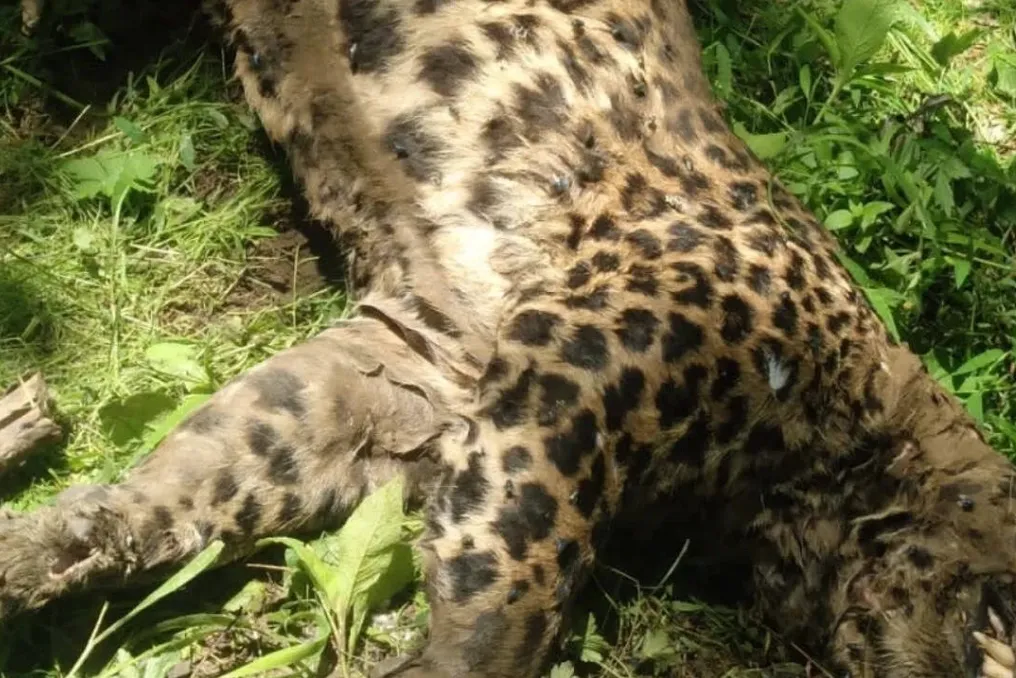
Three leopards, including two female cubs aged 8–9 months, were discovered in the forests of the Kunzar region in North Kashmir. The discovery led the Jammu and Kashmir Wildlife Department to file a criminal complaint against unknown individuals on Thursday after autopsy results raised suspicions of poisoning.

Wildlife department employee Shahid Sultan reported that the cubs were found dead on November 17, and there were no visible signs of injury on their bodies. Their bodies were kept in the department's control room in Tangmarg overnight because a veterinarian was unavailable. Autopsies were conducted the following day.

On Wednesday, the police notified the department about another dead leopard—a male aged 8–9 years. Sultan noted that all three animals were found in the same area, although not simultaneously.

He stated, 'The doctors' reports mention a suspected case of poisoning,' adding that a hypothesis of infectious poisoning was also put forward. It is assumed that the animals might have eaten contaminated meat, possibly from a rabid dog. Samples were collected for forensic examination to determine the cause of death. 'We have not encountered such a suspected poisoning case before,' he added.'

Leopard sightings are common, especially in North Kashmir, where the mountainous landscape and expanding apple orchards provide suitable habitat. It should be noted that on November 10, a six-year-old boy, Kifayat Bat, was killed by a leopard in Keri.

Popular