The historical port of Kong, located in Hormozgan province, is preparing to become a venue for a series of cultural, artistic, and social events. These events are intended to commemorate the port's maritime heritage, showcase its tourism potential, and preserve the region's long-standing cultural identity.
According to Salim Mohammadi, an official representative of provincial tourism, the five-day Culture and Tourism Week and the National Day of the Historical Port of Kong will take place from November 30 to December 4. The program will include diverse events representing the port's traditional customs, maritime knowledge, and rich local cultural heritage.
Mohammadi emphasized that this event will provide an opportunity to present the region's seafaring traditions and the cultural assets of its residents. He characterized Kong as a prime example of maritime culture, maritime trade, and architecture adapted to the climate of southern Iran, noting that preserving traditional customs and caring for the historical buildings underscore the importance of protecting the port's heritage.
In Mohammadi's opinion, the events are planned to tell the story of the region, honor the legacy of past generations, and strengthen the younger generation's connection to Kong's historical and cultural identity. Organizers also aim to use this occasion to promote sustainable tourism and introduce the general public to the attractions of Hormozgan.
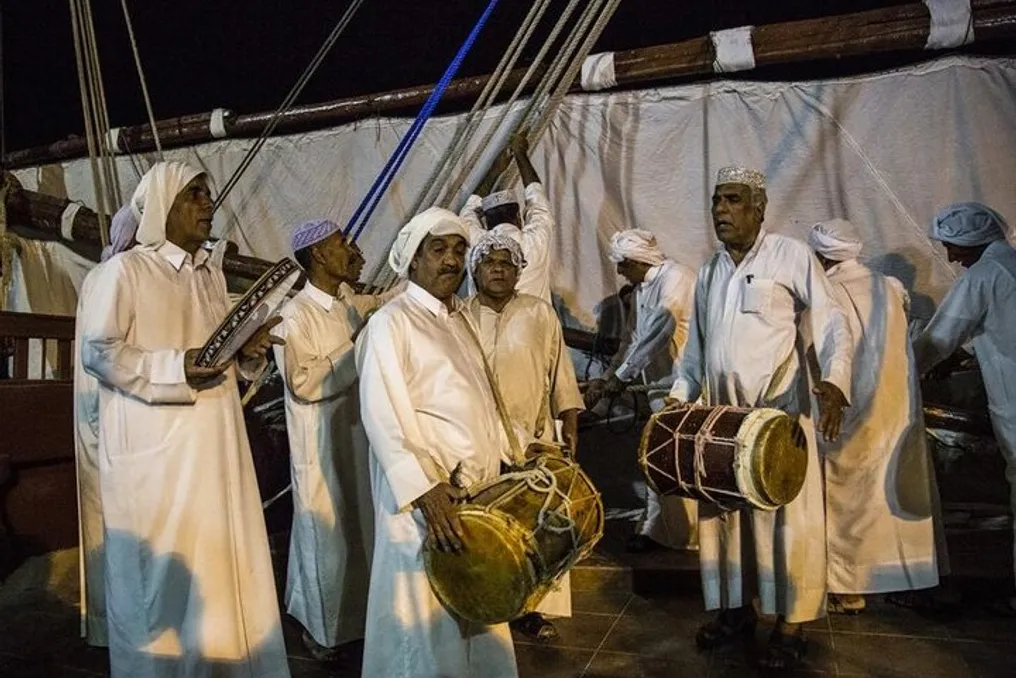
The five-day program is scheduled to include handicraft exhibitions, performances with traditional rituals and local music, specialized sessions on architecture and urban planning, as well as educational seminars dedicated to the preservation of cultural heritage.
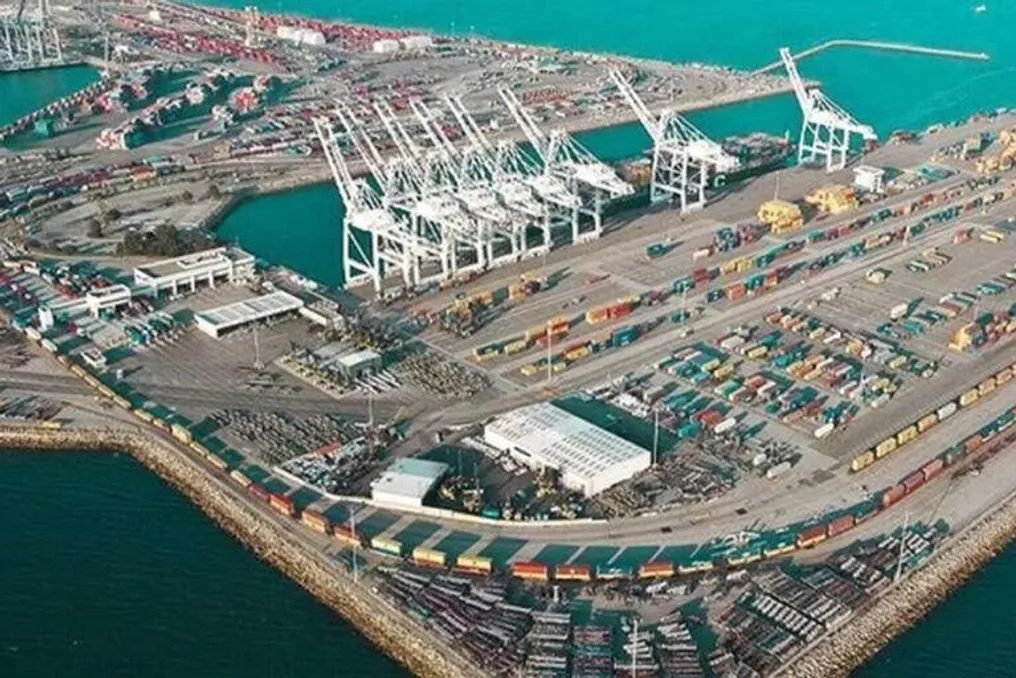
Located on the northern coast of the Persian Gulf in Hormozgan province, the historical port of Kong has long served as an important center for maritime trade, fishing, and traditional shipbuilding. Its cultural landscape reflects centuries of interaction between Iran and other parts of the Persian Gulf, East Africa, and South Asia. The city is known for its unique historical architecture, traditional houses, narrow shaded alleys, wind towers (badgir), and underground water storage facilities, which demonstrate the adaptation of local architecture to the region's hot and dry climate.
Kong is also associated with the traditional skills of building and sailing 'lanch' boats—wooden vessels historically used for trade, fishing, and long sea voyages. These skills, along with the knowledge, customs, music, and rituals related to navigation, were inscribed on the UNESCO List of Intangible Cultural Heritage in Need of Urgent Safeguarding in 2011. The cultural landscape of the historical port of Kong is also included in the UNESCO World Heritage Tentative List.
Hormozgan, situated on the shores of the Persian Gulf and the Arabian Sea, is famous for its picturesque coasts, natural and historical attractions, and bustling commercial centers, which always attract tourists to the southern province. Historical documents indicate that the settlement in this region dates back to the Achaemenid era. This province has always been significant due to its access to the Persian Gulf.
The name Hormozgan derives from the Strait of Hormuz. Due to the importance of this strait to the country, the coastal province, ports, islands of the Persian Gulf, and the Arabian Sea have been renamed Hormozgan since 1976. Hormozgan borders Kermanshah to the north and northeast, Fars and Bushehr to the west and northwest, and adjoins Sistan and Baluchestan to the east.