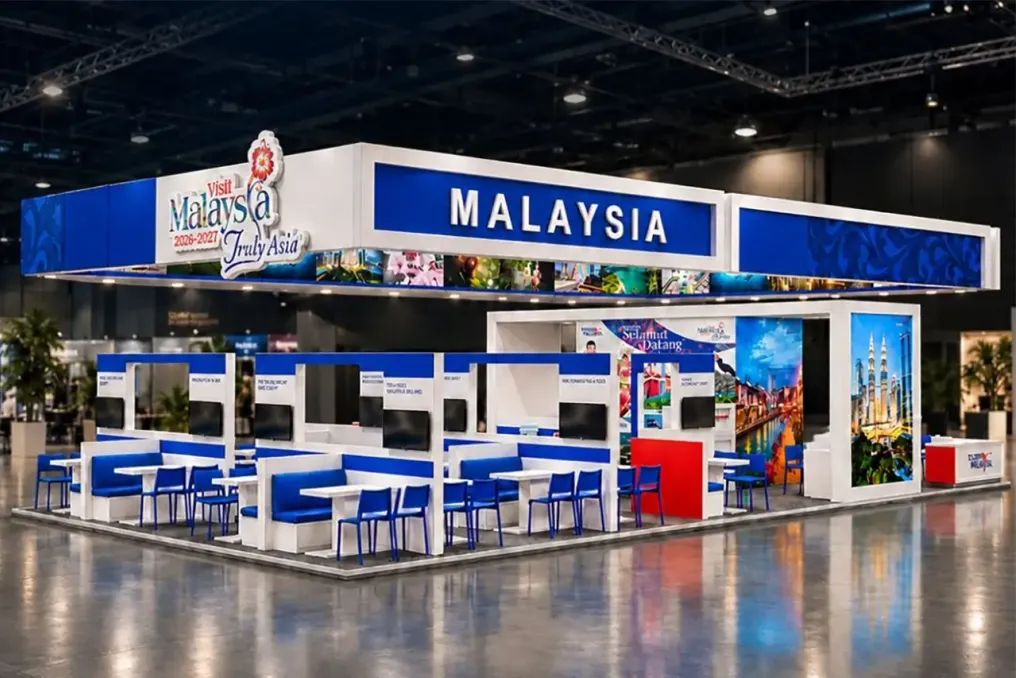
At the 31st Tashkent International Tourism Fair 'Tourism on the Silk Road – TITF 2026', Malaysia made its largest participation since beginning its involvement. Together with eighteen tourism companies and related organizations, Tourism Malaysia presented in CAEx Uzbekistan a program combining business meetings with demonstrations of dance, music, culinary arts, and crafts.
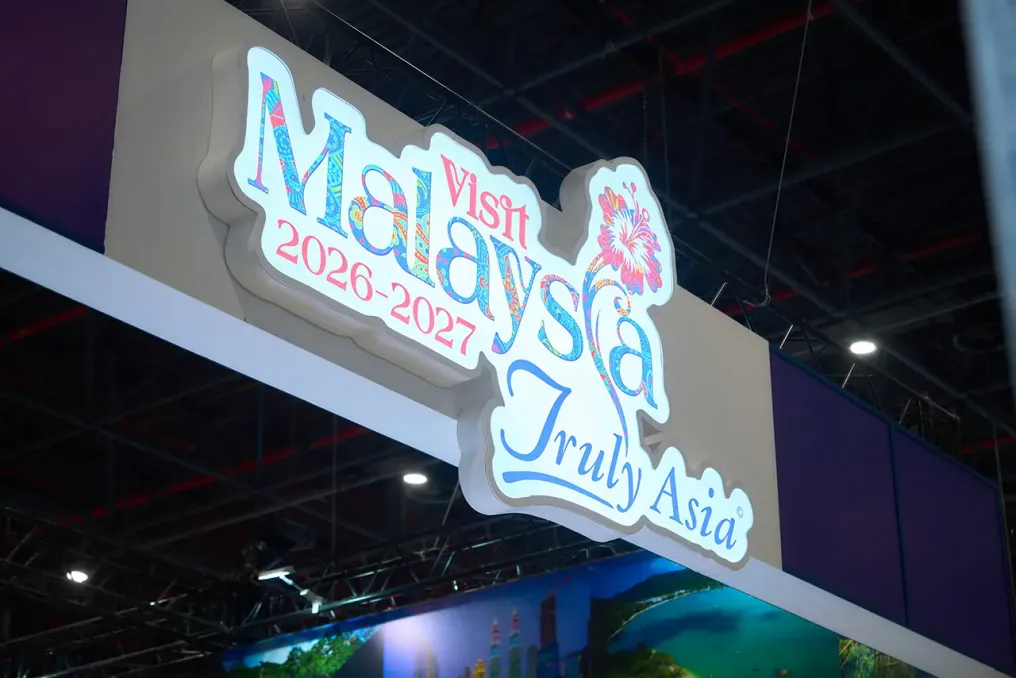
Malaysia is participating as part of the national campaign 'Visit Malaysia 2026–2027', which highlights the country's rich cultural heritage and diverse experiences, emphasizing sustainable tourism and personal immersion in local culture. At its booth, the country demonstrates a combination of tropical nature, modern metropolises, and island resorts.
Lee Tai Hoon, Deputy General Director of Tourism Malaysia for Promotion, noted that while recent tourist flow data is encouraging, the company's goals are not limited to increasing visitor numbers. 'We aim to develop long-term cooperation with Uzbekistan's tourism industry and make Malaysia a country people want to return to.'
Cultural Dialogue Between the Two Countries
Participation in the fair is part of broader cooperation. According to a statement by Dato Mohd Yusri bin Mohd Yusuffa, Deputy Secretary-General (Culture) of the Ministry of Tourism, Arts and Culture of Malaysia (MOTAC), Malaysia and Uzbekistan signed a memorandum of cooperation in the field of culture in January 2025. This year, Uzbekistan was chosen to host the Malaysia Cultural Week 2026, which will take place from November 27 to 29 at Tashkent City Mall, with free entry.
Dato Mohd Yusri emphasized that they presented numerous opportunities, showcasing their culture, heritage, and gastronomy so that more people would learn about Malaysia. He added that since Malaysia is a very diverse multi-racial country, there is much for them to learn from each other.
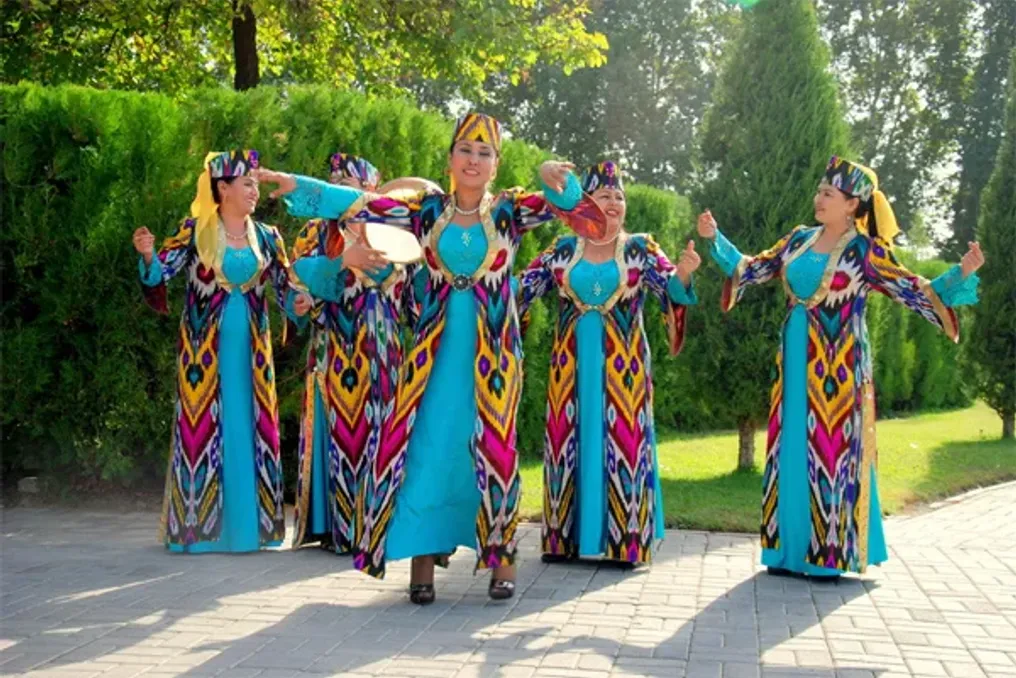
Visitors can experience Malaysia not through brochures, but through practical experience. The program includes performances with dance and music, as well as demonstrations of culinary items and crafts. Guests can participate in a batik painting workshop and watch a show on preparing Teh Tarik, Malaysia's famous 'pulled' tea, followed by a tasting.
More Than Beaches: Malacca, Penang, and Langkawi
Malaysia offers a wide range of travel options: from relaxing on tropical islands and in resorts with developed infrastructure to gastronomic, wellness, and educational programs. Special attention is given to the island of Langkawi, known for its beaches, ancient tropical forests, and UNESCO Global Geopark status. The island is represented at the fair by the Langkawi Development Authority (LADA).
The capital is represented by The RuMa Hotel KLCC, located near the Petronas Towers, as well as Sunway Putra Hotel Kuala Lumpur. Redang Island is represented by Taaras Beach & Spa Resort. Lee Tai Hoon noted that the country wants to show Uzbek travelers something more than just familiar beaches. 'We want people from Uzbekistan to see a different Malaysia, not just Langkawi. We have many UNESCO World Heritage sites, including Malacca and Penang.'
He also mentioned that the country's diversity is reflected in the heritage of its various peoples—Malays, Chinese, and Indians, which aligns with the tourism slogan 'Malaysia Truly Asia.'
Comfort for the Uzbek Tourist
Lee Tai Hoon listed several reasons why traveling to Malaysia should be easy for Uzbek citizens. He reported that they benefit from a visa-free entry regime. Furthermore, he stressed that the country is Muslim-friendly, and halal food is available everywhere.
According to Lee Tai Hoon, one can feel safe in Malaysia: no visa is required, and the country's culture and gastronomy fully accommodate the needs of Muslims, which is a great convenience for residents of Uzbekistan.
Uzbekistan: A Growing Market
Interest in Malaysia in the region is growing. From January to September 2026, 22,529 travelers arrived in the country from Uzbekistan, an increase of 64.1% compared to the same period last year. The total number of arrivals from five Central Asian countries reached 77,137, exceeding the figure for the first nine months of 2025 by 21.7%.
Air connectivity is also increasing. Lee Tai Hoon reported that the frequency of flights between the two countries has increased from five to seven per week. Currently, Tashkent and Kuala Lumpur are connected by Batik Air and Uzbekistan Airways. The next step will be a direct flight Tashkent–Langkawi, starting on December 6.
He emphasized that a certain growth in tourists is expected, as direct connections are crucial for exchange between people and for the tourism industry of both countries.
Education as a Tourism Destination
Malaysia offers more than just relaxation. Tourism companies Embassy Alliance Travel and Overseas Living (MM2H) offer options for organizing business trips, educational and wellness tourism, as well as 'Malaysia My Second Home' programs. The education segment is represented by Education Malaysia Global Services and Malaysian universities.
Among them are Universiti Tun Hussein Onn Malaysia (UTHM) and the private Asia Pacific University of Technology & Innovation (APU). Lee Tai Hoon explained that since people in Uzbekistan like to study in Southeast Asia, and especially in Malaysia, their state and private universities are presenting their educational systems here.
What's Next: Flights, Seminars, Familiarization Tours
To promote Malaysia in the Uzbek market, Tourism Malaysia, through its Central Asia office, plans to work with airlines and travel agencies. According to Lee Tai Hoon, negotiations are underway with Uzbekistan Airways, and the possibility of direct flights with Centrum Air is being studied.
Seminars to raise awareness, participation in exhibitions, and familiarization trips to Malaysia for Uzbek travel agencies are planned. Lee Tai Hoon stated that all of this is in the implementation stage.
Lee Tai Hoon particularly highlighted the importance of bilateral exchange for Malaysia. 'Tourism is mutual communication between two countries. We would be delighted if Uzbekistan came to us with presentations of its culture and tourist attractions. Only with two-way movement can airlines operate in the long term.'
In this regard, Tourism Malaysia is organizing a gala dinner with partners and guests of honor, meetings with airlines and tour operators, as well as a separate B2B session on November 27. The goal of the event is to develop new tourism products that meet the needs of travelers in the region.
Malaysia also expects reciprocal steps in the cultural sphere. Dato Mohd Yusri expressed hope that Uzbekistan will hold a similar event in Malaysia in 2027, and that such events will continue to benefit both sides.
Tourism Malaysia (Malaysia Tourism Promotion Board) is an agency under the Ministry of Tourism, Arts and Culture of Malaysia (MOTAC). The Visit Malaysia 2026–2027 campaign is implemented in line with the UN Sustainable Development Goals and aims for inclusive growth and the creation of long-term opportunities for local communities and tourism industry participants.