Uzbekistan Deputies Point to DMED Issues Causing Queues in Polyclinics
Read more
Nuz.uz
nuz.uz

Uzbekistan Deputies Point to DMED Issues Causing Queues in Polyclinics

Disruptions in the functioning of the DMED medical system are being observed in Uzbekistan, leading to queues in several medical institutions. Furthermore, state clinics are not utilizing the full potential of this system. These issues were raised by deputies during discussions on healthcare digitalization in the Legislative Chamber of the Oliy Majlis, according to UzA.

The Minister of Health, E. Adilov, presented the parliament members with a report on the results of digital technology implementation and outlined future plans.

DMED Covers Thousands of Clinics, But Problems Remain

Currently, digital medical services provide coverage for over 4,000 state medical institutions, approximately 6,000 private clinics, and more than 11,000 pharmacies. The system also covers over 38 million citizens. Nevertheless, deputies emphasized existing shortcomings in the system's operation.

It was noted that state medical institutions are not yet using all the capabilities of DMED. Additionally, the Ministry of Health's digital platforms are insufficiently integrated with the information systems of private clinics. The situation is exacerbated by failures in individual institutions, which trigger the formation of queues, as well as the persistent excess of paper documentation, complicating the work of medical personnel.

How Much Time Does DMED Save Doctors?

According to the minister's data, the introduction of DMED has reduced the time required to fill out a patient's medical record from an initial 15–20 minutes to 4–5 minutes. This allows doctors to dedicate more attention to examinations and consultations.

Between 2025 and 2026, specialists implemented 491 initiatives aimed at improving the system. In addition, the results of over 44 million laboratory tests have been digitized, and over 148 thousand electronic referrals for beneficiaries have been issued.

What Is Planned to Change?

The Ministry of Health plans to expand the use of electronic prescriptions and launch a unified digital platform for the entire healthcare system. Other priorities include ensuring data backup and strengthening the protection of patients' personal information.

At the conclusion of the discussion, the deputies took note of the information presented by the minister, and the parliament will maintain oversight functions over the digitalization process in the medical sector.

Similar stories

EUROUZ 2026 Forum to Discuss Transformation of Uzbekistan's Healthcare System
Read more
nuz.uz

EUROUZ 2026 Forum to Discuss Transformation of Uzbekistan's Healthcare System

The forum topic 'Transformation of Uzbekistan's Healthcare: Sustainable Access, Modern Regulation, and Safety' gathered representatives from various sectors: state bodies, medical centers, insurance and digital institutions, participants in the pharmaceutical industry, and medical device manufacturers.

Specialists and regulators focused primarily on issues of insurance and reimbursement (the mechanism for compensating costs for medicines or services by the state or insurance organizations), the development of modern oncological care, support for children with rare and hereditary diseases, as well as the registration, pricing, quality control, and digitalization of medicines and medical devices.

Issues of drug supply and the reimbursement program are priorities, as they directly concern the health and lives of both specialists and ordinary citizens, who view changes in the healthcare sector with some apprehension.

It was noted that the medical insurance system in Uzbekistan is structured differently than many fear; effectively, the entire population is covered by state medical insurance, and financing is carried out through a special fund that covers expenses from primary care to high-tech procedures.

Access to complex and expensive treatment in Uzbekistan is assessed as very high compared to countries in Central Asia. State funds through the medical insurance fund cover a wide range of assistance, including treatment of common ailments in multidisciplinary hospitals, as well as complex surgeries such as stenting, joint replacement, transplants, and hemodialysis. A key condition for the functioning of the system is the attachment of every person to the primary level—a family polyclinic, to which about 90% of citizens are currently attached.

After a doctor prescribes an electronic prescription or referral, the further process of providing medical care begins, taking into account patient routing. Previously, there was a rigid territorial division that created difficulties in receiving services if a person lived in one region but worked in another. One of the fund's goals is to eliminate these geographical restrictions, allowing a person to receive care where they are, for example, in Tashkent if they arrived from Samarkand. However, this requires official attachment to a local family doctor and confirmation of place of residence.

Regarding medicines, it was noted that analgin itself is not included in the list of drugs financed by the fund, but the reimbursement program includes many in-demand medications for lowering blood pressure, thinning blood, controlling bronchial asthma attacks, and other conditions. Within this program, 28 free medicines are available, the main recipients of which are the elderly. These drugs are issued via an electronic prescription, but only if there are medical indications established by a doctor.

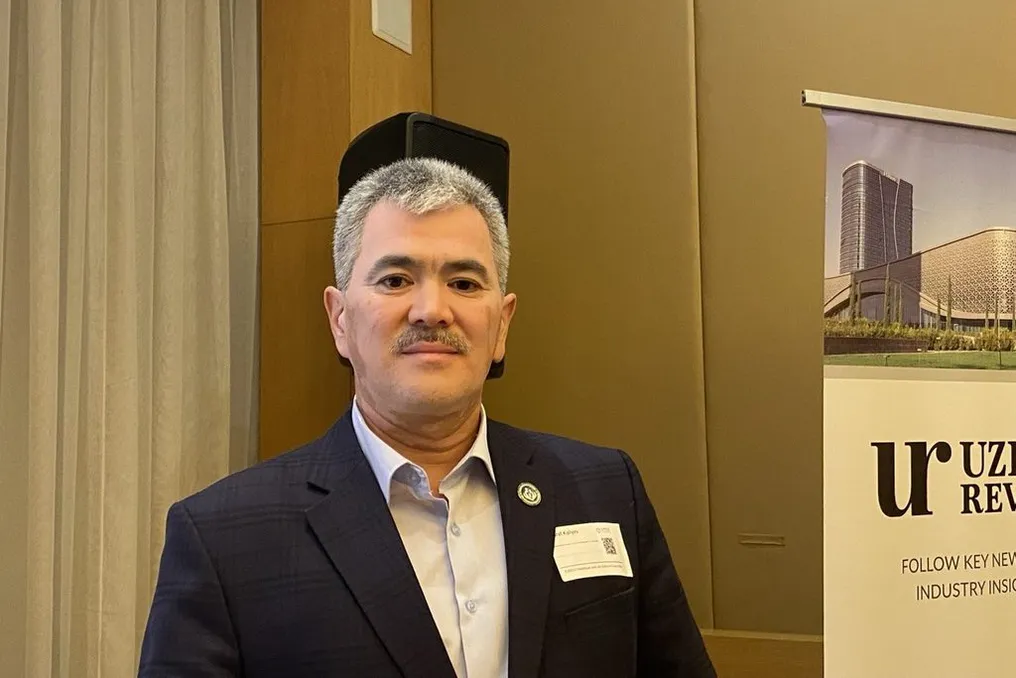
Marat Kaliev, chief specialist of the Methodology and Training Department of the State Medical Insurance Fund, emphasized that for residents, the transition to the new model must be as natural as possible, and the main task of the system is to ensure the complete resolution of the patient's health problem from the moment symptoms appear.

Currently, the reimbursement program includes 28 medicinal products, and the addition of another drug is planned for January 2027. Medicines for beneficiaries and patients with rare diseases are provided according to special lists approved by the Ministry of Health from the budget or other sources. Experts plan to study new medications, taking into account criteria of safety, real effectiveness, and economic feasibility.

A significant part of the meeting was dedicated to the methodology for evaluating medical services and medicines. Discussions covered how to form and update lists of subsidized and free drugs using unified criteria: effectiveness, justification of price, financial feasibility for the state, and population need. Participants identified key directions that take into account clinical guidelines and standards: training qualified personnel, utilizing international experience, and creating a legal and institutional framework and conducting public discussions of projects.

Experts stressed that a full evaluation of medical technologies requires both trained specialists and clear legislative acts, which demands more transparent rules of interaction from pharmaceutical companies and patients. It was emphasized that the development of new laws must undergo a stage of public discussion at early stages.

The forum was held with the support of the EUROUZ Committee for Health and Life Sciences in partnership with AstraZeneca.

Electronic medical policies are being introduced and the list of free medicines is being expanded in Uzbekistan
Read more
podrobno.uz

Electronic medical policies are being introduced and the list of free medicines is being expanded in Uzbekistan

A comprehensive plan for reforming the healthcare system in Uzbekistan has been approved, covering the period from 2027 to 2031. These changes will affect the procedure for providing medical care, the medical insurance system, and the provision of medicines to citizens.

According to the reform program, by 2031, the state medical insurance system should cover all households in the country. Between 2027 and 2030, citizens will be able to access electronic policies through personal accounts on the my.gov.uz portal. Through these policies, they can check their insurance status and find information about free medical services and medicines; additional information will be provided via SMS notifications.

There are also plans to expand the free drug supply program: the number of included medications will increase from 28 to 69 items. Patients will be able to receive medicines from the established package at pharmacies using electronic prescriptions, with expenses covered by the state Health Insurance Fund.

In parallel, authorities intend to increase state spending on healthcare: from 3.2% of GDP in 2027 to 5% by 2031. Significant attention will be paid to disease prevention, and a personalized schedule of medical examinations will be developed for every resident, taking into account their gender, age, and existing risk factors.

Furthermore, by the end of 2026, the Ministry of Health and the National Agency for Social Protection must submit proposals regarding the compensation of transport costs for patients who regularly undergo hemodialysis. Plans were previously announced to transition another hundred districts of Uzbekistan to an updated primary healthcare model.

European Medical Center in Moscow Offers Services for Patients from Uzbekistan
Read more
podrobno.uz

European Medical Center in Moscow Offers Services for Patients from Uzbekistan

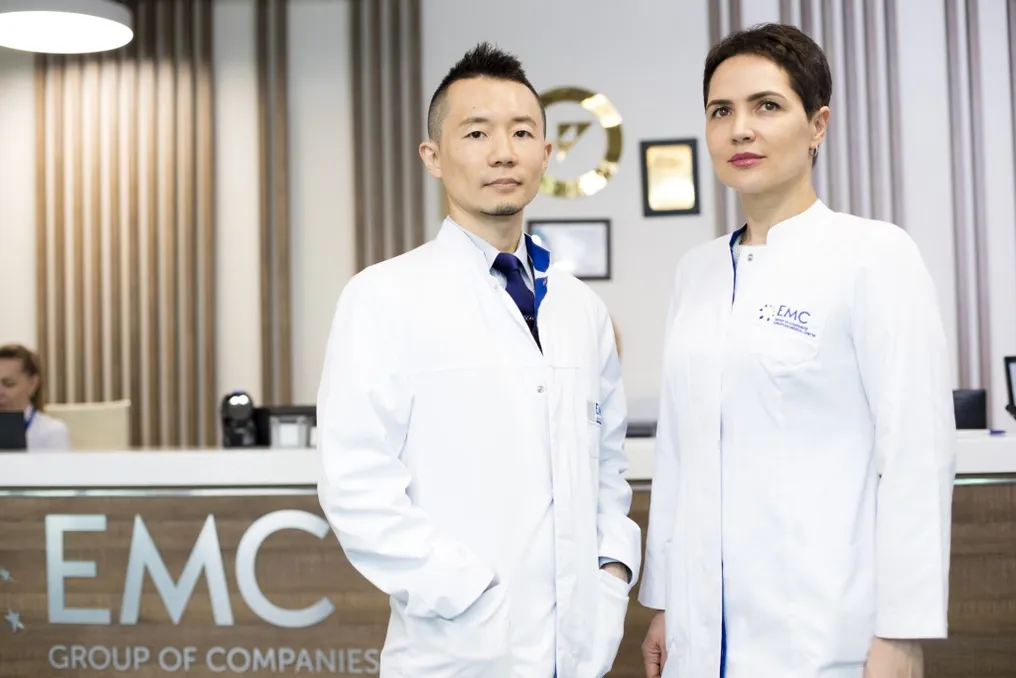
Amidst the rapid modernization of Uzbekistan, there is a growing demand for high-tech medical care and adherence to international safety standards. Many residents of Uzbekistan are now choosing Moscow for expert medical solutions, instead of traditional destinations like Turkey or India. The European Medical Center (EMC) is leading this trend—a multidisciplinary hospital with a thirty-six-year history, certified by the 'gold standard' of quality, JCI (Joint Commission International).

For patients from Tashkent, Samarkand, and other regions of the republic, Moscow represents not only a geographically close center but also access to modern diagnostic and treatment methods, as well as the absence of language and cultural barriers. EMC CEO Andrey Yanovsky emphasizes that the center's mission is to create a seamless patient journey, utilizing a digital ecosystem to transcend national borders. The process for a patient from Uzbekistan begins not with buying tickets, but with an online consultation, allowing them to receive an expert 'Second Opinion' within 24–48 hours.

The most sought-after services at EMC for citizens of Uzbekistan include complex fields such as oncology, cardiology, and neurosurgery. The center is equipped with advanced technology for modern diagnostic and therapeutic procedures. Among these is the Da Vinci Xi robot-assisted surgery, used in urology and gynecology, which allows patients to recover as early as the next day.

Radio-surgery and Varian Edge radiation therapy technologies are also employed, ensuring tumor destruction with submillimeter precision without damaging healthy tissues. Diagnostics are performed using nuclear medicine (PET/CT) to detect and assess the spread of diseases, including oncological ones, as well as to monitor treatment effectiveness.

EMC emphasizes a multidisciplinary approach: every complex case is reviewed by a consortium that includes specialists from various countries, including surgeons, radiologists, chemotherapists, and pathologists from France, the USA, and Israel. This comprehensive approach helps formulate an individualized treatment plan for the patient.

A popular service for the region is remote diagnosis auditing. Patients can send examination results, such as MRI/CT scans or histological slides, to EMC specialists for expert review. This allows for either confirming the initial diagnosis or correcting it, and sometimes finding a organ-preserving treatment option instead of radical surgery.

Medical tourism at EMC includes not only treatment but also full support for the patient and their family throughout the entire trip. The specialized EMC Assistance division handles all organizational matters for patients from Uzbekistan. This includes arranging medical invitations and visa support, airport pickup, and VIP class transfer.

Furthermore, accommodation in a five-star hotel setting is provided, taking into account religious and dietary needs, including the availability of Halal menus. Patients have access to a personal multilingual coordinator who provides round-the-clock support.

From an economic perspective, the cost of high-tech treatment in Moscow is lower than in Western European clinics, while the level of technical equipment at EMC often surpasses many European institutions. Andrey Yanovsky notes the center's transition from a disease treatment model to a longevity management concept, striving to provide the patient not just recovery, but many years of active life.

Thus, for the residents of Uzbekistan, the European Medical Center serves as a reliable partner, combining the highest medical achievements, lack of barriers, and attentive care.

Popular