Ministry of Health and WHO plan 'health diplomacy' event
Read more
Tehran Times
www.tehrantimes.com

Ministry of Health and WHO plan 'health diplomacy' event

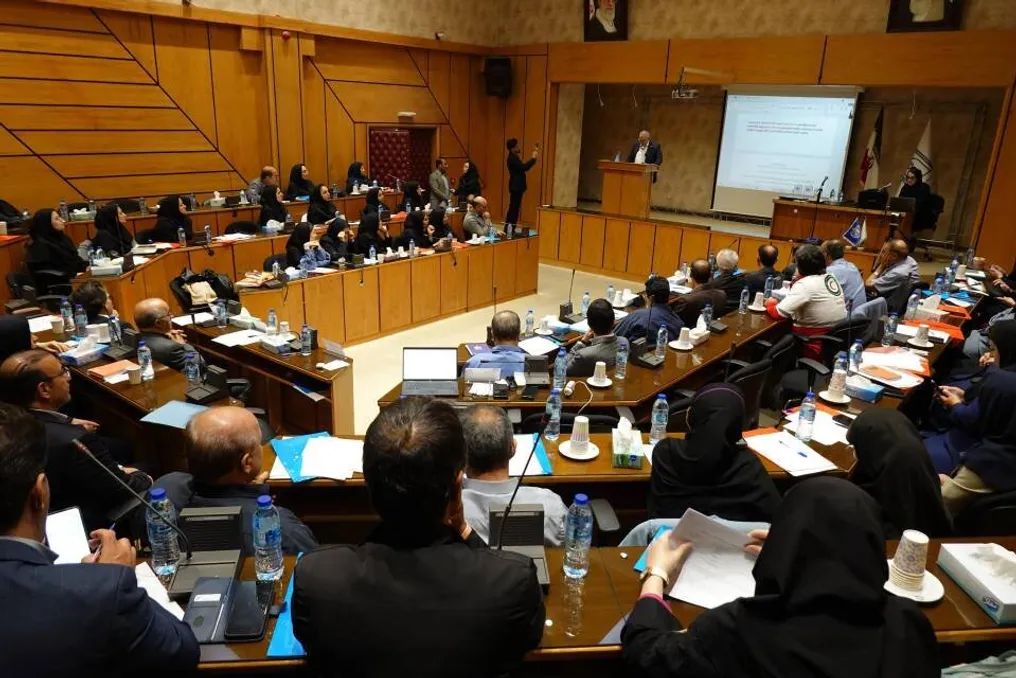
A representative of the World Health Organization (WHO) in Iran reported that the Ministry of Health and WHO are jointly preparing an event to be named 'a bridge for development, peace, and healthier communities.'

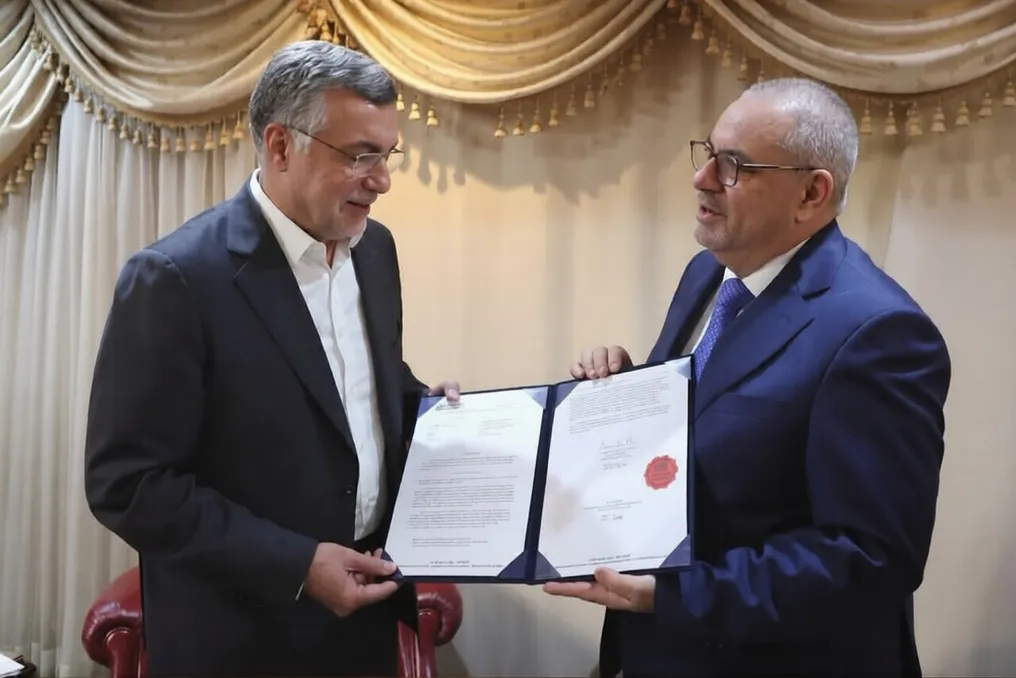
According to Jean Jabour, this initiative, utilizing the potential of diplomacy, can serve as a link to achieving development, peace, and improving public health. These statements were made during a meeting with Health Minister Mohammad-Reza Zaferkandi on Monday.

During this meeting, Jabour confirmed the organization's full support for the Ministry of Health in ensuring the availability of medicines, vaccines, and other vital medical supplies for all segments of the population, even in difficult times. He noted that the WHO's approach to cooperation with member states is based on a bottom-up prioritization process, meaning national priorities are established first and then reflected in local programs, country support initiatives, regional, and global operational plans.

Highlighting the close interaction between Iran and WHO, Jabour stated that medical education within the Iranian Ministry of Health plays a key role in strengthening the country's healthcare system, as it enhances the medical personnel and services relied upon by people. He also emphasized the importance of Iran's presence in regional and international organizations and forums, stating: 'Iran plays an important role in the medical field through the exchange of its experience, and we, for our part, will strive to provide the country with the necessary support for further development and maintaining the provision of medical services to the population even in complex and difficult circumstances.'

Describing the organization's approach to the link between health and peace, he specified that the WHO motto is 'Health for Peace.' Accordingly, 'we strive to use all available tools and opportunities to help people around the world lead healthier lives.'

Referring to the organization's initiatives in global health security, Jabour stressed that WHO aims to guarantee everyone the right to a healthy life while supporting well-being and health promotion programs. He added: 'Within our mandates for development and humanitarian assistance, we work with governments so that everyone can receive medical care, medicines, and vaccines.'

In May, in response to growing crises affecting public health infrastructure in Iran, WHO, in collaboration with the Ministry of Health, launched a two-million-dollar project to support emergency measures in the country. This project, funded by the United Nations Central Emergency Response Fund (CERF) and titled 'Preventing disease spread and maintaining essential health services during emergencies,' aims to minimize disease outbreaks, stabilize the provision of medical services, and protect the healthcare system from declining indicators across the country, according to the ministry of health website report.

Since the US-Israel war against Iran was declared on February 28, airstrikes have led to a reduction in the country's ability to provide vital medical services. Aggressors have destroyed 229 medical centers, 49 hospitals, 78 pharmaceutical facilities, laboratories, and warehouses. Additionally, 56 emergency bases were attacked, nine hospitals were evacuated, and 47 ambulances and 10 emergency vehicles were seriously damaged.

Attacks on pharmaceutical and diagnostic equipment production facilities and adjacent areas have disrupted the internal supply chain of medical equipment and complicated the process of providing critical care to those in need. Climate shocks in the country's southern provinces have exacerbated the situation. Irregular, above-average rainfall following long periods of drought in 2025–2026 has led to localized flooding and stagnant water accumulation.

High-risk provinces, including Sistan and Baluchestan, Hormozgan, Kermanshah, and Khuzestan, are at greater risk of contact with contaminated water sources. This situation, combined with conflicts in water supply and sanitation infrastructure, as well as disease surveillance, increases the risk of infectious and waterborne diseases outbreaks, especially cholera and acute watery diarrhea.

According to Jabour, 'ongoing conflicts and severe climate shocks have placed an unprecedented burden on Iran's healthcare system, exposing vulnerable communities to serious dangers. The allocated emergency funds will play a crucial role in managing health system challenges. They allow us to take immediate action to protect critical supply chains and ensure that vital care is available to those most affected by the crises. Without urgent action, local disease transmission can quickly lead to widespread outbreaks and increase the number of cases and deaths from preventable diseases.'

To accelerate immediate actions, WHO is implementing a series of high-impact measures. The strategy prioritizes strengthening surveillance and early warning systems, as well as deploying necessary equipment for disease outbreak response, including rapid tests for malaria, dengue fever, and cholera, noted the organization's representative. The activity also includes the distribution of mosquito nets, repellents, liovacids, as well as rapid technical assistance to strengthen integrated vector management in high-risk provinces. Over the next six months, the WHO project will directly reach approximately 112,500 people through expanded epidemiological management and restored access to medical services. Approximately 272,550 people will be indirectly protected through strengthened rapid response capabilities and reduced risks of disease outbreaks. Ultimately, the goal of these comprehensive efforts is to control outbreaks of preventable diseases and maintain essential medical services when they are needed most.
Similar stories

Ministry of Health and WHO Mark World Burn Week 2026
Read more
www.tehrantimes.com

Ministry of Health and WHO Mark World Burn Week 2026

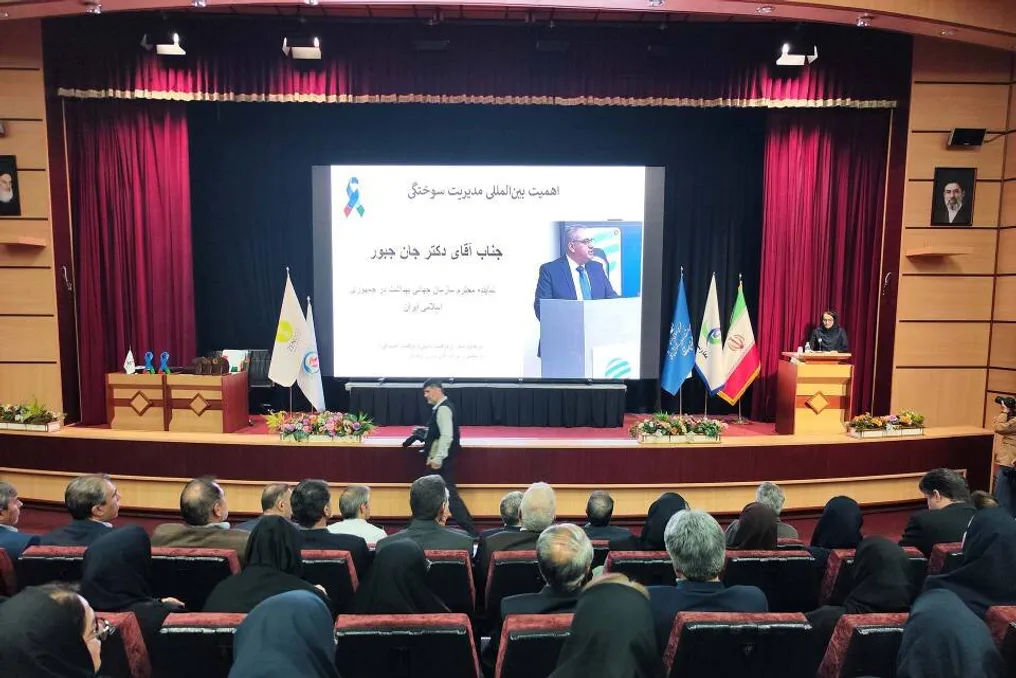
The Ministry of Health and Medical Education, in collaboration with the World Health Organization (WHO), marked World Burn Week 2026. The event was held under the motto 'Chain of Hope: From Clinical Care to Social Support.'

Burn Week took place from November 2 to 8, and its theme was 'Prosperity Through Community Care.' The focus in 2026 was placed not just on survival after a burn, but on prosperity, as well as on the key role of many people in supporting this process at all stages of recovery.

The national event took place on November 2. It gathered high-ranking officials in the health sector, experts, and WHO staff to emphasize the need for coordinated action to prevent burn injuries, as well as to strengthen the care, rehabilitation, and social support for burn victims, as announced on the WHO website in a press release dated November 22.

Event Opening

The event was opened by the Minister of Health and Medical Education Mohammad-Reza Zafarkandi, Deputy Minister of Medical Affairs Sajad Razavi, Deputy Minister of Nursing Abbas Ebadi, and the WHO representative in the Islamic Republic of Iran, Jean Jabbour.

Mashineh Haddadi, Advisor on National Health Policy, and Afshin Ostovar, Head of the Non-Communicable Diseases Group at the WHO Country Office, were present. Haddadi spoke on behalf of the WHO representative, emphasizing the importance of coordinated measures to enhance burn prevention and comprehensive care, as well as to promote universal health coverage and protection against financial risks, ensuring equal access to quality burn treatment.

Sharing the personal story of a burn survivor drew attention to the human impact of injuries, highlighting the importance of continuous support throughout the entire recovery and rehabilitation process. Furthermore, the event recognized individuals and stakeholders who contributed to the development of burn treatment by presenting them with letters of appreciation and commemorative logos.

In a sign of solidarity and gratitude, specially designed scarves dedicated to World Burn Week 2026 were presented to the Minister and deputy ministers.

Scale of Burn Problem

Every day, more than 30,000 people suffer from burns requiring medical attention, and approximately 11 million new cases are recorded annually. Moreover, 70 percent of all burns occur in low- and middle-income countries. Estimates suggest that 180,000 people die from burn injuries each year, with the vast majority of these deaths occurring where access to resources is limited.

Severe burns extend beyond visible damage, as they can trigger an inflammatory reaction affecting the entire body. Comprehensive burn care includes coordinated multidisciplinary services such as wound treatment, nutrition, surgery, rehabilitation, and psychological support.

Burn treatment is a complex process that requires the use of various types of topical medications and dressings, as well as high-level decision-making by healthcare professionals. Although most burn patients survive, many face ongoing issues related to pain, deformity, and varying degrees of disability.

According to WHO data, burns are a cause of one of the greatest burdens of morbidity. Burns cause long-term changes that affect physical and mental health, as well as reduce quality of life.

Goals of World Burn Week

World Burn Week serves as an international platform to raise awareness, promote greater cooperation, and work together towards achieving global equity in the burden and spectrum of burn injury treatment. This weekly global campaign is held in the first week of November with the aim of reducing global inequality in burn prevention, treatment, and survival.

The week was established through the joint efforts of 11 organizations from all over the world, and the first one took place in 2024. Since then, it has been supported by nearly 100 partner organizations involved in burn care, public health, advocacy, and survivor support.

Burns represent a serious global health problem, with millions of new cases annually and a disproportionately large burden in low- and middle-income countries. As an international platform, World Burn Week aims to raise awareness, stimulate cooperation, and work towards global equity in the burden and treatment of burns. By bringing together stakeholders, fostering understanding, and advocating for change, it seeks to make a tangible impact on the lives of people affected by burns worldwide.

The week envisions a world where burns are prevented, and access to timely and effective treatment is fair, inclusive, and lifelong, regardless of location, income, gender, age, or ability.

Its mission is to be a unified voice on the issue of burns as a global health crisis, advocating for equality in burn prevention, treatment, and survival, while promoting international cooperation.

EUROUZ 2026 Forum to Discuss Transformation of Uzbekistan's Healthcare System
Read more
nuz.uz

EUROUZ 2026 Forum to Discuss Transformation of Uzbekistan's Healthcare System

The forum topic 'Transformation of Uzbekistan's Healthcare: Sustainable Access, Modern Regulation, and Safety' gathered representatives from various sectors: state bodies, medical centers, insurance and digital institutions, participants in the pharmaceutical industry, and medical device manufacturers.

Specialists and regulators focused primarily on issues of insurance and reimbursement (the mechanism for compensating costs for medicines or services by the state or insurance organizations), the development of modern oncological care, support for children with rare and hereditary diseases, as well as the registration, pricing, quality control, and digitalization of medicines and medical devices.

Issues of drug supply and the reimbursement program are priorities, as they directly concern the health and lives of both specialists and ordinary citizens, who view changes in the healthcare sector with some apprehension.

It was noted that the medical insurance system in Uzbekistan is structured differently than many fear; effectively, the entire population is covered by state medical insurance, and financing is carried out through a special fund that covers expenses from primary care to high-tech procedures.

Access to complex and expensive treatment in Uzbekistan is assessed as very high compared to countries in Central Asia. State funds through the medical insurance fund cover a wide range of assistance, including treatment of common ailments in multidisciplinary hospitals, as well as complex surgeries such as stenting, joint replacement, transplants, and hemodialysis. A key condition for the functioning of the system is the attachment of every person to the primary level—a family polyclinic, to which about 90% of citizens are currently attached.

After a doctor prescribes an electronic prescription or referral, the further process of providing medical care begins, taking into account patient routing. Previously, there was a rigid territorial division that created difficulties in receiving services if a person lived in one region but worked in another. One of the fund's goals is to eliminate these geographical restrictions, allowing a person to receive care where they are, for example, in Tashkent if they arrived from Samarkand. However, this requires official attachment to a local family doctor and confirmation of place of residence.

Regarding medicines, it was noted that analgin itself is not included in the list of drugs financed by the fund, but the reimbursement program includes many in-demand medications for lowering blood pressure, thinning blood, controlling bronchial asthma attacks, and other conditions. Within this program, 28 free medicines are available, the main recipients of which are the elderly. These drugs are issued via an electronic prescription, but only if there are medical indications established by a doctor.

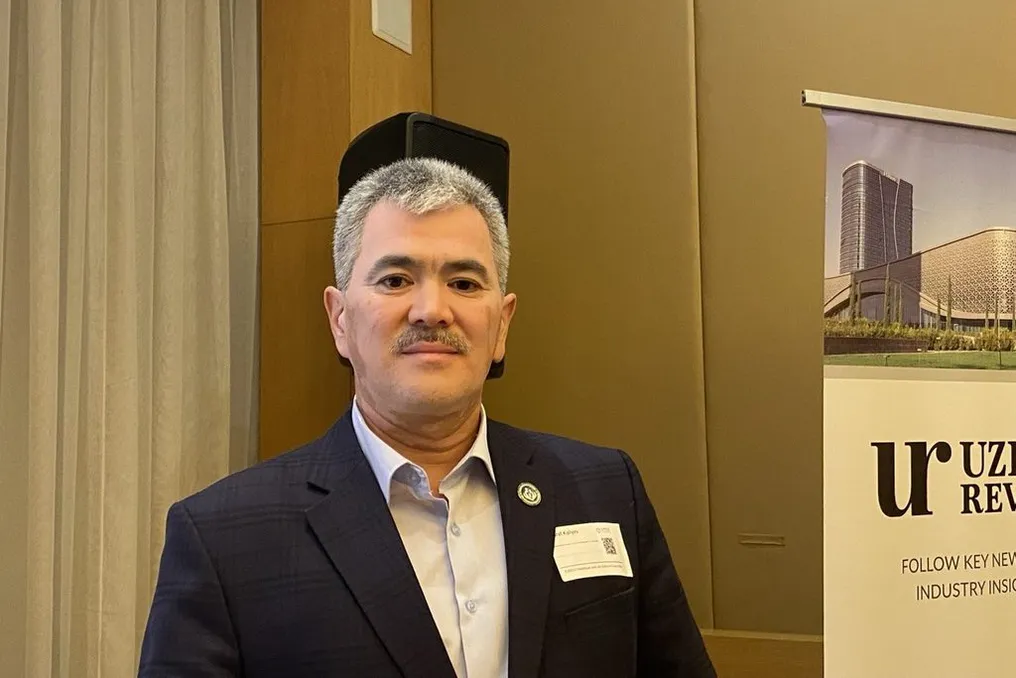
Marat Kaliev, chief specialist of the Methodology and Training Department of the State Medical Insurance Fund, emphasized that for residents, the transition to the new model must be as natural as possible, and the main task of the system is to ensure the complete resolution of the patient's health problem from the moment symptoms appear.

Currently, the reimbursement program includes 28 medicinal products, and the addition of another drug is planned for January 2027. Medicines for beneficiaries and patients with rare diseases are provided according to special lists approved by the Ministry of Health from the budget or other sources. Experts plan to study new medications, taking into account criteria of safety, real effectiveness, and economic feasibility.

A significant part of the meeting was dedicated to the methodology for evaluating medical services and medicines. Discussions covered how to form and update lists of subsidized and free drugs using unified criteria: effectiveness, justification of price, financial feasibility for the state, and population need. Participants identified key directions that take into account clinical guidelines and standards: training qualified personnel, utilizing international experience, and creating a legal and institutional framework and conducting public discussions of projects.

Experts stressed that a full evaluation of medical technologies requires both trained specialists and clear legislative acts, which demands more transparent rules of interaction from pharmaceutical companies and patients. It was emphasized that the development of new laws must undergo a stage of public discussion at early stages.

The forum was held with the support of the EUROUZ Committee for Health and Life Sciences in partnership with AstraZeneca.

Seminar held with WHO support to strengthen public health functions
Read more
www.tehrantimes.com

Seminar held with WHO support to strengthen public health functions

The National Center for Public Health Management, a collaborating center of the World Health Organization (WHO), conducted a one-day seminar aimed at improving qualifications in the implementation of Essential Public Health Functions (EPHFs) in hospitals.

The event was organized by the WHO Country Office in the Islamic Republic of Iran in collaboration with the WHO Regional Office for the Eastern Mediterranean and Tabriz University of Medical Sciences. According to a press release published on the WHO website on November 17, the seminar's goal was to help participants better understand EPHFs and support their practical application in inpatient settings.

The seminar was opened by Said Aslanabadi, Vice Chancellor of Tabriz University of Medical Sciences, and Jean Jabbar, WHO representative in the Islamic Republic of Iran. In his remarks, Jabbar affirmed WHO's commitment to improving population health, promoting Universal Health Coverage (UHC), and strengthening the resilience of the healthcare system.

Jabbar noted that implementing EPHFs is an economically efficient and sustainable method for improving population health, expanding UHC, and enhancing the resilience of the healthcare system. He emphasized that this work aligns with WHO's priorities in primary health care and health security, as well as the flagship initiative of the WHO Regional Director for Health Workforce. According to him, having a qualified, supported, and sustainable health workforce is critical for the effective implementation of EPHFs. Ultimately, protecting public health is the shared responsibility of the entire healthcare system, and this cooperation aims to enhance hospitals' focus on public health and contribute to creating more resilient healthcare systems and improving health outcomes for all.

The participation of Askar Jafari Rouhi, Vice Chancellor for Medical Affairs at Tabriz University of Medical Sciences, demonstrated the importance of partnerships between WHO and national academic and medical institutions. It also reflected the leadership of the University's clinical and medical departments' commitment to strengthening hospitals' focus on public health and promoting the integration of primary health care and EPHFs into hospital services.

The seminar in Tabriz continued a previously initiated joint initiative involving WHO, the Iranian University of Medicine, and the National Center for Public Health Management. Under this initiative, hospital directors from Tehran and various provinces received training on applying EPHFs in hospital settings.

Four staff members from Tabriz University of Medical Sciences—Mohammad Yousefi, Ali Ebadi, Reza Akebati, and Farzaneh Alikhah—participated in the initial training and subsequently worked on implementing EPHFs in Mardani Azar and Osku hospitals. By applying the knowledge and experience gained, they helped translate the EPHF framework into practice, laying the foundation for further institutional collaboration.

Their work highlights the value of investing in the potential of healthcare workers and hospital leaders who can become catalysts for change in their institutions. It also demonstrates how mutual learning and inter-agency cooperation can support the practical application and broader adoption of public health approaches in healthcare facilities.

Jabbar's mission continued with a visit to the Zahra Mardani Azari Child Education, Research, and Medical Center. Following substantive discussions with local specialists and healthcare workers regarding pressing pediatric issues and tours of several departments, including the Child Development Program, WHO commemorative trophies were presented to the Center's director, Mohammad Barzegar, and one distinguished healthcare worker. This gesture recognized their unwavering dedication and tireless daily efforts to protect Iran's youngest and most vulnerable patients.

Popular