The Environmental Committee provided comments regarding complaints received from greenhouse owners who faced a significant increase in costs for obtaining an environmental conclusion. Entrepreneurs noted that the cost of document preparation rose from the previous 9 million soms to nearly 38 million soms.
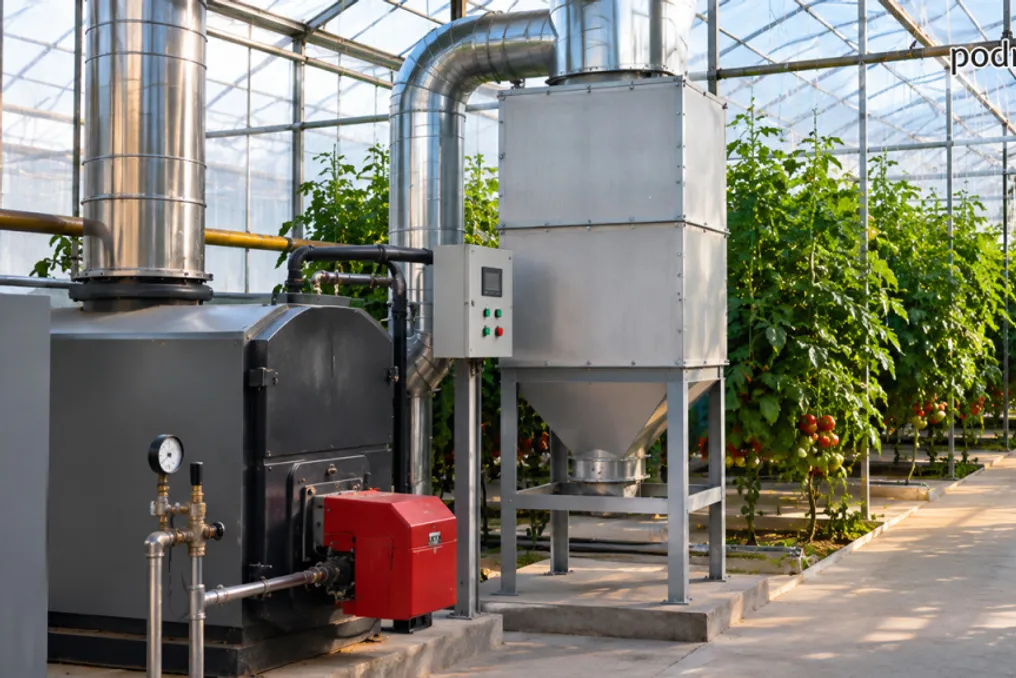
The issues were raised during a meeting of flower growers and greenhouse operators with representatives of relevant agencies. One participant reported receiving a conclusion for a modern Chinese filter installed on a boiler, but for a similar document for another boiler, he was quoted a sum of 37 million 890 thousand soms. The entrepreneur requested an explanation for this difference, citing Cabinet of Ministers Resolution No. 234 of May 11, 2026.
According to this resolution, the fee for state ecological expertise of greenhouse enterprises of Category III environmental impact is 6.5 basic calculation units (BCU), equivalent to 2 million 860 thousand soms. After the publication of a video recording of this meeting, the Environmental Committee issued an official clarification.
The department confirmed that this tariff applies to greenhouses whose heating systems operate on natural gas, coal, or other types of fuel, provided they fall under Category III environmental impact. However, the committee specified that boiler certification, laboratory testing, instrumental measurements, and the development of environmental impact assessment projects are not included in the cost of state ecological expertise and are outside the competence of the State Ecological Expertise Center.
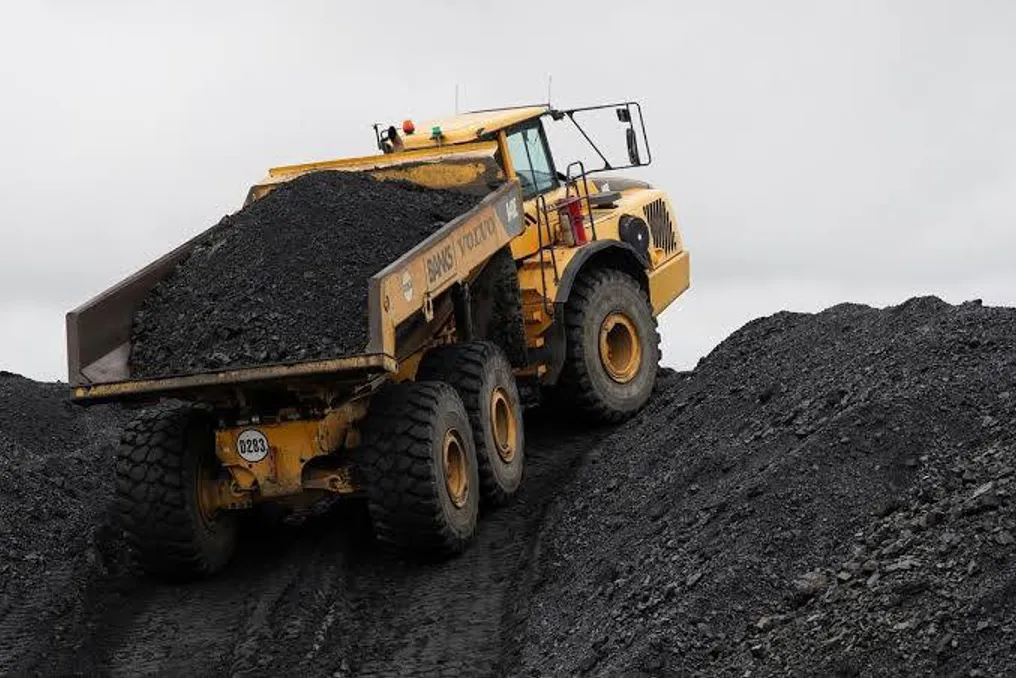
It should be recalled that greenhouses in Tashkent and five districts of Tashkent region are required to transition away from using coal and other solid fuels or install appropriate equipment for emission purification and automatic control. Subsidies of up to 50 million soms per hectare and preferential loans are provided to support modernization.
The new requirements are enshrined in Cabinet of Ministers Resolution No. 586 and are effective in the territory of Tashkent, as well as Yukorichchiksky, Kibray, Yangiyulsky, Zangiatinsky, and Tashkent districts of the region. Enterprises using coal, briquettes, and biomass pellets must switch their heating systems to alternative energy sources by December 1, 2026. Such sources include natural and liquefied gas, electricity, solar and geothermal energy, as well as secondary heat from thermal power plants; the latter requires a positive conclusion from the state ecological expertise.
Furthermore, a complete ban on solid fuels has not been introduced, but their use is possible only if a number of technical conditions are met. Boilers must be equipped with automatic combustion control and flue gas cleaning systems, as well as sensors for continuous emission monitoring. The data obtained must be transmitted to the Environmental Committee's information system in real time.