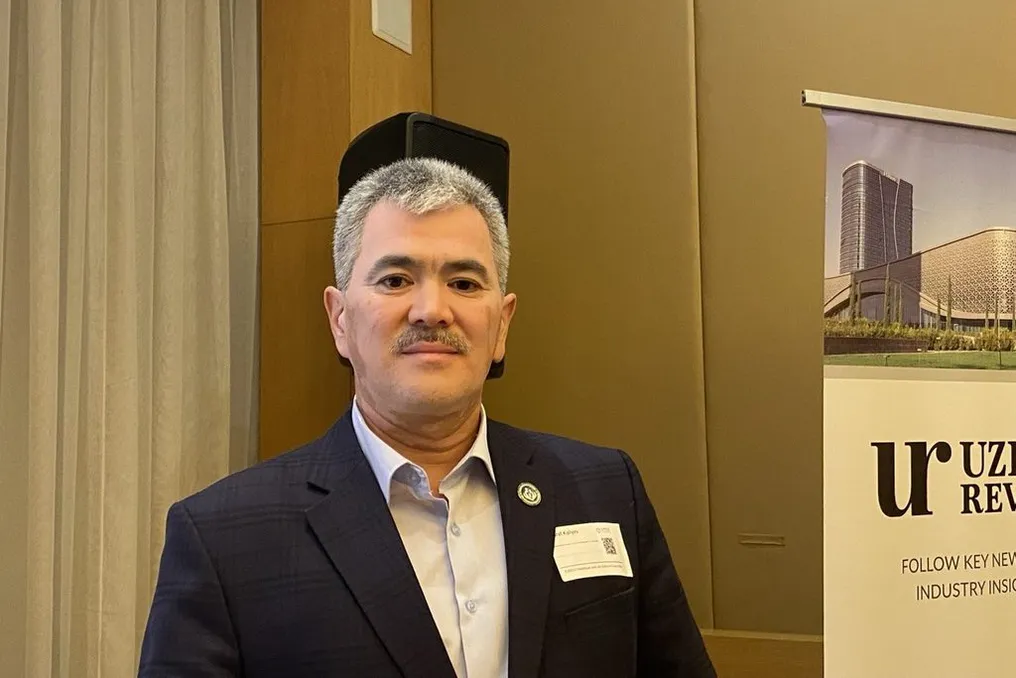
The forum topic 'Transformation of Uzbekistan's Healthcare: Sustainable Access, Modern Regulation, and Safety' gathered representatives from various sectors: state bodies, medical centers, insurance and digital institutions, participants in the pharmaceutical industry, and medical device manufacturers.
Specialists and regulators focused primarily on issues of insurance and reimbursement (the mechanism for compensating costs for medicines or services by the state or insurance organizations), the development of modern oncological care, support for children with rare and hereditary diseases, as well as the registration, pricing, quality control, and digitalization of medicines and medical devices.
Issues of drug supply and the reimbursement program are priorities, as they directly concern the health and lives of both specialists and ordinary citizens, who view changes in the healthcare sector with some apprehension.
It was noted that the medical insurance system in Uzbekistan is structured differently than many fear; effectively, the entire population is covered by state medical insurance, and financing is carried out through a special fund that covers expenses from primary care to high-tech procedures.
Access to complex and expensive treatment in Uzbekistan is assessed as very high compared to countries in Central Asia. State funds through the medical insurance fund cover a wide range of assistance, including treatment of common ailments in multidisciplinary hospitals, as well as complex surgeries such as stenting, joint replacement, transplants, and hemodialysis. A key condition for the functioning of the system is the attachment of every person to the primary level—a family polyclinic, to which about 90% of citizens are currently attached.
After a doctor prescribes an electronic prescription or referral, the further process of providing medical care begins, taking into account patient routing. Previously, there was a rigid territorial division that created difficulties in receiving services if a person lived in one region but worked in another. One of the fund's goals is to eliminate these geographical restrictions, allowing a person to receive care where they are, for example, in Tashkent if they arrived from Samarkand. However, this requires official attachment to a local family doctor and confirmation of place of residence.
Regarding medicines, it was noted that analgin itself is not included in the list of drugs financed by the fund, but the reimbursement program includes many in-demand medications for lowering blood pressure, thinning blood, controlling bronchial asthma attacks, and other conditions. Within this program, 28 free medicines are available, the main recipients of which are the elderly. These drugs are issued via an electronic prescription, but only if there are medical indications established by a doctor.
Marat Kaliev, chief specialist of the Methodology and Training Department of the State Medical Insurance Fund, emphasized that for residents, the transition to the new model must be as natural as possible, and the main task of the system is to ensure the complete resolution of the patient's health problem from the moment symptoms appear.
Currently, the reimbursement program includes 28 medicinal products, and the addition of another drug is planned for January 2027. Medicines for beneficiaries and patients with rare diseases are provided according to special lists approved by the Ministry of Health from the budget or other sources. Experts plan to study new medications, taking into account criteria of safety, real effectiveness, and economic feasibility.
A significant part of the meeting was dedicated to the methodology for evaluating medical services and medicines. Discussions covered how to form and update lists of subsidized and free drugs using unified criteria: effectiveness, justification of price, financial feasibility for the state, and population need. Participants identified key directions that take into account clinical guidelines and standards: training qualified personnel, utilizing international experience, and creating a legal and institutional framework and conducting public discussions of projects.
Experts stressed that a full evaluation of medical technologies requires both trained specialists and clear legislative acts, which demands more transparent rules of interaction from pharmaceutical companies and patients. It was emphasized that the development of new laws must undergo a stage of public discussion at early stages.
The forum was held with the support of the EUROUZ Committee for Health and Life Sciences in partnership with AstraZeneca.