Poachers from Namangan region incurred damage exceeding one billion soums for catching rare fish from the Red Book
Read more
Podrobno.uz [uz]
podrobno.uz

Poachers from Namangan region incurred damage exceeding one billion soums for catching rare fish from the Red Book

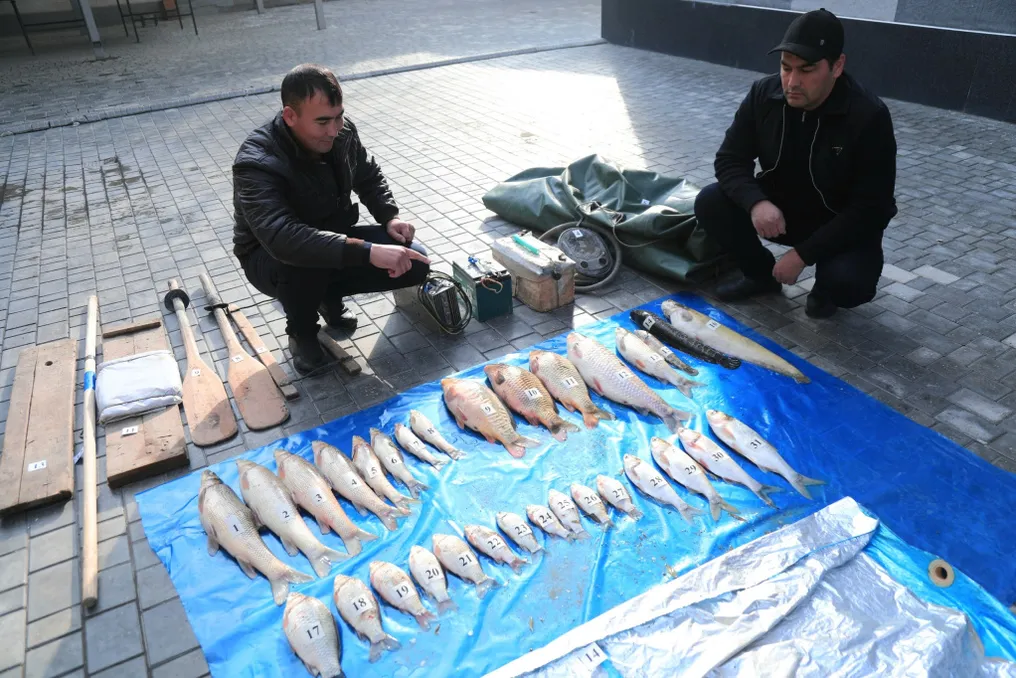
In the Namangan region, eco-police inspectors detained two men who were engaged in illegal fishing using electric current. Among the caught specimens were rare species included in the Red Book of Uzbekistan. The total damage inflicted on the wildlife exceeded 1 billion soums.

Details of the detention and damage

The operation was conducted on a section of the Syr Darya River, which flows through the Ykkatut mahalla of the Papsky district. Eco-police officers discovered two violators who were using prohibited gear for fishing.

According to information from the regional ecology department, the men illegally caught 31 fish belonging to seven different species. Upon inspection, it was established that eight of these fish belong to the rare species 'Turkestan barb', which is listed in the Red Book of Uzbekistan. The preliminary estimate of the damage caused to nature amounted to 1.25 billion soums.

All collected evidence and case materials will be transferred to the prosecutor's office for further investigation.

Previously, similar cases of illegal fishing were suppressed in the Karaulbazar district of Bukhara region on Lake Khadicha. There, 118 fish were seized from three suspects, and the damage to nature was estimated at over 126 million soums.

Similar stories

Rare yellow fish discovered in Lake New York
Read more
noticiasaominuto.com

Rare yellow fish discovered in Lake New York

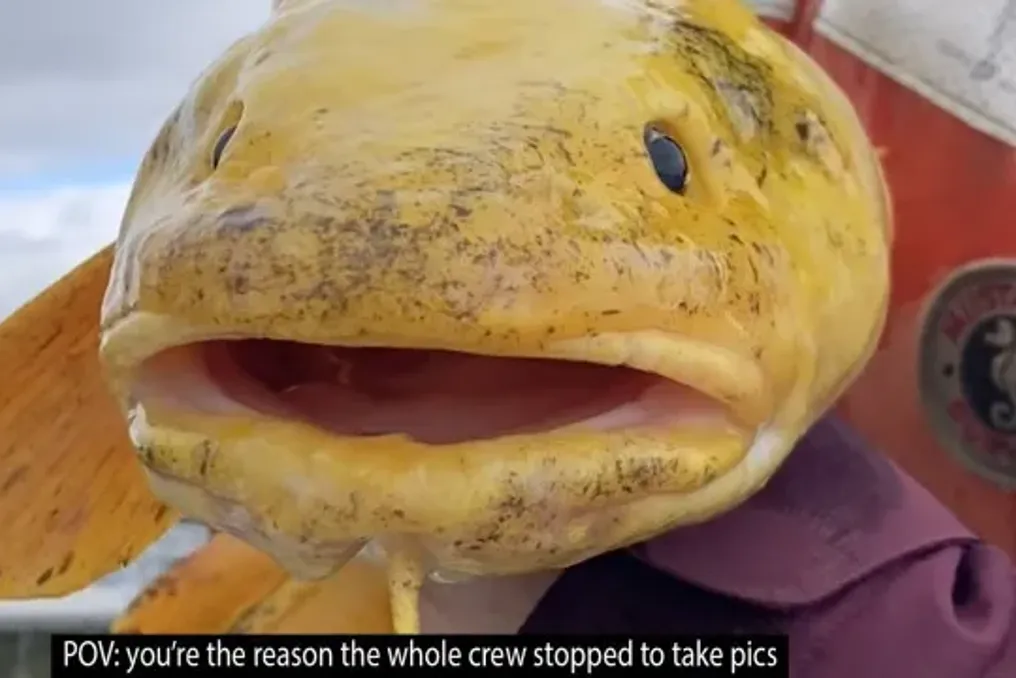
An unusual yellow fish was caught in the waters of Lake Oswego in New York State, USA. This find has attracted the attention of scientists and marine biology specialists, who classify this specimen as 'one in a million'.

The animal belongs to the species Lota lota, which usually has a dark brown coloration interspersed with black or gray spots. However, in this case, the fish drew interest due to its bright yellow hue, which is a result of a rare condition.

According to an explanation from the U.S. Fish and Wildlife Service (USFWS), 'xanthochroism is a rarely encountered biological condition caused by a genetic mutation that suppresses normal pigmentation, leading to a yellow-orange appearance.'

The fish was discovered during a routine study of invasive aquatic species in Oswego Harbor. In addition to its unusual color, scientists noted that the animal's health condition was unsatisfactory. The USFWS added that due to the fish's condition and unexplained factors contributing to the ongoing population decline, it was transported to the Cornell University College of Veterinary Medicine for health analysis.

It should be noted that although the lota is a native species, its populations in the lake are extremely small. This species typically inhabits deeper and colder waters than those found in the harbor.

Call in Uzbekistan to check videos of hunting birds listed in the Red Book
Read more
podrobno.uz

Call in Uzbekistan to check videos of hunting birds listed in the Red Book

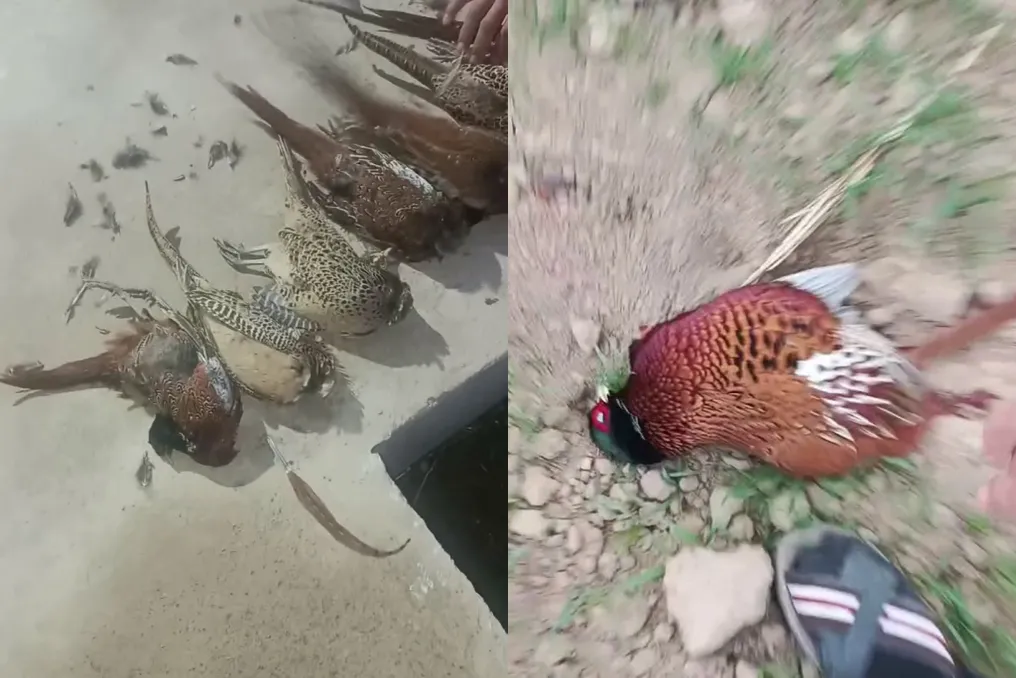
Video materials showing the hunting of birds included in the Red Book of Uzbekistan have appeared on social media. Users of these materials drew attention to a potential violation of environmental protection legislation and strongly called on relevant state bodies to investigate the circumstances recorded in the video.

Specifically, the issue concerns the hunting of pheasants, which belong to protected species. However, at the moment, there is no reliable data that could unambiguously confirm the fact of illegal harvesting of these birds.

The video recordings were published by a user on the social network Instagram under the ID 'Ishqiboz19'. This publication also raises questions about what permits are required for hunting such bird species, who has the authority to issue them, and on what legal grounds.

The initiators of this appeal believe that competent structures must conduct a comprehensive study of the situation and provide a legal assessment of the actions of the person who published the video.

Popular