Theater groups from Russia, Turkey, and Iraq will participate in the International Street Theater Festival in Marivan
Read more
Tehran Times
www.tehrantimes.com

Theater groups from Russia, Turkey, and Iraq will participate in the International Street Theater Festival in Marivan

Organizers announced that theater groups from Russia, Turkey, and Iraq will take part in the XIX International Street Theater Festival in Marivan. The festival will gather 40 groups and 270 participants, organizers reported at a press conference in Tehran on Tuesday.

According to Ruhollah Iradji, director of the festival's international department, the international program will include performances by a Russian troupe, a special guest from this country, a joint Iranian-Turkish performance, and two performances from Iraq.

This festival, one of Iran's significant events dedicated to street theater, will be held in the western Iranian city of Marivan. Performances are planned for both open spaces and unusual locations such as schools, prisons, and military barracks.

Festival Secretary Fateh Badparva noted that this year the event will be held in a non-competitive format, focusing on cultural exchange and celebration rather than competition. He described the Marivan festival as one of Iran's most specialized events dedicated to street theater, adding that its goals extend beyond artistic activities to include promoting the tourism potential of the western Kurdish city.

The festival originated in 1993 when five regional performances were held under the name Marivan Theater Festival. Over time, it has evolved into a national event and gradually gained international recognition.

Badparva stated that initially, organizers were concerned that abandoning the competitive format might reduce participation, but the reaction from the theater groups was encouraging.

In this edition, special attention will be paid to a number of social and environmental issues. Key themes include water scarcity and the importance of responsible water consumption. Works addressing the tragedy at Shajareh Tayebe Elementary School in Minab, Hormozgan province, were also considered during the selection process.

The tragedy at Shajareh Tayebe Elementary School occurred on February 28 when the school was hit by a missile strike during Israeli military attacks on Iran. The attack resulted in the deaths of dozens of children, mostly aged seven to twelve, as well as teachers and school staff, making it one of the deadliest attacks on civilians during the conflict.

Badparva emphasized that the ongoing war and its consequences will be another theme highlighted through performances, emphasizing the role of theater in reflecting social problems.

Atabak Nadiri, Director General of Performing Arts of the Ministry of Culture and Islamic Guidance, also stressed the importance of using theatrical language to raise public awareness about water conservation. He stated that theater artists can help convey the need for more responsible use of water resources through their performances.

The festival program will go beyond traditional street stages. Performances are scheduled in Shano Park, Lake Zarivar, schools, prisons, military barracks, and other locations throughout the city. These unconventional venues are part of an experimental section of the festival that seeks to explore various relationships between theater, public spaces, and audiences.

Organizers are also expanding the academic dimension of the festival. Ali Abdolrahimzadeh, secretary of the research seminar, reported that 61 abstracts were submitted, 46 were selected, and ultimately 39 works were chosen by the jury. Fourteen works will be presented in person, and six in poster format.

Researchers from India and the Kurdish region of Iraq will also contribute to the seminars through online presentations. Speakers Majid Sarsangi and Mohammad-Hossein Nasserbakht will participate in discussions with researchers.

Abdolrahimzadeh noted that the long-term goal is to strengthen the link between street theater and academic theater studies, possibly through the creation of specialized university courses or a dedicated academic program.

The festival will also feature Cordeshtan music evenings, organized in collaboration with the Music Bureau of the Deputy Minister of Culture and Islamic Guidance for Artistic Affairs. Calligraphers will participate in accompanying programs during the event.

According to Executive Secretary Avat Hesami, 40 theater groups, comprising 270 people, will participate in the festival. He noted that the complex circumstances of the last two years have affected cultural and artistic activities in the country, but the cooperation of artists and organizers helped preserve this event.

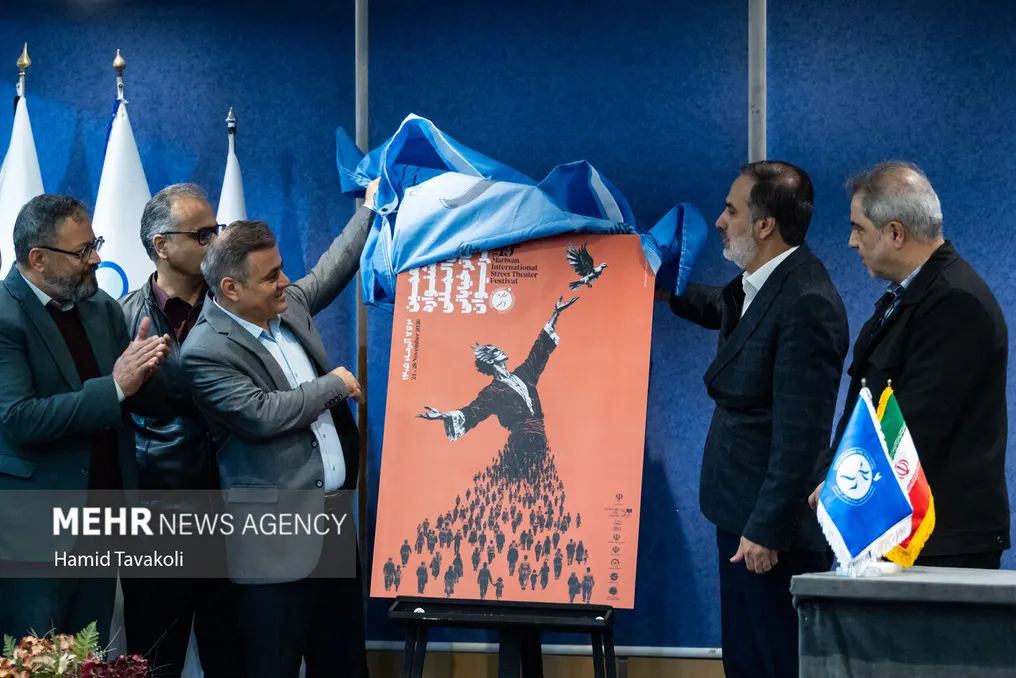
The press conference concluded with the presentation of the festival poster in the presence of Mehdi Shafiei, Deputy Minister for Artistic Affairs, Nadiri, Badparva, and Hesami.
Similar stories

Street theater artists pay tribute to students of Shajareh Tayebe School during the 20th Resistance Festival
Read more
www.tehrantimes.com

Street theater artists pay tribute to students of Shajareh Tayebe School during the 20th Resistance Festival

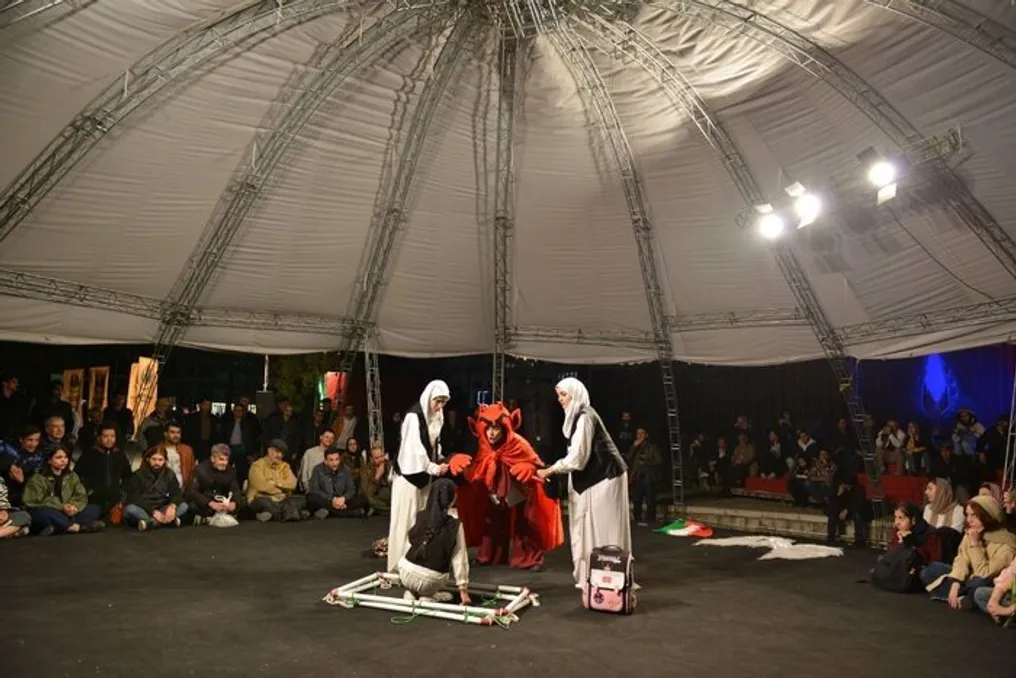
The first day of street theater performances by the 'Sardar-e Asmani' (Heavenly Commander) section at the 20th International Theater of Resistance Festival took place in the courtyard of the City Theater, on Enghelab Square and Vali-e-Asr Square in Tehran. Seven creative groups and numerous spectators participated in the event.

On this opening day, the artists expressed respect for the students and staff of Shajareh Tayebe School in Minab, who were killed in a US attack in February. According to the publication Mehr, the participants aimed to emphasize that the tragedy of the death of Iranian children at the hands of American-Zionist enemies will never be forgotten by the artistic community and the people of this land.

Through their creative approaches, the street theaters sought to highlight themes of martyrdom, resistance, and the resilience of Iranian children, women, and men, paying special attention to the events of the '12-day war' and the 'Ramadan war.' They also addressed current social events and political crises to connect with the audience.

The 20th International Theater of Resistance Festival is held under the slogan 'Iran, the eternal stage of resistance' and is curated by Mohammad Kazemtabar. It includes several areas: dramaturgy, stage theater, street theater, scientific and research activities, master classes, and an international section. The festival is held in Tehran and other cities in Iran.

The Theater of Resistance Festival has developed over two decades, becoming an event focused on themes such as Sacred Defense, the Islamic Revolution, and broader concepts of resistance. Organizers also strive to expand the scope of the festival beyond traditional theatrical productions, including master classes, research programs, and street performances.

The call for participation in the current edition covered a wide range of topics: from the experience of Sacred Defense and the lives of martyrs and fighters to issues concerning Palestine, Gaza, the role of women in resistance, and contemporary events. The festival's research section aims to stimulate academic and interdisciplinary discussions on theater of resistance and its social and cultural functions.

Republican Festival of Performing Arts Held in Tashkent with Participation from 12 Regions
Read more
nuz.uz

Republican Festival of Performing Arts Held in Tashkent with Participation from 12 Regions

The Republican Festival of Performing Arts is taking place in Tashkent from November 16 to 21, bringing together professional theater troupes from all regions of Uzbekistan. The goal of this event is to showcase the creative potential of national theaters, facilitate experience exchange among specialists, and discuss the directions for the development of local stage art.

The festival aims to support talented directors, actors, and playwrights, as well as to seek fresh artistic solutions and strengthen ties between various theater companies. A decree was previously issued by the President of the Republic of Uzbekistan providing for the annual holding of such a festival, and the current event is its debut.

An authoritative jury, comprising theater scholars, playwrights, and directors, was formed to evaluate the performances in the first stage. The jury assessed the productions based on criteria such as artistic integrity, relevance, idea, and societal benefit. One production was selected from each region. At the opening ceremony at the National Theater, the play 'The First Swallow,' dedicated to Makhsuma Kariyeva, was shown. Art critic Shakhnoza Kurbanbayeva noted the symbolism of this choice, as spring and the swallow symbolize a new beginning, which aligns with the status of the first festival. The play reflects the history of the first woman to enter the arts and the fate of all theater figures.

The festival program spans several days and includes performances from dramatic, puppet, and musical-dramatic theaters. Spectators will have the opportunity to see productions representing diverse artistic directions and regional traditions. Among the evaluated theaters from Surkhandarya, Samarkand, Kashkadarya, Andijan, Khorezm, and Fergana regions, as well as Karakalpakstan and capital troupes, audiences will see works, and the jury will conduct evaluations.

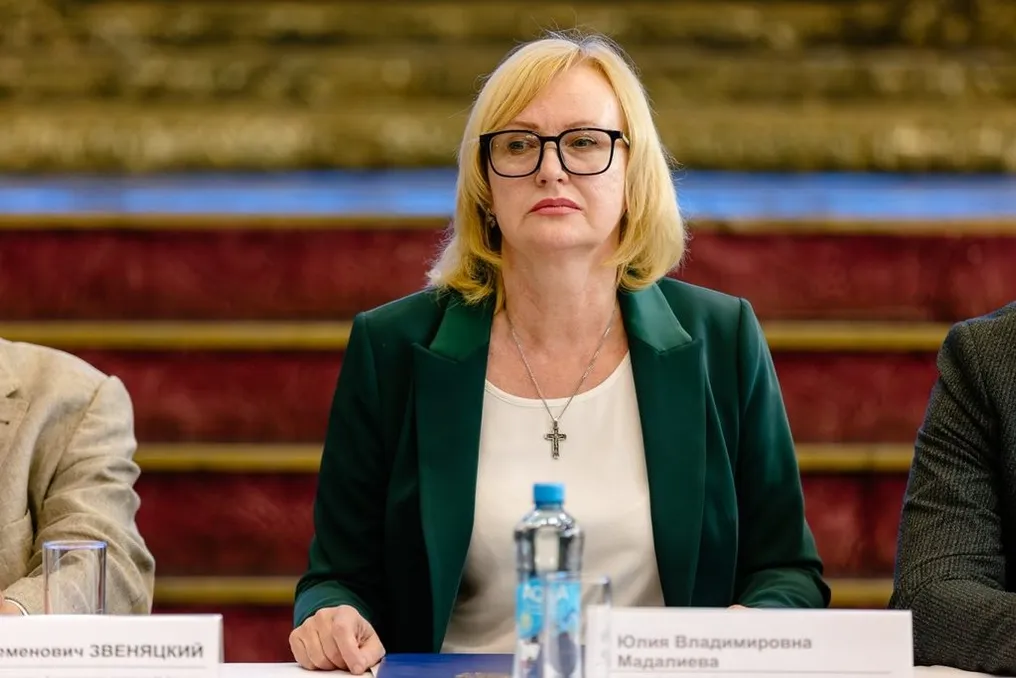
Special performances are provided for children's audiences: 'Red Shoes,' 'Nasreddin Afandi,' and 'Ali Baba and the Forty Thieves.' Yulia Madalieva, Director of the Fergana Regional Russian Drama Theater, who attended as a guest, mentioned that their puppet theater presents the play 'Suitcase,' which is not part of the competition. This production addresses the issue of excessive immersion of children in the internet, showing how a mother tries to re-establish a connection with a child immersed in the virtual world, and emphasizing the importance of family over other activities. The play was staged by an invited director from Kazakhstan.

Performances are held on the stages of major capital theaters, including the Uzbek National Academic Drama Theater, the Mukimi Theater, the Uzbek State Drama Theater, the Young Audience Theater, and the Uzbek State Academic Russian Drama Theater. Discussions will be an important part of the program, where experts, participants, and representatives of the theater community will analyze directorial decisions, acting skills, scenography, and topicality of themes.

People's Artist of Uzbekistan Erkin Komilov emphasized the significance of the festival, noting that if 12 regions present their productions, it will allow participants to understand their strengths and weaknesses, avoiding complacency. He agreed with the opinion that the festival should be held annually for objective evaluation of works.

The competitive part of the festival involves evaluation by a professional jury, which pays attention to directing, performance skill, scenography, artistic and ideological content, creative innovations, and the application of modern technologies. Winners will be determined across 17 nominations, such as 'Best Dramatic Play,' 'Best Actress,' and 'Best Actor.' The best participants will receive diplomas and monetary prizes from the Ministry of Culture of Uzbekistan. Furthermore, highly rated plays may be recommended for international tours, which will expand opportunities for promoting national performing arts abroad.

Overall, the Republican Festival of Performing Arts serves not only to demonstrate the diversity of the national stage but also to create conditions for professional dialogue, creative interaction, and the emergence of new names in the theater sphere of Uzbekistan.

Tehran to Host 16 Countries at International Metallurgy Exhibition
Read more
www.tehrantimes.com

Tehran to Host 16 Countries at International Metallurgy Exhibition

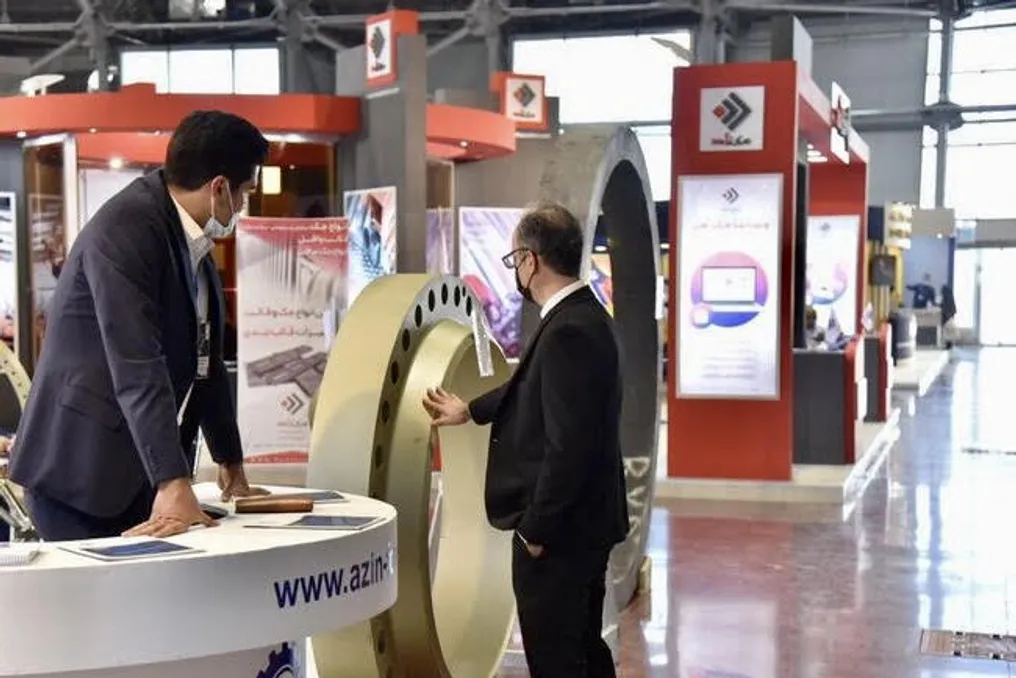
The 23rd International Exhibition of Steel Industry, Metallurgy, Casting, Forging, Mining Industry, Mechanical Engineering, and related industries in Iran (IRAN METAFO 2026) will take place in Tehran. The event will be held at the Tehran International Permanent Exhibition Complex from November 17 to 20.

According to a report by IRNA from the Tehran International Exhibition Center, about 450 companies will participate in the exhibition—both Iranian and foreign from 16 countries worldwide, including a large number of knowledge-based companies.

IRAN METAFO 23 is one of the largest specialized venues in the field of steel and metallurgy in West Asia. It serves as a platform for demonstrating production, industrial, and technological capabilities, exchanging experience and knowledge, and developing trade cooperation among industry participants.

In this edition, about 450 companies will be presented, of which approximately 420 are local and 25 are foreign representatives and brands. Foreign companies will present products from Sweden, Italy, France, Finland, Spain, China, Turkey, Switzerland, Germany, Denmark, Brazil, the United Kingdom, Russia, the Czech Republic, India, and Turkmenistan, showcasing their latest achievements, technologies, and services.

Abdulkareem Jalali, head of the Metallurgical Exhibition Organizing Committee, noted that the exhibition covers a wide range of activities related to the metal production and processing chain. These include iron and steel production, mining, non-ferrous metals such as copper, aluminum, and zinc, as well as casting, forming, machining, forging, heat treatment, raw materials, refractory materials, and equipment.

He added that the goal of holding the 23rd International Metallurgy Exhibition is to maximize the potential of knowledge-based companies and create a suitable platform for presenting new technologies, products, and achievements of this industry.

The CEO of Namanegar explained the composition of participants, emphasizing that groups involved in iron and steel production are included in the main sections of the exhibition and will be widely represented, as in previous years. He also mentioned that important participants include producers of non-ferrous metals, especially aluminum, raw material suppliers, refractory material providers, and the casting industry.

The head of the Organizing Committee of the 23rd IRAN METAFO reported that despite difficult conditions in the country, interest in this international event this year was significant. The exhibition pavilion space was filled months before the start, and due to limited space, some applicants could not secure booths.

Jalali emphasized that parallel to the exhibition, numerous conferences, specialized panel discussions, and training seminars will take place, aimed at knowledge exchange, experience transfer, and discussing current problems and challenges in the metallurgical industry.

Popular