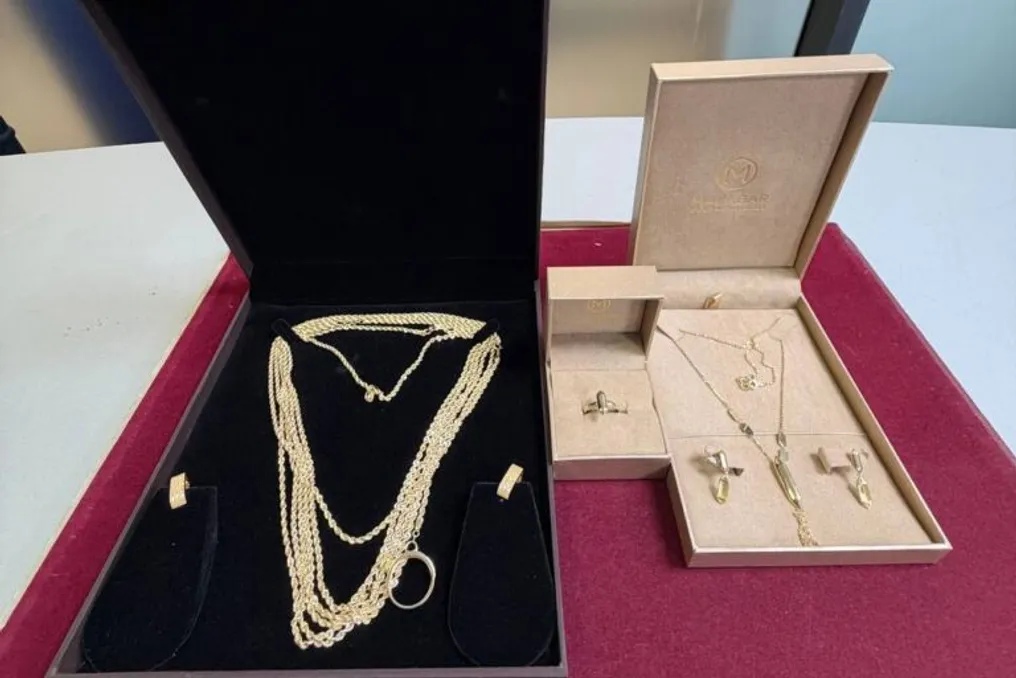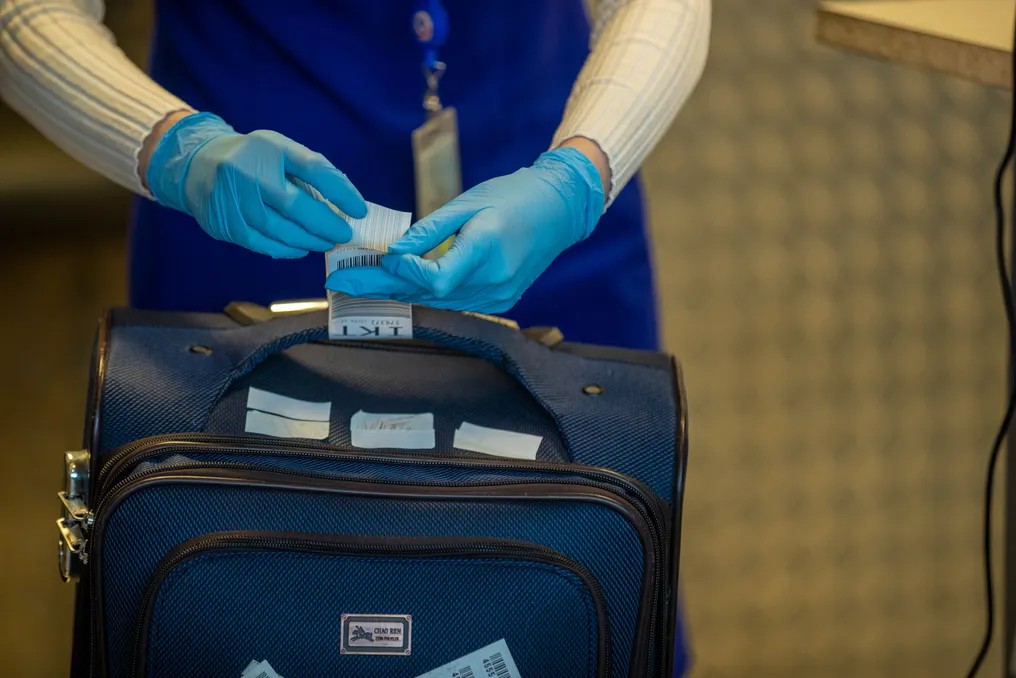
When shopping abroad, people often want to buy electronics, try products not sold in Brazil, or bring back spices from a visited place. However, not all goods are permitted for import into Brazil.
Passengers arriving in the country by plane must adhere to the duty-free limit of 1000 US dollars set by the Federal Revenue Service, in addition to considering several restrictions that are independent of the goods' value.
The import of certain products is prohibited for sanitary, environmental, or security reasons, while others require authorization from bodies such as the National Health Surveillance Agency (Anvisa) and the Ministry of Agriculture and Livestock (Mapa).
Among the products that cannot be imported from abroad, even if industrially processed and vacuum-packed, are Iberian ham, Parma ham, salami, mortadella, and sausages containing pork. These restrictions aim to prevent diseases in Brazil.
There is an exception for pork products: canned meat products that have undergone thermal sterilization are allowed. The import of raw meat and fish prepared artisanally or smoked exclusively is also prohibited, regardless of the animal species.
On the other hand, industrial products such as canned sardines can be carried in carry-on luggage. Products must be hermetically sealed in their original packaging, indicating composition, origin, and the sanitary authority of the producing country, and must be intended for personal consumption. Even if permitted, they must be declared upon arrival.
Restrictions on dairy products
The import of homemade cheese and other dairy products is prohibited in Brazil. The same applies to raw milk of any animal, even if it is chilled, frozen, or vacuum-packed.
There are also restrictions among industrially produced cheeses. The Ministry of Agriculture prohibits the import of products made from unpasteurized or unsterilized cow or buffalo milk from certain countries, such as France, Italy, Spain, Greece, and Japan. This restriction also applies to milk used in the production of these products.
Other industrial dairy products can be imported for personal consumption provided they are hermetically sealed in their original packaging and have identification of the product, composition, country of origin, and local sanitary authority.
Restrictions on beekeeping products and fruits
The import of honey from abroad is not permitted, even if it is industrially processed and in its original packaging. This restriction also applies to other beekeeping products, such as propolis and its derivatives, pollen, and beeswax.
Also on the prohibited list are royal jelly, used to feed larvae and the queen bee, and apitoxin, bee venom.
Even an apple left over from a flight snack can be confiscated upon arrival. The import of fresh or dried fruits, vegetables, greens, and flowers is prohibited without presenting a phytosanitary certificate issued by the agricultural authority of the country of origin.
Stricter requirements apply to seeds intended for planting, seedlings, and flower bulbs, such as tulips sold in the Netherlands. In addition to sanitary documentation, these goods require prior import permission issued by the Ministry of Agriculture.
Restrictions on animal materials and e-cigarettes
Necklaces made of seeds, wooden sculptures, and items made from feathers, bones, teeth, or horns of animals may also be seized at Brazilian airports. The Ministry of Agriculture requires that the materials used to make these items undergo special treatments. Otherwise, the traveler must provide the appropriate sanitary documentation. For plant materials, processes such as dyeing, roasting, and artificial dehydration are acceptable. Raw wooden items less than six millimeters thick and MDF products are exempt from these treatments.
The import of items showing signs of pests, whether animal or plant-derived, is prohibited. E-cigarettes, known as vapes and pods, have been banned from import into Brazil since 2009. This ban, established by Anvisa, applies to both disposable and rechargeable models, including cartridges, parts, and accessories. Even if the device is intended for personal use, it cannot be carried into or checked baggage from abroad.
Prohibited and controlled goods
Replicas of designer bags, expensive watches, clothing, and sneakers with fake brands are on the list of goods prohibited by the Federal Revenue Service. The ban also covers counterfeit products, such as illegal copies of computer games.
Chocolate and chewing gum containing THC, the psychoactive substance cannabis, sold in countries where recreational marijuana use is legalized, cannot be imported into Brazil. Exceptions include certain medicinal plant derivatives, whose import requires a doctor's prescription and prior Anvisa approval.
The import of medicines containing substances such as desomorphine, opioid, and mescaline, a hallucinogen, is also prohibited. Medicines brought in luggage must be for personal use. Those subject to special control in Brazil must be accompanied by a doctor's prescription, even if purchased abroad without one. A list of prohibited substances can be found in the Anvisa baggage guide.
Objects that may be mistaken for firearms, even if sold as toys or collectibles, are prohibited from import into Brazil. This restriction is enshrined in the Disarmament Law, which provides exceptions for replicas intended for training, practice, or collection by authorized users.
Firearms and ammunition are under the control of the Brazilian Army. The clearance of these goods through customs depends on the permission of this body and the provision of necessary documentation for each category.
Additional rules and limits
Even nationally produced goods may be detained when returning from an international trip. This applies to cigars and beverages produced in Brazil exclusively for export, meaning they are intended for sale in other countries, not the Brazilian market. Even if legally purchased abroad, these goods cannot return to Brazil in travelers' luggage.
The ban also extends to foreign-made cigars whose brands are not sold in their home countries, according to the provisions of the Federal Revenue Service.
Upon arrival in Brazil with goods subject to sanitary control or requiring import permits, the traveler must complete the Electronic Traveler Goods Declaration (e-DBV) and pass through the 'Goods to Declare' channel.
Animal or plant products are subject to control by the International Veterinary Surveillance (Vigiagro), associated with the Ministry of Agriculture. Prohibited or non-compliant items may be confiscated and destroyed.
Upon arrival by air or sea, the duty-free limit is 1000 US dollars per traveler, valid every 30 days and non-transferable. Additionally, there is an extra allowance of 1000 US dollars for purchases in the free trade zone upon arrival. Taxes of 50% are applied to amounts exceeding the duty-free limit. If goods are not declared, a fine of 50% of the excess will be applied.
The Federal Revenue Service also sets quantitative limits on goods brought in luggage. Travelers over 18 years old are allowed to carry up to 12 liters of alcoholic beverages, 200 foreign cigarettes, 25 cigars or cigarillos, and 250 grams of tobacco in their luggage.