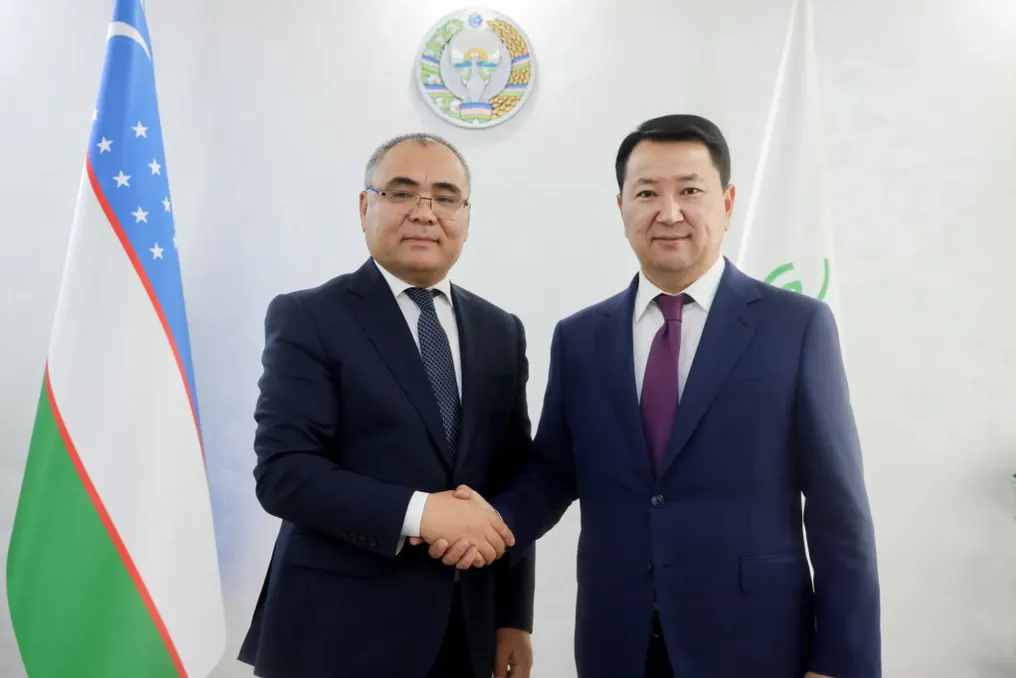
An international conference was held in Tashkent dedicated to introducing advanced agro-technologies and precision farming principles into Uzbekistan's agriculture. The event gathered scientists, experts, and representatives of relevant organizations from both within the country and abroad. The main topics of discussion included methods for increasing soil fertility, optimizing water resource use, and implementing sustainable agricultural practices.
Special attention was paid to the issue of efficient water use, which is critically important for Uzbekistan, where irrigated land reaches four million hectares. Participants reviewed innovative approaches such as soil moisture monitoring systems, evaporation and plant needs measurement, and new irrigation methods. Examples of drip and subsurface drip irrigation were demonstrated, including the application of artificial intelligence for accurately determining plant water deficit.
Experts also focused on methods for restoring and preserving soil fertility. Various approaches—biological, chemical, and mechanical—were discussed, including the use of compost, biochar, green manures, and biofertilizers, as well as the possibility of reducing tillage frequency. A significant area of research was the study of soil microbiome and the role of microorganisms in maintaining soil health and increasing yields.
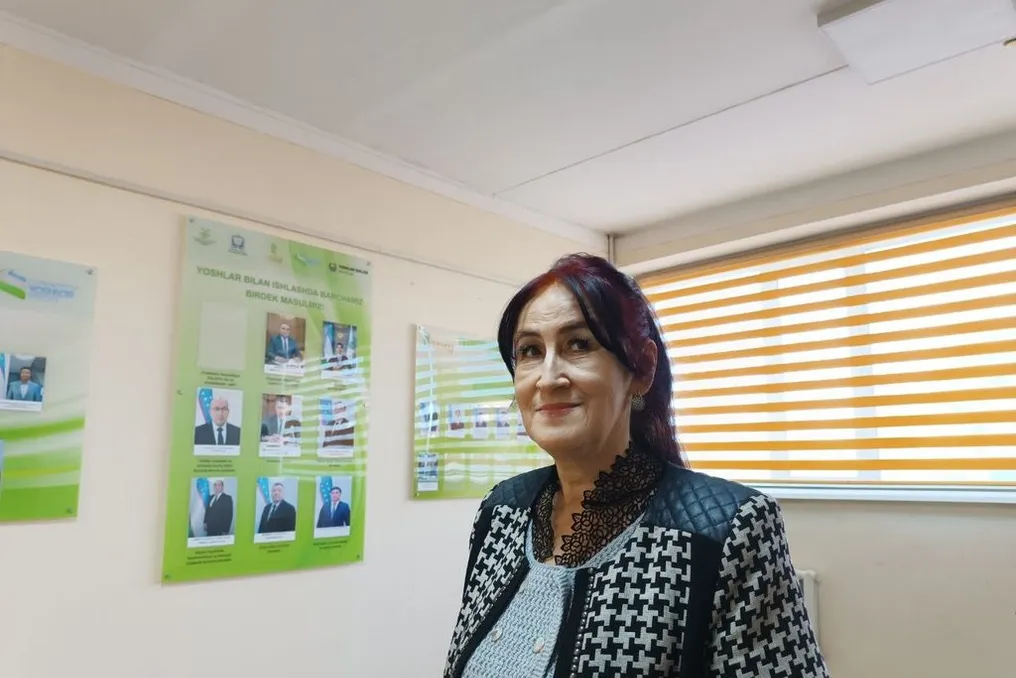
Professor Gulnara Jumaniyazova, a specialist in soil microbiology, agricultural biotechnology, and biofertilizers, presented biotechnology based on the complex application of two types of biological fertilizers. She noted that with traditional mineral fertilizer application, up to 80% of phosphorus and potassium remains unabsorbed, leading to soil salinization and degradation. Her development uses bacteria that treat seeds and are capable of dissolving inaccessible compounds of phosphorus, potassium, and silicon, making them available to plants. These bacteria are also salt-tolerant and help reduce salinization.
The second part of the technology presented by Jumaniyazova is foliar fertilization with microalgae, which serves as a growth stimulant and an additional source of nutrition. This comprehensive biotechnology has already been implemented in the republic over an area of about fifty thousand hectares, positively affecting yield and product quality.
Within the framework of the conference, test results with various crops such as sorghum, millet, amaranth, sweet potato, and okra were presented. These crops are viewed as a way to increase the resilience of the agricultural sector to drought, improve soil condition, and diversify production. The need to adapt crop rotation and expand the range of cultivated crops was also discussed.
Lead researcher Yulia Shirokova from the Research Institute of Irrigation and Water Problems emphasized the necessity of flushing saline soils and developing reclamation technologies that account for water scarcity. Since reclamation consumes 25–30% of annual water intake in agriculture, water saving is extremely important. One solution, using a bioacid developed by the Institute of Bioorganic Chemistry of the Academy of Sciences, allows reducing the water consumption for flushing by approximately 40%, lowering the volume from 4–5 thousand to 2.5–3 thousand cubic meters per hectare. Furthermore, applying this preparation during vegetative irrigation increases the efficiency of salt leaching by 20–30% without increasing water consumption, which also increases yield.
The practical part of the conference included visits by participants to operational irrigation systems and research institutes. This allowed specialists to exchange experiences and study current research for subsequent implementation of modern technologies in practice. A seminar was organized to unite all interested parties with the goal of preparing recommendations for the government on improving cultivation conditions, preserving soil health, and saving water, while ensuring food security, ecology, and biodiversity.