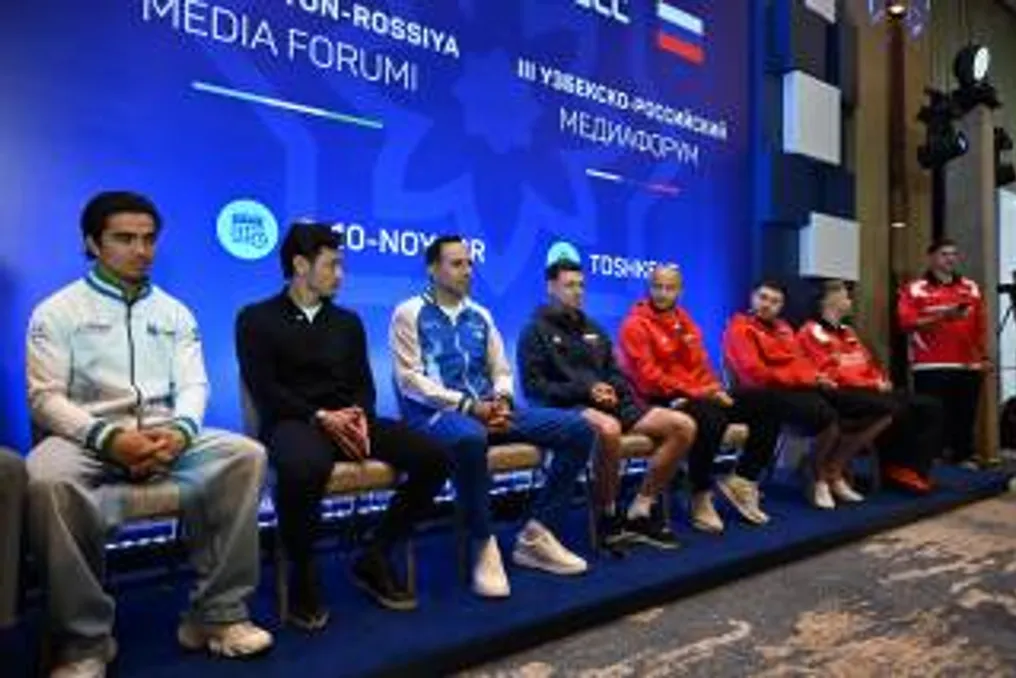
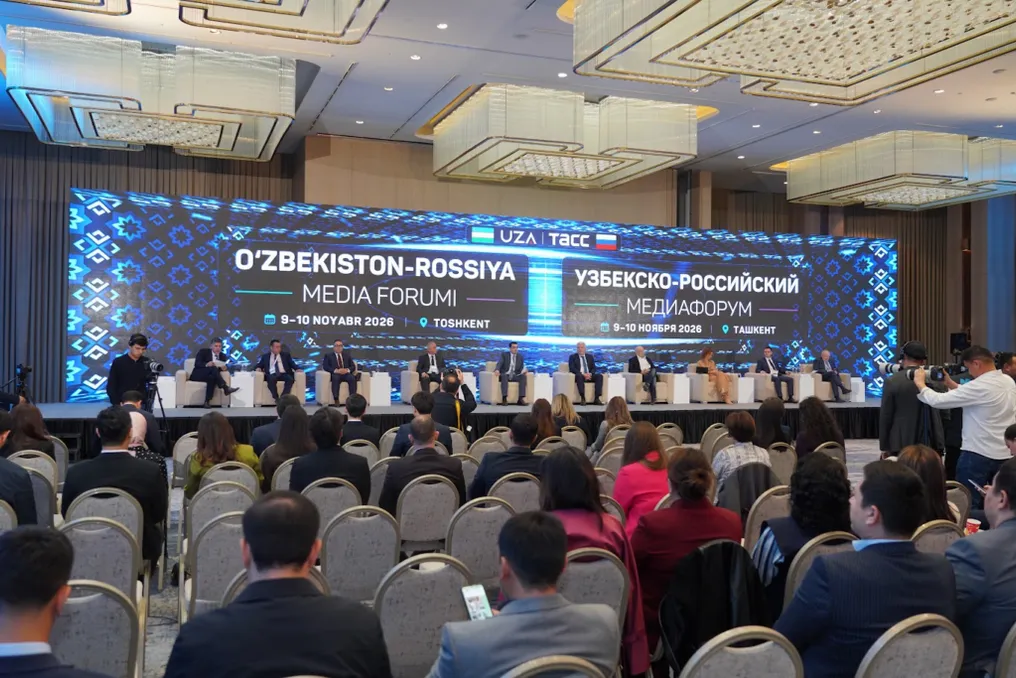
A Uzbek-Russian Media Forum was held in Tashkent, gathering representatives from various sectors: from leading media and cultural institutions to digital platforms, creative industries, and the expert community of Uzbekistan and Russia.
The main topics of discussion included not only the development of the media market but also deeper issues related to preserving cultural identity, strengthening mutual understanding, and forming a modern dialogue against the backdrop of rapid technological and social changes.
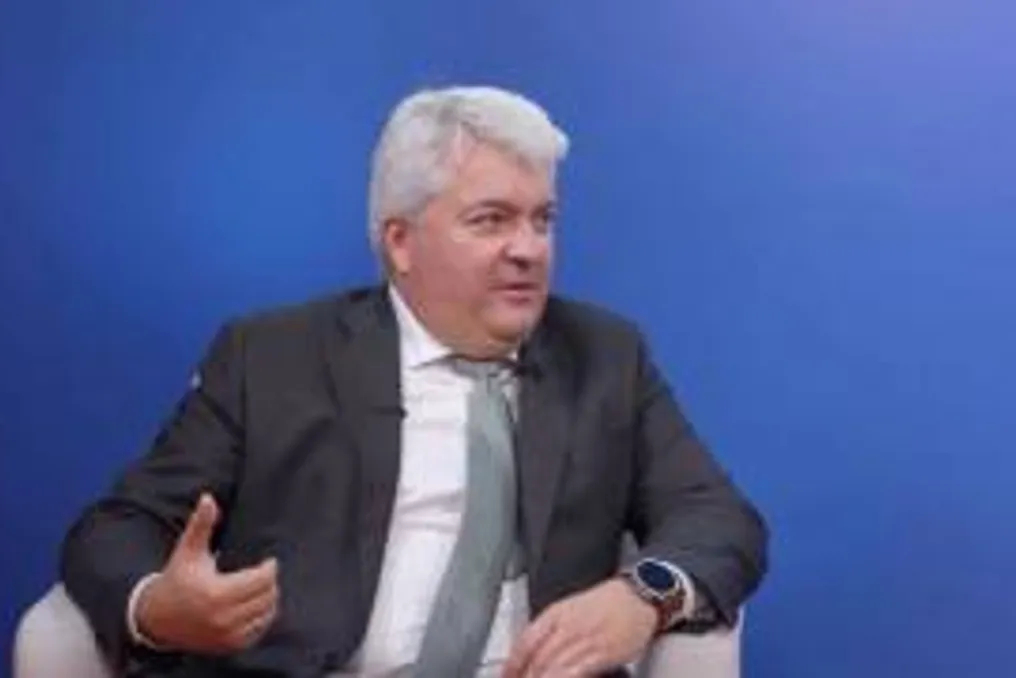
During the session 'National Cultural Code in Media: Harmonious Combination of Traditional Values and Vision for the Future,' Akramjon Ne'matov, Deputy Director of ISMI, emphasized that global changes are directly impacting the information space.
According to him, not only the method of information delivery is transforming, but also the culture of its consumption. In addition to traditional mass media, social networks, digital platforms, short video formats, bloggers, recommendation algorithms, and artificial intelligence have entered the process. In this new environment, media must evolve, becoming more technological, substantive, and prompt, yet without sacrificing professional standards, historical depth, and social responsibility.
A. Ne'matov specifically noted that the media community bears a serious obligation in ensuring how fully and impartially society perceives one another. He clarified that this is not about creating idealized images, but about presenting a balanced and relevant picture that reflects both cultural-historical heritage and current development processes.
Highlighting the multifaceted nature of modern Uzbekistan as an ancient civilization with rich traditions and a dynamically developing society that includes new industries, universities, technologies, and a young creative environment, he also pointed out the importance of the Uzbek audience being able to see the full complexity of modern Russia—its cultural, scientific, educational, social, and regional life.
In A. Ne'matov's opinion, establishing pragmatic professional communication between the cultural institutions and media of both countries is critically important. This dialogue should be aimed not only at exchanging information but also at jointly producing high-quality content such as films, theatrical productions, digital archives, translations, and youth projects.
He added that the cultural code should not remain solely a legacy of the past; it must be able to be adapted for modern language, especially for the younger generation living in a digital reality. At the same time, new technologies must serve to enhance the substantive foundation of culture, not replace it. The main issue remains the meaning conveyed through the chosen form.
In conclusion, A. Ne'matov stated that preserving national identity, promoting common traditional values, and developing an objective, professional media dialogue can become an important resource for further strengthening trust and mutual understanding between the peoples of Uzbekistan and Russia.