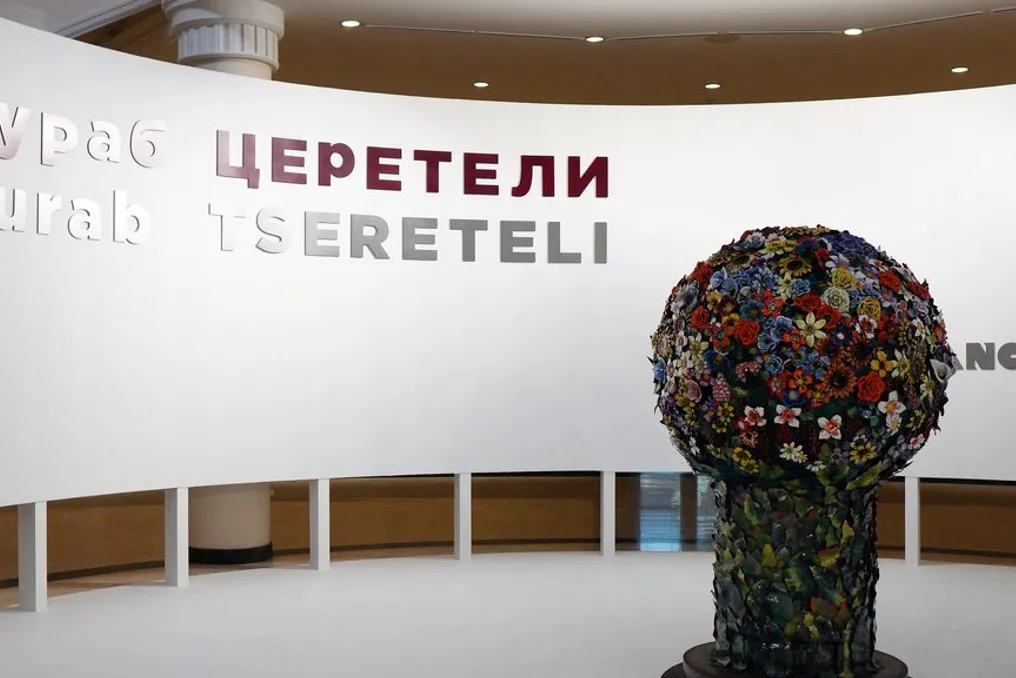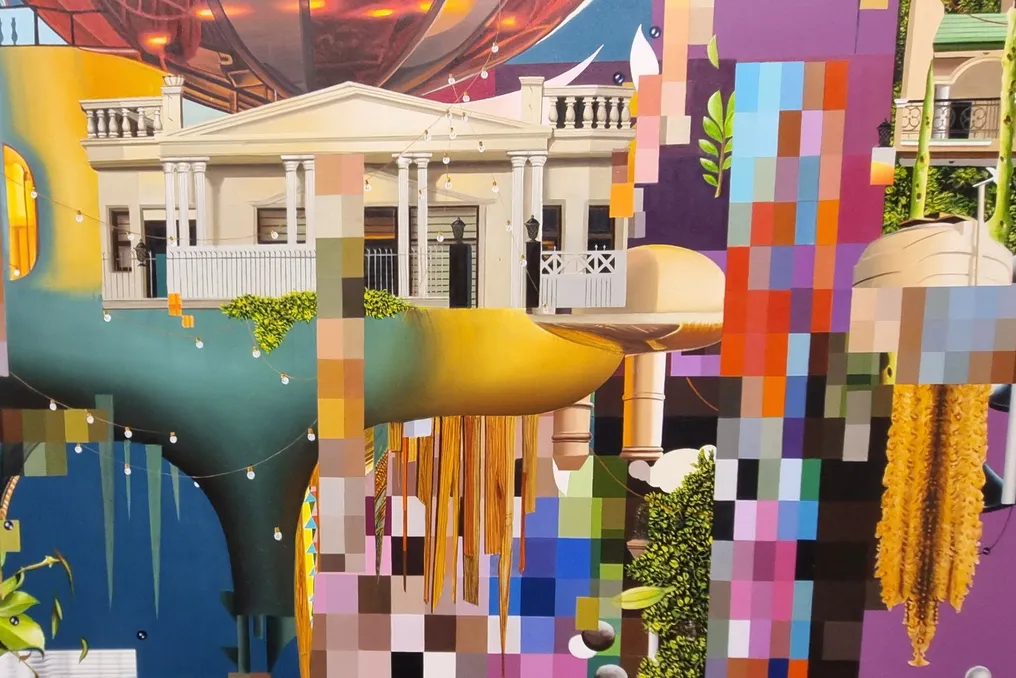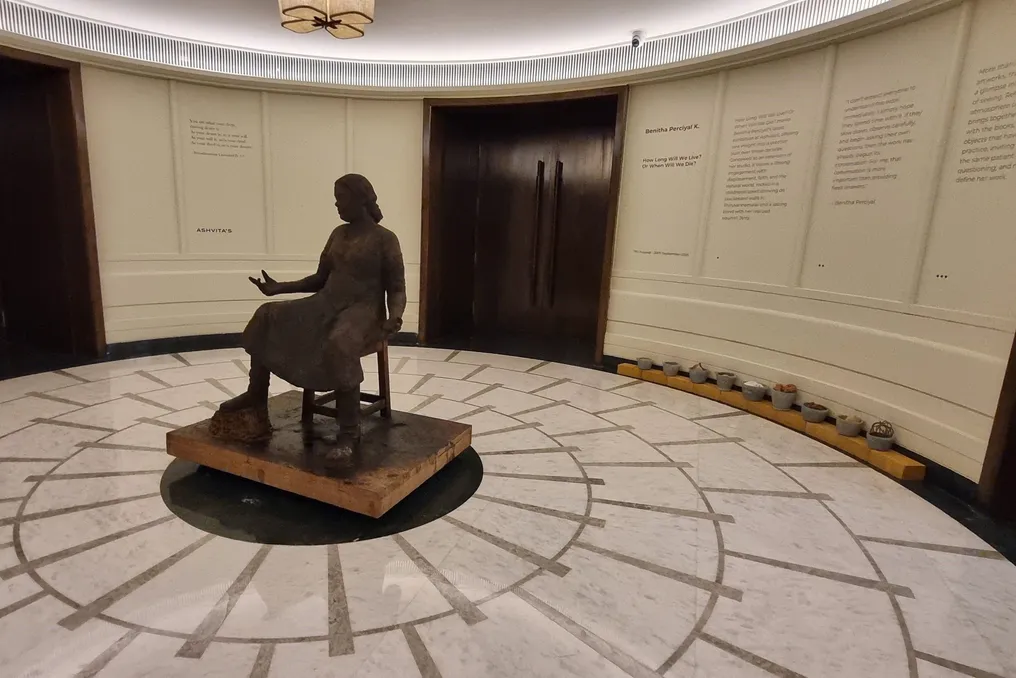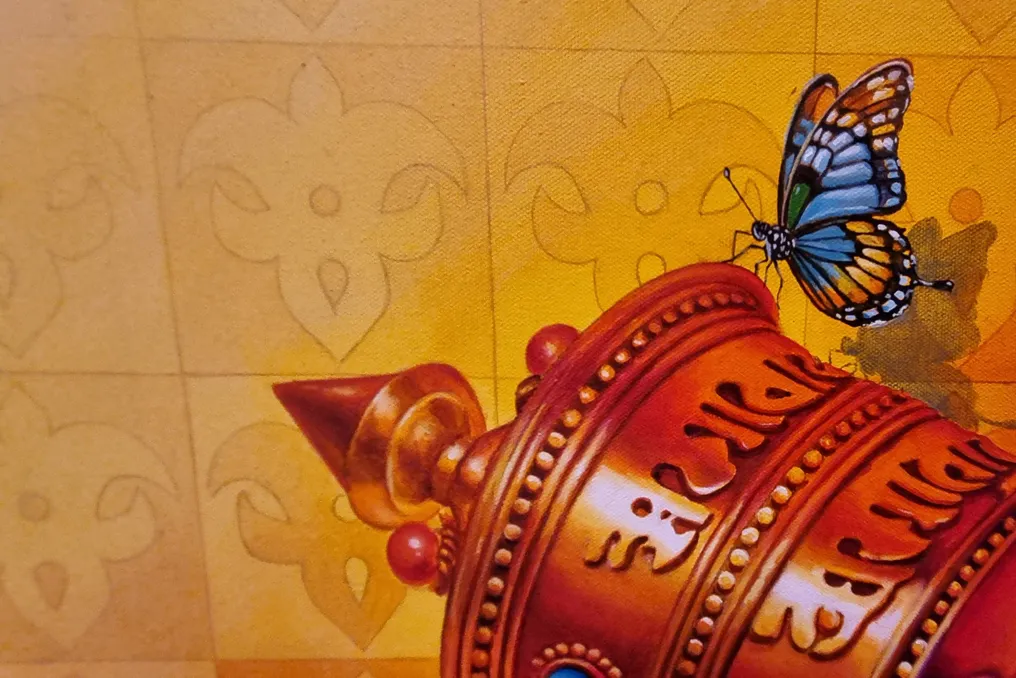
The Namma Art Bengaluru Festival, a national event, was held for the second time this year at the Karnataka Chitrakala Parishath (KCP).
KCP hosts the annual Chitra Santhe, considered one of India's largest street art fairs.
The Indian art landscape is characterized by immense diversity, encompassing complex visual languages from styles such as Madhubani, Warli, Gond, and Pattachitra. Sculptural traditions from Channapatna, Dhokra, and Thanjavur are also featured, alongside miniature painting and textile arts.
Contemporary art forms, including photography, installations, and new media, bring fresh perspectives to the art world. The beauty of this artistic panorama is most fully realized when these diverse creative forms are presented together.
Shashidhara Rao, General Secretary of KCP, notes that art has always served as a powerful means of self-expression, capable of transcending boundaries, uniting communities, and reflecting the spirit of society. Hosting a nationwide exhibition that brings together traditional and contemporary art in one space fosters a deep visual and cultural dialogue.
Such exhibitions reveal the interconnectedness between regional art traditions rather than presenting them as isolated categories. Photo essays show that recurring themes include nature, spirituality, community, identity, mythology, and daily life. Differences are also important, as they demonstrate the exceptional multiplicity of the Indian experience.
The integration of traditional and modern practices allows one to move beyond viewing heritage as something exclusively from the past. Traditional art forms are living practices that continuously evolve through artists, artisans, and new generations.
In turn, contemporary artists often utilize inherited visual languages and narratives while simultaneously questioning, reinterpreting, and transforming them for a modern context. Juxtaposing these works makes this continuity evident.
Rao from KCP adds that in an increasingly dynamic world, the role of art in preserving heritage, encouraging dialogue, and inspiring new perspectives becomes critically important. The Namma Art Festival, therefore, goes beyond merely displaying beautiful objects; it functions as a map of India's cultural imagination.
Within the festival, folk painting from one region can resonate with a contemporary installation from another, allowing regional identities to coexist within a single national narrative. The experience of jointly perceiving various art forms is also democratic, inviting the audience to discover unfamiliar traditions and appreciate the knowledge embedded in craftsmanship.
It creates opportunities for interaction among artists, artisans, designers, collectors, students, and the general public. KCP President BL Shankar emphasizes that the festival showcases a wide range of artistic approaches, mediums, and regional characteristics, whose works reflect the dynamism of contemporary practice in India.
This national exhibition affirms an idea central to India itself: unity does not require uniformity. Its strength lies in the coexistence of multiple languages, stories, materials, communities, and ways of seeing. By bringing together traditional and contemporary art, the exhibition offers viewers not just a look at Indian art, but the experience of India itself—diverse, multilayered, evolving, and connected.
Among the festival participants from KCP were artists such as Vivek Wadkar, A.G. Nellagi, Ashok Mansur, Sunil Barman, Diraj Balchandra Patil, and Sudha Sridhar. Vivek Wadkar is known as a contemporary Indian artist who creates emotional oil paintings of running horses; his compositions 'Seven Horses' draw upon traditions where running horses symbolize success and energy.
A.G. Nellagi is famous for his expressive depictions of bulls. His works are deeply connected to the personal experience of a farmer and the cultural symbolism of the bull, which represents strength, determination, fertility, and confidence. He has received recognition from the Lalit Kala Karnataka Academy and other cultural institutions.
Ashok Mansur is a visual artist and photographer interested in history and cultural imagery. As a farmer by profession, he is also known for his beautiful landscapes and portraits of people.
Sunil Barman is a self-taught artist whose paintings focus on the quiet beauty of rural life in Bengal. He primarily uses fine pen-and-ink drawing overlaid with delicate watercolor tones, evoking nostalgia for rural life where people and nature exist in a measured rhythm.
The festival convenor, SA Vimalanathan, reported that this edition featured 150 invited artists from across India, demonstrating diverse ideas, mediums, and voices that reflect the spirit of traditional and contemporary art today.