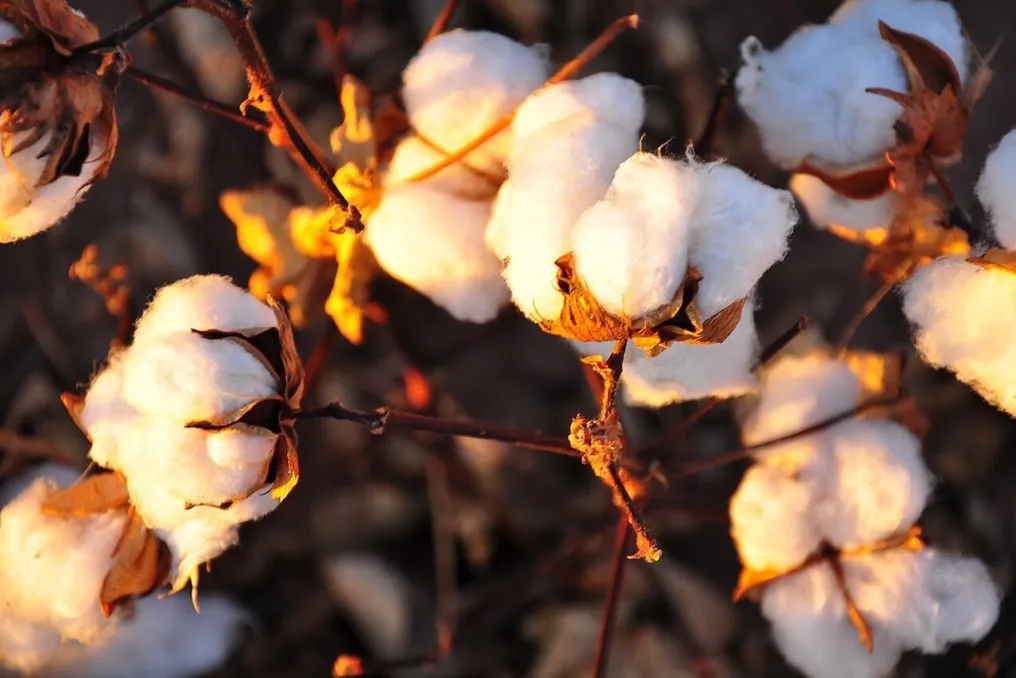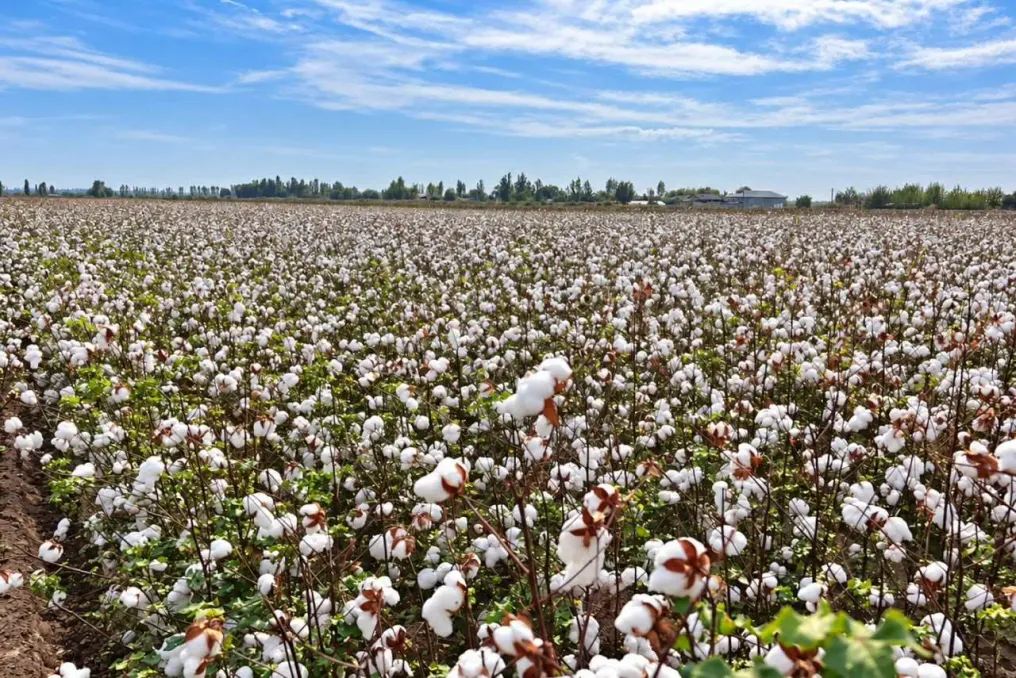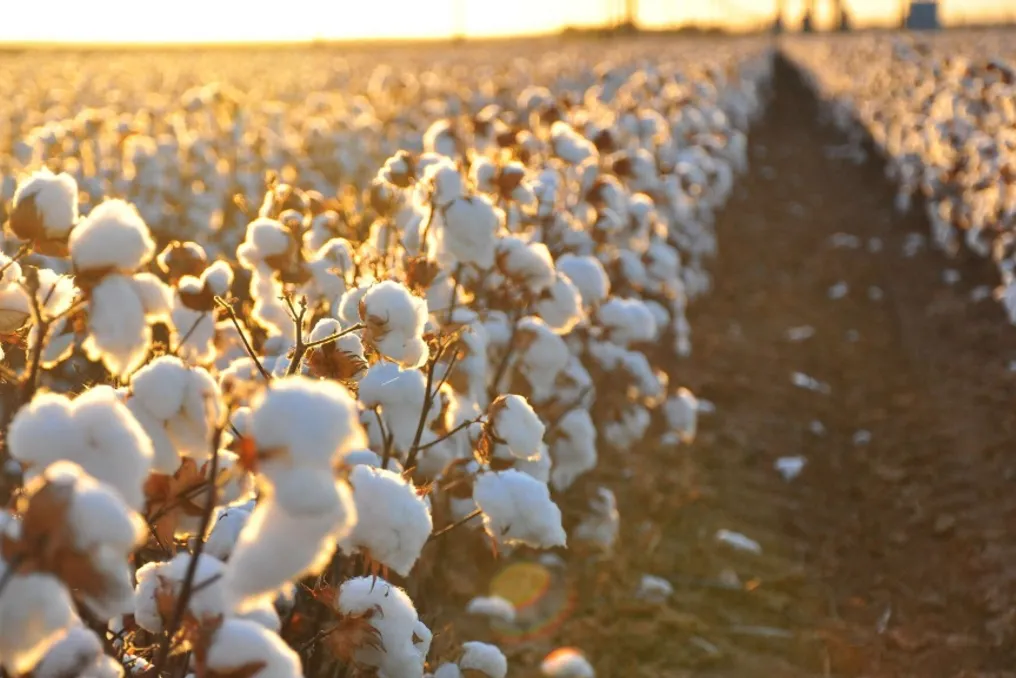
President of Uzbekistan Shavkat Mirziyoyev congratulated farmers, agricultural workers, and everyone involved in the sector on November 4th for the successful harvest of raw cotton, which exceeded 5 million tons. He characterized this result as a record for New Uzbekistan.
According to a statement from the presidential press service, the harvest was carried out before adverse weather conditions set in, thanks to the use of the sector's internal resources. The average cotton yield increased by 2.7 times, rising from 21 to 56 centners per hectare.
It is expected that cotton farming enterprises will earn a net profit of 13–14 trillion soums this year. On an area of about 400,000 hectares, the average yield reached 70 centners per hectare, while on approximately 70,000 hectares, it was 100–110 centners. More than 1,000 farms and clusters showed a yield of 100 centners per hectare or higher.
More than 4,000 farmers registered yields of over 60–70 centners per hectare, and 2,500 achieved a figure of 80 centners. Anorboy Eshmatov from Pakhtakor district and Ulugbek Suiyev from Jarkurgan district each harvested 110 centners of raw cotton per hectare.
Mirziyoyev noted that such achievements were made possible by changes in planting schemes, increasing the number of planted seedlings two to three times, and introducing new biotechnological varieties resistant to cotton bollworm and herbicides. The President also emphasized the creation of the Cotton Council, the application of unconventional technologies by scientists, and the digitalization of the sector. He added that the use of drones helped reduce costs by half. Improvements in payment discipline, the subsidy system, and crop insurance also contributed to the results.
An average yield exceeding 60 centners per hectare was recorded in the regions of Jizzakh, Khorezm, Bukhara, Navoi, and Syrdarya. In Karakalpakstan, the yield increased by 10–15 centners compared to previous years, with the harvest exceeding 400,000 tons. Cotton growers in the districts of Mirzaabad and Khavast achieved yields of over 70 centners per hectare.
In terms of total production volume, Kasan district took first place with 110,000 tons, followed by Mirishkor district with 105,000 tons, Kasbi district with 95,000 tons, Nishan district with 90,000 tons, and Mirzachul district with 85,000 tons.
Approximately 85% of the harvest was collected mechanically. Over 3,000 combines completed their work in 30–35 days. Mechanization reached 100% in the Jizzakh and Syrdarya regions.
The President compared current indicators with past periods. In the 1980s, about 2 million hectares were allocated for cotton cultivation in the country, with an average yield not exceeding 30 centners per hectare. In 2000, cotton was planted on 1.4 million hectares, and the harvest amounted to 3 million tons.
In recent years, cotton cultivation areas have decreased by 38%, the monopoly on cotton has been abolished, and the practice of involving teachers, students, schoolchildren, and civil servants in field work has ceased. Thanks to water-saving technologies, water consumption is now half the level recorded in the 1990s.
Mirziyoyev also reported that scientists and specialists from more than 30 countries proposed establishing a World Cotton Center in Uzbekistan at a recent forum in Tashkent dedicated to World Cotton Day. Next year, the country aims to increase the average cotton yield to 65–70 centners per hectare. Plans include expanding the cultivation of high-yield varieties, broader use of agricultural drones, water and energy-saving technologies, and artificial intelligence. According to the presidential message, more than 3.5 million people are employed in agriculture in Uzbekistan.