For three women in Cape Town, surviving breast cancer presented ongoing difficulties long after the initial diagnosis, ranging from adjusting to physical alterations to managing the anxiety associated with an unpredictable future.
Finishing cancer treatment does not automatically resolve the emotional burden of the illness. For numerous survivors, the process of accepting their altered bodies, working through their experiences, and rediscovering their identity constitutes another phase of their recovery journey.
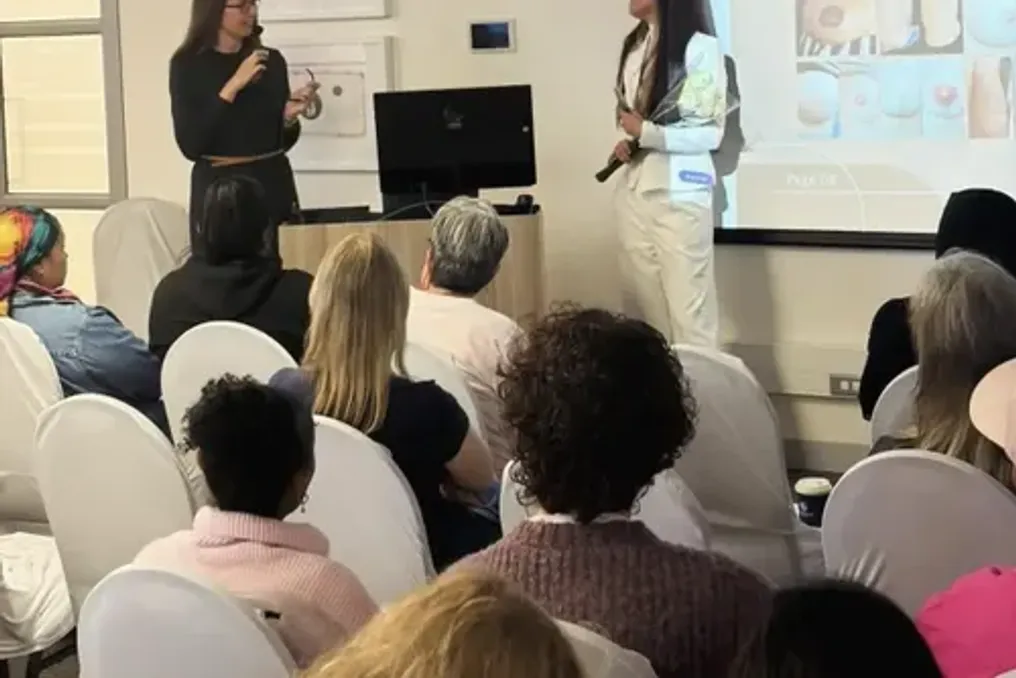
These three breast cancer survivors shared their deeply personal accounts during an awareness gathering organized by Netcare Christiaan Barnard Memorial Hospital in Cape Town on Thursday, October 22. The event, themed 'Whole again: body, self and the journey beyond breast cancer,' aimed to explore both the physical and emotional aspects of enduring cancer treatment and charting a path forward.
Ntombi Moyo discovered the onset of her condition when she observed changes while moisturizing in front of a mirror. Specifically, her left nipple was retracting, and her breast felt noticeably heavier compared to the other side. Initially, she disregarded these shifts, assuming they were normal variations between breasts. However, upon noticing dimpling and further nipple retraction, she recognized the seriousness of the situation and sought professional medical help.
Moyo, who stated she had no family history of cancer, recounted the profound shock of receiving her suspected diagnosis in 2024, shortly after reaching the age of 40. She expressed, 'I was mourning the fact that my life is gone right in front of my eyes.' Her personal account underscored the significant emotional effect a sudden diagnosis can have on an individual's perception of their future.
Carol Naicker, who has navigated her cancer journey for seven years, underwent substantial physical transformations due to her treatment, including a double mastectomy. A crucial element of her recuperation involved learning to accept her body post-surgery. She urged other survivors not to allow the loss or removal of their breasts to undermine their inherent self-worth. Naicker remarked, 'I look at my scars, and I say, you are a beautiful woman.' This mother of three also emphasized the complementary roles of faith and medical intervention in managing the disease, advising, 'Medicine is there for a reason. Your faith is there for a reason. Work with the two.'
Her message centered on acceptance, encouraging women to recognize their value independent of the physical changes induced by cancer therapy.
Michaela Herman's ordeal began amidst uncertainty, even after initially receiving an all-clear ultrasound following the birth of her son. She persisted in feeling that something was amiss. Subsequent examinations ultimately identified two types of breast cancer: triple-negative and hormone receptor-positive. Her treatment regimen encompassed chemotherapy, immunotherapy, a double mastectomy, lymph node surgery, radiation, and breast reconstruction.
Prior to starting treatment, Herman was gripped by apprehension regarding the unknown path ahead and whether she would live to see her son mature. She shared, 'I was, in a sense, grieving a life that I hadn’t actually lost, and so I focused on living.' This experience fundamentally altered her perspective on her body; instead of viewing it solely as the site where the disease manifested, she began to regard it with increased tenderness for sustaining her through treatment and recovery. She noted, 'My body was the place where something had gone wrong, and it was also the place where healing needed to happen.'
Dr Britta Dedekind, a general surgeon specializing in breast cancer surgery, mentioned feeling honored to participate in the care journeys of these women. Reflecting on the awareness event, she admitted that organizing it was stressful, especially leading up to it, due to uncertainties surrounding attendance and how the speakers and content would be received. Nevertheless, she highly valued the chance to foster an atmosphere where patients felt comfortable sharing their experiences, including unplanned contributions.
The event also served as a platform for knowledge exchange, facilitating new connections and strengthening relationships. Dr Dedekind's professional scope extends beyond surgical procedures; she collaborates with various specialists to ensure comprehensive care for breast cancer patients and chairs a weekly multidisciplinary team meeting at the hospital to review patient cases. The narratives shared by the survivors collectively demonstrated that the journey following breast cancer encompasses far more than just medical intervention; accepting physical changes, processing the emotional fallout of a diagnosis, and securing support are all integral parts of learning to live beyond the disease.