Journalist Radjdeep Sardesai shares his experience fighting prostate cancer at the Health Wealth Summit
Read more
Aaj Tak
www.aajtak.in

Journalist Radjdeep Sardesai shares his experience fighting prostate cancer at the Health Wealth Summit

No one knows what sudden turn life can take. When a journalist who dedicated his life to asking difficult questions of the country and the world learned from a doctor that he had cancer, the whole world momentarily stops.

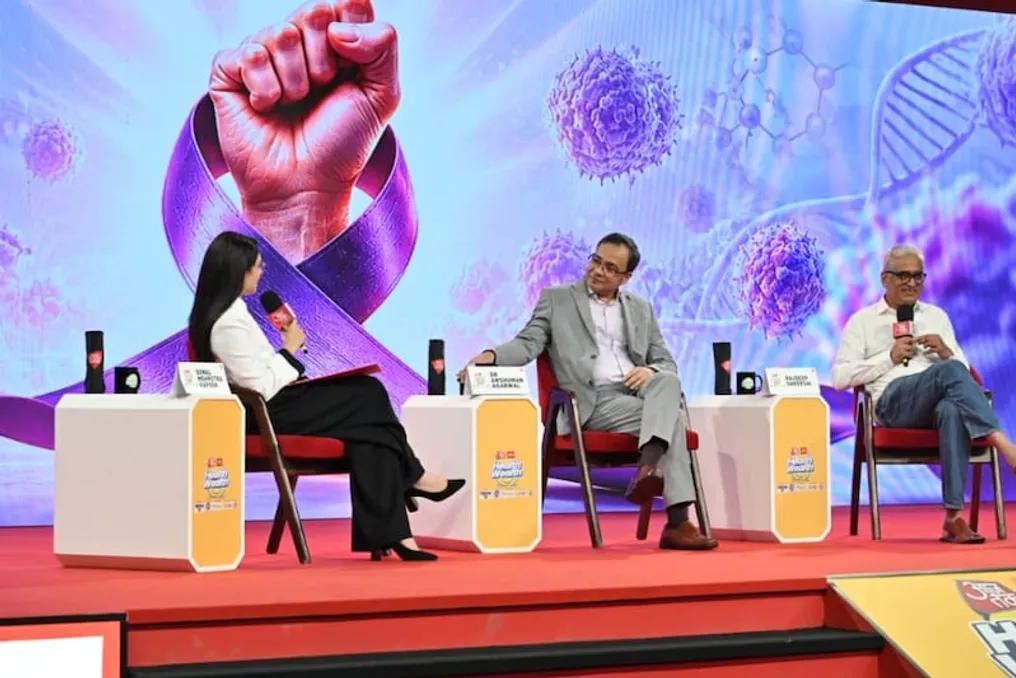
At a special and touching closing session of the Health Wealth Summit titled "#CANCERSURVIVOR — We Conquered Cancer," renowned journalist Radjdeep Sardesai and senior urologist Dr. Anshuman Agrawal of Apollo Hospital participated.

Radjdeep Sardesai publicly shared for the first time his journey of diagnosis, treatment, and recovery from prostate cancer. In this heart-wrenching conversation, important and significant points were voiced for the general public.

Sharing his experience, Radjdeep recounted that in June of last year, after receiving a biopsy, a doctor called him to inform him that the tumor was not benign but represented early-stage, yet highly malignant cancer. His initial reaction was quite unexpected. He was preparing to travel to England to watch the India versus England match at Lord's; his passport and visa were ready.

When he discussed this with his son, who is a doctor, his son reassured him, saying, "Dad, if you were destined to get cancer, then it is the best type of cancer that can be cured." These words gave him much strength. Radjdeep Sardesai noted that the era of Rajesh Kumar films, like in the movie 'Anand,' is in the past. He recalled that in the seventies, when he was growing up, watching the film 'Anand' created the impression that cancer meant immediate death or the end of life. However, the current era is characterized by digital technologies and medical progress.

As soon as he learned about the illness, he began studying concepts such as the 'Gleason score' and the PSA test, and the first question he asked the doctor was about how many weeks it would take him to return to his office and studio.

Dr. Anshuman Agrawal explained that prostate cancer is a common disease among men, which often remains asymptomatic in its early stages. The doctor emphasized that the PSA (Prostate Specific Antigen) blood test helps detect this threat in time. Dr. Agrawal advised men to undergo regular screenings after the age of 50, and if there were family history of the disease, starting at age 40–50. Radjdeep admitted that he went to the hospital for a scheduled hernia operation, and it was during the blood test and MRI that the cancer was accidentally discovered. He advocated for regular cancer screenings to be mandatory for every person under programs like Ayushman Bharat or insurance plans.

Recalling those five days in the hospital after the surgery, Radjdeep said that to cope with the pain and stress, he only watched comedy films and listened to Kishore Kumar's songs. He stated that life is a journey, and if your attitude is positive, you can overcome any serious illness. He particularly highlighted that while a doctor is a deity to you, your own 'mind over body' is the most powerful weapon for winning this fight.

Speaking about how his perception of life changed after overcoming this difficult period, Radjdeep uttered a very beautiful phrase: "Never take life for granted. Live every moment fully." He expressed special gratitude to his wife, children, friends, and his assistant Surinder Nagar, who supported him every step of the way. He stressed that bank balance or wealth does not matter; true strength lies in the boundless love and support of loved ones.
Similar stories

Charity run PINK UNITY RUN 2026 held in Tashkent to support women with oncological diseases
Read more
nuz.uz

Charity run PINK UNITY RUN 2026 held in Tashkent to support women with oncological diseases

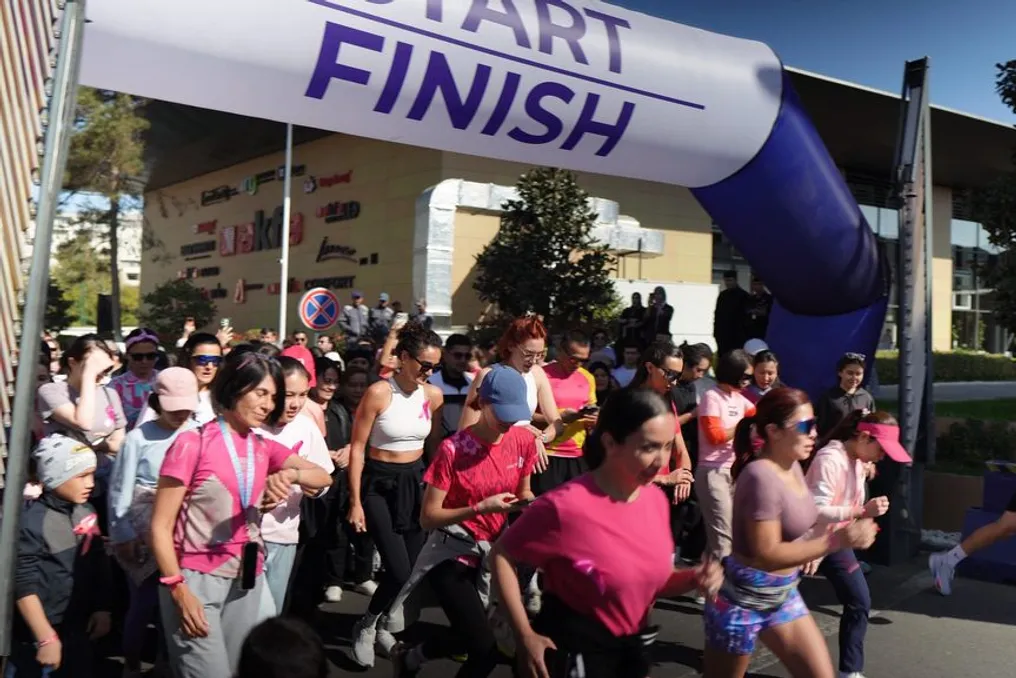
The event PINK UNITY RUN 2026 took place in the 'Ashgabad' city park as part of 'Pink October'—a month dedicated to breast cancer awareness. Diana Bakman initiated this run, having personally faced breast cancer, and emphasized the importance of timely medical care and support.

This charitable initiative, founded on Diana Bakman's personal experience, annually gathers people to discuss issues of women's health and mutual aid. The event was organized by Diana Bakman together with Deepanwell, with the support of the United Nations Population Fund (UNFPA) in Uzbekistan and the Khokimiyat of the Yashnabad district. Official support was provided by the Tashkent City Health Department and the Research Center for Public Health Analysis.

The run attracted about 450 participants, including women with oncological diseases, their relatives, medical workers, volunteers, and residents of Tashkent. They were united by the desire to support women fighting breast cancer and demonstrate solidarity.

Breast cancer remains a serious public health issue. According to international data, approximately 2.4 million new cases of this disease were registered worldwide in 2024, and about 694 thousand people died from it. Breast cancer is also among the most common oncological diseases among women in Uzbekistan.

October is dedicated every year to raising awareness about breast cancer. The international 'Pink October' campaign focuses on the need for early detection, timely consultation with doctors, and providing support to women with such a diagnosis.

In Uzbekistan, in accordance with Decree of the President of the Republic of Uzbekistan No. PP-402 dated November 22, 2024, the state Program for controlling cervical and breast cancer for the period 2025–2030 is being implemented. This program aims to improve screening, early diagnosis, modernization of medical services, and raise public awareness.

PINK UNITY RUN 2026 combined aspects of charity, physical activity, medical education, and social solidarity. Participants were offered distances of 3, 5, and 10 kilometers, which could be completed either by running or walking. Alternative ways to participate were provided for families with children and people undergoing treatment.

Medical specialists worked in the park, providing free consultations and examinations, including mammography, ultrasound diagnostics, as well as vision and heart condition checks. In the special Health Corner zone, participants received information on disease prevention, the importance of regular check-ups, and a healthy lifestyle. The program also included musical performances, dances, and prize giveaways from partners.

One of the key objectives of the run was to raise funds to finance surgical treatment for women in need of medical care.

This year, the initiative was supported by the United Nations Population Fund (UNFPA) in Uzbekistan. UNFPA has been working in the country for over thirty years, contributing to strengthening the healthcare system, expanding access to quality medical services, and supporting national efforts to protect reproductive health.

For the second consecutive year, UNFPA, together with local partners, participates in implementing Presidential Decree No. PP-402, organizing educational events concerning the prevention and early detection of breast and cervical cancer. Within PINK UNITY RUN 2026, UNFPA provided organizational and informational assistance, including support in attracting young volunteers and conducting educational campaigns.

PINK UNITY RUN 2026 became a symbol of unity, shared responsibility, and mutual support. For some participants, it was an opportunity to support a loved one, while for others, it was a way to express solidarity with those battling the disease or those who have already overcome it. Every step taken symbolized hope and support, reminding that behind every diagnosis is a person with plans and a family, and timely diagnosis and healthcare are of immense importance.

Woman shares her experience after bariatric surgery: diet consists of 10 food pieces
Read more
www.aajtak.in

Woman shares her experience after bariatric surgery: diet consists of 10 food pieces

Obesity is becoming a serious public health problem nowadays, and many people turn to expensive and large-scale medical solutions, such as bariatric surgery. However, patients have very different experiences after this operation—from positive to extremely negative.

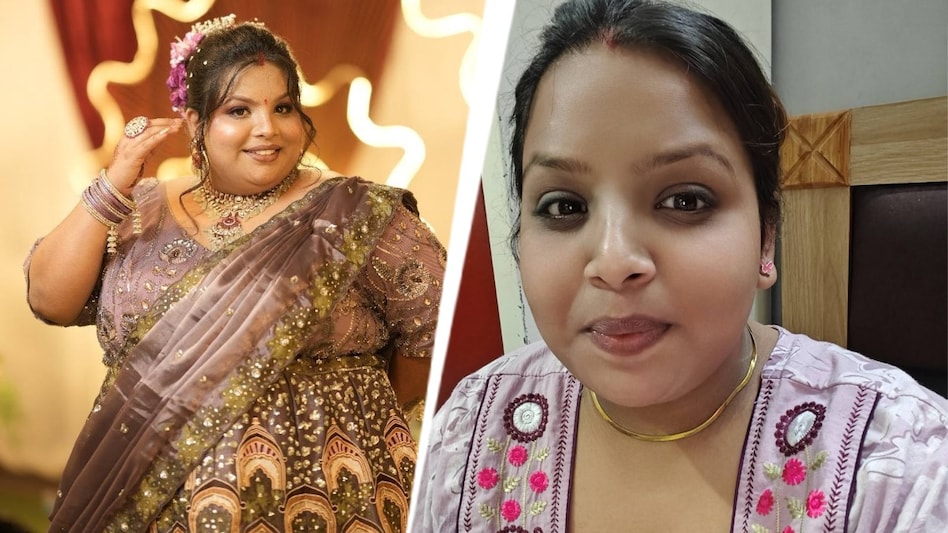
Apurva Prakash Mukki, who underwent bariatric surgery this year on July 17, openly shared her journey and painful experience. She described her transition from sleeve gastrectomy to subsequent health problems, as well as explaining why she made the decision and what consequences she had to endure.

It is important to emphasize that the purpose of this report is not to spread misconceptions or fears about any treatment or surgery. This material represents solely the personal and authentic experience of the patient, which we convey through Apurva's stories.

Apurva Prakash Mukki began her story by mentioning that her weight reached 105 kilograms three years after her wedding. She reported that recently, on July 17, 2026, she underwent bariatric surgery upon the recommendation of doctors. She intends to share her experience and difficulties with those struggling with obesity to clarify whether this surgery is worth it.

For those unfamiliar with bariatric surgery, Apurva explained that there are several types of such operations. Among them is sleeve gastrectomy, where 80% of the stomach is removed (fat is not removed, as many confuse the stomach and fat). Another option is mini-bypass surgery, where 20% of the stomach is cut, a small pouch is formed and connected to the intestine, and the remaining part of the stomach is simply diverted but not removed.

In January 2025, during a full medical examination, she was diagnosed with diabetes, cholesterol, and fatty liver disease, which gradually progressed. This contributed to weight gain. Since she gained significant weight after marriage, the main cause was consuming fatty and fried food, and she did not pay proper attention to her health. The situation worsened in 2025, and in 2026, the problems grew further.

Over time, she developed sleep apnea, causing blood oxygen levels to drop by 80–90% during sleep, which significantly increased the risk of heart failure. In 2025, she tried to change her lifestyle by walking 10,000 steps daily. However, as soon as she started improving slightly, the weight returned. Diet and other courses also did not yield significant results.

Later, last year, advertising for bariatric surgery frequently appeared on her Instagram page. Initially, she hesitated due to fear of pain and complications. Since the total cost of the operation reached 400 thousand, and it was expensive, the financial issue made her give up the idea last year. But this year, the ads reappeared, and she decided to proceed. After visiting a clinic in Merat, she was informed that her body mass index (BMI) was very high and her height was insufficient, so the operation would be the best choice for her. After that, she convinced her husband and father of the necessity of the procedure.

Immediately after the operation, numerous difficulties began for her. Liquid stools appeared on the third day, leading to diarrhea. Since then, she has suffered from constipation. For the first month, she ate only water because her body did not accept liquid or semi-liquid food. Problems arose that were not disclosed to her beforehand, and she realized that people tend to show only their best qualities.

After a month, she was gradually transitioned to solid food. After that, her life seemed to collapse, as any food eaten caused immediate swelling and fluid retention throughout her body, and doctors refused to acknowledge this. Eventually, she changed both her doctor and dietitian. Her condition has slightly improved now. After the operation, her appetite has significantly decreased, and she cannot eat more than ten pieces in one meal. Furthermore, food no longer brings pleasure, and her stomach resembles that of a one-year-old child.

Apurva advises no one to undergo this surgery unless there is a real emergency. She asserts that no doctor will ever fully disclose your most difficult case; they will only show their best side.

Doctor quit job to create platform to help over 100 NGOs find funding and volunteers
Read more
thebetterindia.com

Doctor quit job to create platform to help over 100 NGOs find funding and volunteers

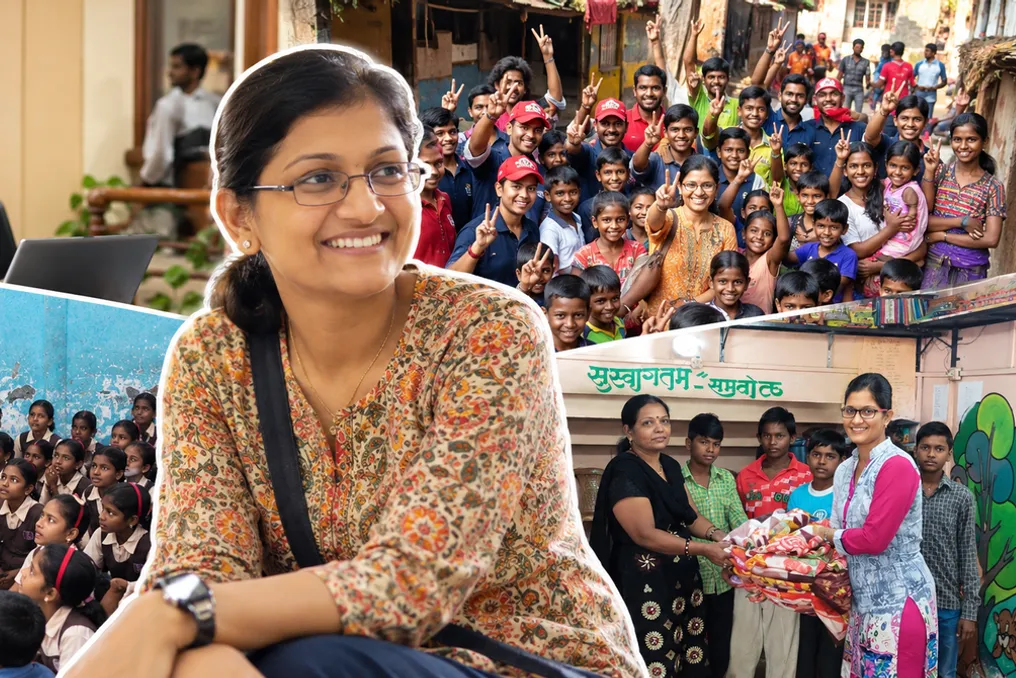
After a child battling cancer stopped receiving treatment due to the family's financial difficulties, medical student Kushbu Taori Modi learned about the situation. Together with a friend, she found the child, brought him home, and mobilized students and other people to raise funds, as well as collect blood and platelets. Thanks to this, the child survived.

This experience showed Kushbu that people are willing to help, but those in need of support often lack the opportunity to find that help. Years later, working as a government healthcare worker in Thane and volunteering in local groups, she encountered the same problem: organizations struggled to secure funding and volunteers, while willing helpers did not know where to start.

In February 2024, after nearly ten years of public service, Kushbu decided to investigate this issue, leaving her stable position. Her goal was to strengthen existing charitable organizations, not to create a new NGO. Thus, the idea of SewaConnect was born—a free platform that connects verified social organizations with volunteers, specialists, donors, CSR partners, and with each other.

The platform has already supported over 100 organizations, facilitated more than 50 joint NGO projects, and established 50 CSR and community partnerships. Through it, over 100 million rupees have been attracted in the form of CSR funding, and over 100 volunteers have been connected.

Kushbu, who is now 40 years old, grew up in a middle-class family in Wardha, Maharashtra. As early as age six, she was actively interested in news, history, and social issues. She was particularly concerned about tobacco and addiction. As a child, she would sometimes find packs of tobacco in people's pockets and throw them away, believing she was helping them quit smoking. She notes that this seemingly trivial episode might have been the beginning of her lifelong commitment to tobacco dependence prevention.

Initially, she wanted to study law, like her father, a criminal lawyer. However, encouraged by her family, she enrolled at Indira Gandhi Medical College in Nagpur in 2003. She earned an MBBS degree in 2009, followed by an MD in Public Health at Topiwala National Medical College and BYL Nair Hospital in Mumbai in May 2013. Working in government hospitals allowed her to see the connection between health, poverty, education, livelihood, and social support.

Why she left her beloved job

In August 2014, Kushbu began working at the Municipal Corporation of Thane as a first-class government healthcare employee. She held positions as a healthcare worker, school health officer, city tuberculosis officer, and COVID-19 coordinator, working in disease control, administration, training, and public health programs. As the city tuberculosis officer, she observed how CSR partnerships could strengthen public health, as CSR support helped implement advanced diagnostic equipment, improving access to rapid tuberculosis detection and treatment.

During the pandemic, she also participated in creating a bed management system in Thane, which received national recognition. She emphasizes that the state is capable of having a large-scale impact, and well-planned policies or programs can benefit thousands, and sometimes hundreds of thousands, of people, continuing to be useful long after the initiators leave.

Besides her main job, Kushbu continued to volunteer and visit local organizations, something she had done since her student days. In places like Gadchiroli, she encountered approaches that could be replicated in other regions. Thoughts on systems and collaboration were shaped by Abhay Banga, Ashish Chaturvedi, Avinash Choudhary, and the work of Hedgewear Hospital.

She repeatedly came across groups lacking visibility, volunteers, professional expertise, or funding, as well as people who wanted to help but didn't know how. She concludes that this was not an isolated incident, but rather a pattern she had seen for years.

Conversations existed before the website

Kushbu spent the following months visiting various organizations, carefully listening to their teams, and understanding their needs. Initially, she explored collaborating with existing platforms such as GiveIndia, iVolunteer, and ConnectFor. However, she discovered a gap: local organizations and volunteer groups needed ways to find advocates and interact with each other.

Around November 2024, her team began developing SewaConnect through social media, gathering information and building connections. The website itself appeared later. Kushbu stresses that SewaConnect started not with a website, but with conversations. She notes that thousands of organizations and countless people are already doing incredible work, and the problem is not always a lack of good work, but that people often work in isolation.

Popular