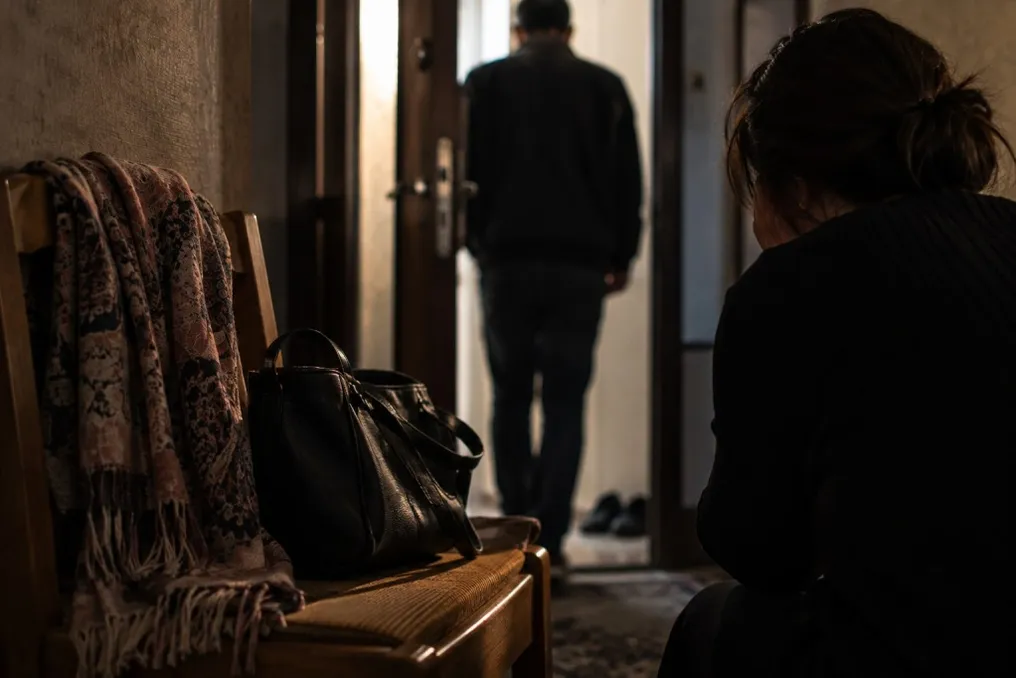
In many parts of Uzbekistan, situations are observed where young girls are married without their consent immediately after finishing school, and women live under constant control over finances and phones, which is often perceived as the norm of life. However, such cases demonstrate the diversity of forms of domestic violence that are masked by the generally accepted idea of family.
The final round table of the project 'Safety and Freedom of Women: From Allowance to Practice' was held in Tashkent. The event was organized by the Latvian Center MARTA in collaboration with the Center for Support of Civil Initiatives and gathered about 40 representatives from state bodies, public associations, and international partners. Participants summarized the results of seven mini-projects implemented in various regions, and experts shared their experiences.
How to fight domestic violence trends
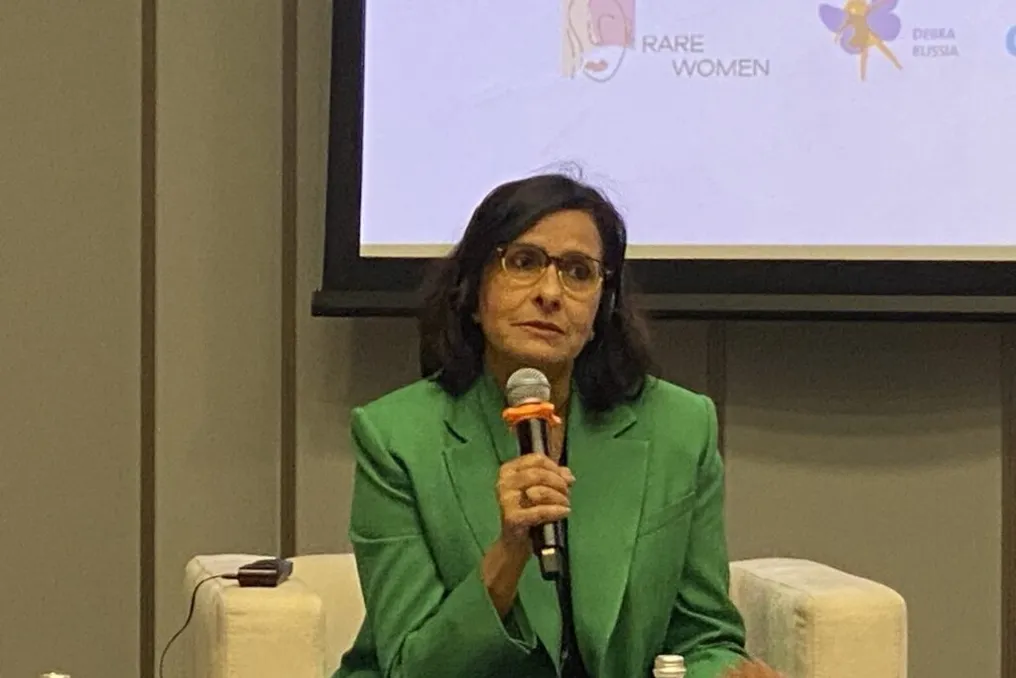
Iluta Lace, a representative of the MARTA Center, noted that the project aims to ensure women's safety both in public places and at home. The organization has been cooperating with Uzbek colleagues since 2009. Despite changes in legislation and the emergence of support services, Lace emphasized that a law alone is not enough. It is extremely important for women themselves to be able to recognize violence and know where to seek help.
The expert also stressed the need to train specialists who work with victims so that they can distinguish psychological violence from ordinary family disputes and not accept threats, pressure, or control as something normal. Before starting regional initiatives, participants discussed problems with local experts, taking into account local views on family, and developed methodological guides. Trained organizations then tested these approaches in practice, working with a wide range of people: women, adolescents, students, men, social service employees, and law enforcement officers.
Invisible violence and the cycle of aggression
The central theme of the round table was violence that is difficult to notice from the outside. While physical violence is often obvious, prolonged prohibitions, humiliations, isolation from relatives, and control over money and phones can be perceived for years as part of the usual family life. Psychological, economic, and digital violence often goes unnoticed even by those who experience it.
Iluta Lace recalled the mechanisms of control and the cycle of violence, which includes a reconciliation phase after threats and cruelty. Therefore, the question 'Why won't she just leave?' is rarely a correct starting point. Leaving can pose a special danger, and the woman needs not an assessment of her action, but a risk analysis, a safe action plan, and coordinated work of several services.
The expert emphasized that the responsibility for violence lies solely with the perpetrator, and it cannot be shifted onto the victim by citing her character or desire to save the family. At the same time, the specialist must clearly understand their limits: depending on the situation, either legal consultation, medical assistance, intervention by internal affairs bodies, or support from social workers and 'Inson' centers is required.
Participants also discussed the emotional burden on consultants, noting that without professional support and interaction with colleagues, they risk burnout.
Engaging men and expanding the audience
Representatives of regional projects shared their experiences. For example, in the Yangi-Namangan and Davlatabad districts of Namangan region, it was found that families often arrange engagements for daughters when they are in the eighth or ninth grade, while the opinion of the girls themselves is ignored. For some parents, continuing their daughter's education is not a priority; their plan is for the daughter to finish school and get married.
However, during consultations, the girls voiced different goals: they aimed to receive tutoring help, enter university, learn a new profession, or start their own business. Specialists concluded that it is impossible to talk about protection from violence without addressing the girl's right to choose her future. If decisions about marriage and education are made by others, economic dependence is formed long before the wedding.
The women themselves suggested including their husbands in the project program. Organizers began involving imams and discussing with families the possibilities for girls to study, work, and independently manage their earnings, and these topics were even raised during Friday sermons.
In parallel, specialists provided women and girls with skills to increase their independence. 150 people who had experienced violence or were at risk participated in baking and national crafts courses. According to the organizers, about 30% of these participants were able to start their own small businesses or work for themselves, which, although it does not solve all family problems, gives the person greater freedom in decision-making.
Furthermore, seminars on violence prevention were held for more than 600 schoolgirls. Educational events reached 750 residents, and legal and psychological consultations were received by over 400 people, while informational materials were distributed among 2,500 people.
Forming the right view of norms
The Samarkand organization 'Rahmatdillik' chose a different method of preventing violence before a crisis occurs. Organization staff went beyond their usual audience and started working in the schools of Pastdargomsky and Paxtachinsky districts. Initially, they interacted with teachers and school psychologists, discussing the formation of gender perceptions and issues of violence. Then, educators conducted classes for both boys and girls. Lawyers provided consultations, and prepared brochures were passed to parents through their children.
This approach allows the issue to be raised before the victim requires emergency assistance. In the school environment, respect, personal boundaries, and the right to make independent decisions can be discussed even before young people start families. Project participants emphasized that the goal is not to frighten children with a list of crimes, but to teach them not to consider coercion, humiliation, and control as the norm.
Recognizing violence through others' experiences
Zulfiya Khaydarova, head of the information and consulting resource center 'Yuksalish' from Kashkadarya region, spoke about how little young people are aware of the forms of violence. Her team worked with eight universities and found that not all young people know where to turn or what to do if someone they know has experienced violence.
It turned out during the trainings that some participants had themselves experienced violence, including sexual violence. During such sessions, female students cried or left the room because the discussion brought up memories of their personal experiences. Working with youth and families requires changing not only knowledge but also established ideas about the role of women. In Syrdarya region, organizers began by refuting stereotypes often used to justify inequality, such as 'A woman's place is in the kitchen' or 'A married daughter is a severed branch.'
The project representative explained that she often heard these phrases in trainings and everyday conversations. Therefore, the team decided to reach out to groups usually excluded from such meetings: military personnel, law enforcement officers, and men in correctional facilities.
Dialogue about violence in informal settings
In Andijan region, the organization 'Hamroh' chose a format that allowed the conversation to begin in an environment where the topic of violence was viewed with suspicion. The team worked in Andijan, Altynkulsky, and Markhamat districts. Observations showed that traditional views on family and women's dependence on relatives hindered open discussion of violence. It was difficult to bring residents to official seminars: some considered such talks useless, while others feared the word 'gender'.
Activists organized meetings in the familiar mahalla format—with tea parties, plov, and cultural programs. During the discussions, issues of family restrictions, women's rights, and religious interpretations sometimes used to justify coercion were raised. Gradually, dialogue was established, primarily with men, fathers-in-law, and older relatives. Lawyers, representatives of religious communities, and specialists capable of answering questions without mutual accusations were invited to these meetings.
During this work, the story of a woman who was afraid to leave home even for treatment was heard. Her husband warned her that if she left home to earn money in Russia, she would be considered 'triple divorced.' The woman remained in his family's home and avoided violating this prohibition. When she became ill and needed medical attention, she refused to go to the doctor for fear of divorce.
At the closing session of the round table, participants discussed proposals to improve the legal framework, work with aggressors, interdepartmental response, and NGO cooperation with state structures. Although hundreds of consultations, thousands of distributed materials, and dozens of sessions were noted, similar questions kept arising: will a schoolgirl be able to refuse an imposed engagement, will a woman be able to leave a dangerous relationship, will a student telling about her experience be heard? It is necessary not just to inform a woman of her rights, but to provide her with the opportunity to use them.