Cell Technology Center to be Established in Uzbekistan for Drug Development Based on Living Cells
Read more
Podrobno.uz [uz]
podrobno.uz

Cell Technology Center to be Established in Uzbekistan for Drug Development Based on Living Cells

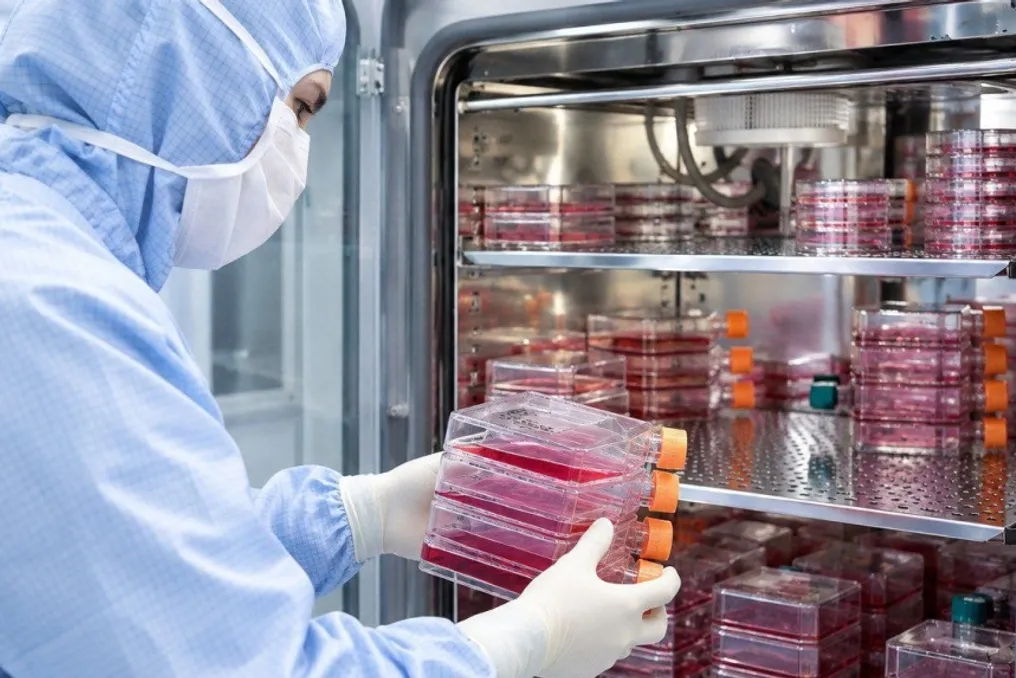
Uzbekistan plans to establish a cell technology center named BIOME. This center is envisioned as a comprehensive platform covering the entire workflow: from working with cells and conducting research to production and subsequent application in medical institutions. The main goal of the project is to transform Uzbekistan into one of the world's leading centers for cell therapy.

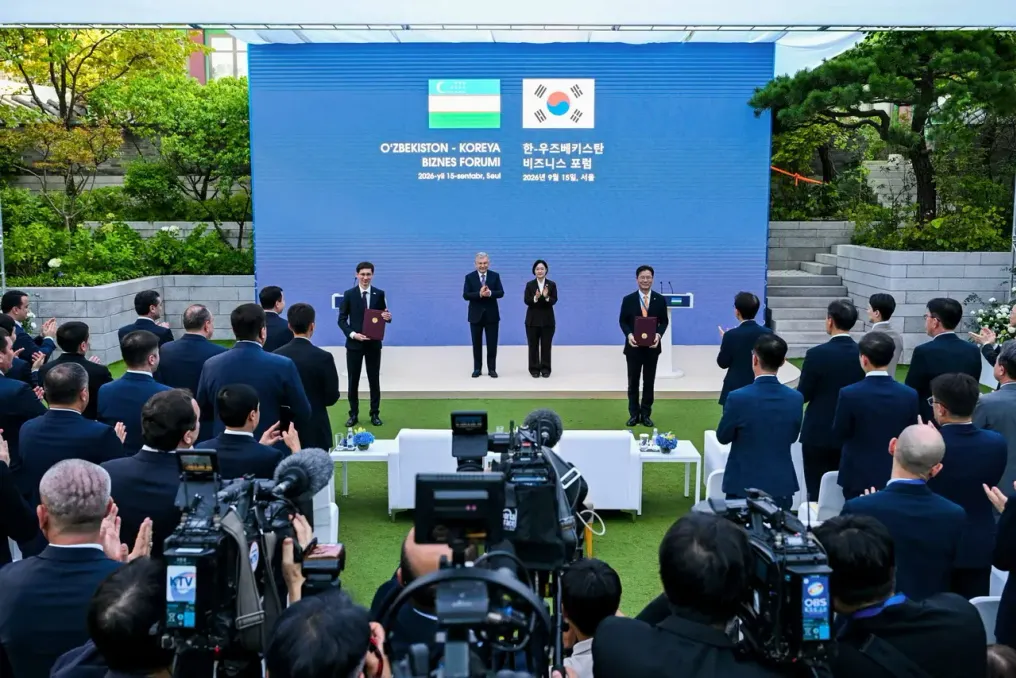
According to information provided by the country's Academy of Sciences, a memorandum on the establishment of this center was signed in Seoul with the participation of the heads of state of Uzbekistan and Korea. The initial idea for the project arose at the Advanced Technologies Center, where work on its implementation has already begun.

BIOME represents an integrated ecosystem that combines biomedical data, genomes, and the cells themselves. Cell-based technologies allow for the development of pharmaceuticals from living cells, which are used to treat tumors and regenerate damaged tissues. For such a system to operate successfully, it requires modern laboratory equipment, high-quality cellular raw materials, production capabilities, data processing power, and close interaction with clinical institutions.

A biobank will be formed within the framework of the project to collect collections of cellular material. Genomic studies are intended to ensure the safety assessment and characteristics of cell lines, while bioinformatics, together with artificial intelligence, will ensure the integrity of the entire system.

The Advanced Technologies Center already operates the first stem cell bank in Uzbekistan, containing over 1,200 samples. These cell products are used in burn treatment, as well as in ophthalmology and maxillofacial surgery. Furthermore, a drug based on NK cells has been developed there to combat oncological diseases. Concurrently, the '1000 Genomes of Uzbekistan' project is being implemented, which includes data from over 1,200 participants. The new center is designed to unite all these areas into a single infrastructure.

It was previously reported that during the visit of Uzbek President Shavkat Mirziyoyev to South Korea, the parties reached an agreement to give new impetus to their special strategic partnership. During this trip, the Uzbek side also proposed to Korean companies to increase their investments in Uzbekistan and participate in its technological development.


Similar stories

New State Registration System for Medical and Pharmaceutical Professionals Approved in Uzbekistan
Read more
podrobno.uz

New State Registration System for Medical and Pharmaceutical Professionals Approved in Uzbekistan

A new system has been adopted in Uzbekistan to regulate the admission of medical and pharmaceutical workers to professional activities. This system will be implemented in stages, starting from July 1, 2027. By 2030, only specialists who have undergone state registration will have the right to work in their specialty.

According to the relevant presidential decree, the creation of a Unified Electronic Register is planned, which will contain data on specialists in medicine and pharmacy. Until 2030, registration will be voluntary. Specialists can register either by passing a special exam or through automatic assignment of a qualification category. The validity period of this registration will be five years.

An exception applies to specialists with over twenty years of work experience and an academic degree; they will not need to take an exam. However, starting in 2030, the rules will become mandatory, and working without the corresponding registration will be prohibited, granting the right to work exclusively to registered doctors and pharmacists.

Concurrently, starting in 2030, the system for assigning qualification categories to medical and pharmaceutical workers will be abolished. Nevertheless, categories obtained before this date will remain valid until the expiration of the established term, and corresponding bonuses and official powers will also be maintained.

A separate registration procedure will be introduced for students and graduates of medical and pharmaceutical educational institutions. Starting from the 2027/2028 academic year, this registration will be based on the results of three-stage special exams designed to objectively assess the knowledge of future personnel.

The state registration and organization of these special exams are entrusted to the Center for Qualification Assessment of Medical and Pharmaceutical Workers. For those who choose to voluntarily register before 2030, financial incentives are provided: doctors and pharmacists with higher education will receive a monthly supplement equal to five times the minimum wage, and mid-level workers will receive 2.5 times that amount.

Furthermore, starting January 1, 2027, monthly salary supplements are being introduced in Uzbekistan for a certain group of medical workers, the size of which for some specialists will exceed five million soms.

Uzbekistan's '1000 Genomes of Uzbekistan' Project to Join BIOME Cellular Technology Center
Read more
uzdaily.uz

Uzbekistan's '1000 Genomes of Uzbekistan' Project to Join BIOME Cellular Technology Center

The '1000 Genomes of Uzbekistan' project will become part of the new BIOME Cellular Technology Center being established in the country. This center will integrate research in genomics, bioinformatics, artificial intelligence, and medical product development.

A memorandum on the project's implementation was signed in Seoul on September 14th in the presence of the presidents of Uzbekistan and South Korea. The BIOME Center will be based at the Advanced Technologies Center of the Academy of Sciences of Uzbekistan.

It will serve as a comprehensive technological platform covering the collection and study of cellular material, the creation of cell products, and their subsequent application in clinical practice. A key element of the infrastructure will be a biobank for storing collections of cellular material and providing samples for scientific research.

Genomic technologies will be used to study the properties and stability of cell lines, while bioinformatics and artificial intelligence will be employed to analyze large volumes of biomedical data to identify new medical solutions.

The developed cellular technologies are planned for use in treating tumors, regenerating damaged tissues, and therapy for diseases where existing methods are insufficiently effective.

Part of the necessary infrastructure is already operational: the first stem cell bank in the country has been created at the Advanced Technologies Center, storing over 1200 samples. Developed cell products are used for treating burns, tissue regeneration, as well as in maxillofacial surgery and ophthalmology. Additionally, a drug based on NK cells has been prepared to combat cancer.

The future BIOME infrastructure will also include the '1000 Genomes of Uzbekistan' project. Within this project, data from over 1200 participants have been collected, containing approximately 10 million genetic markers. This database is used to build a genetic map of the country's population, assess disease risks, and advance personalized medicine.

The creation of BIOME will allow for the consolidation of existing developments and data into a unified scientific and technological infrastructure, expanding the scope of genomic and cellular research in Uzbekistan.

Uzbek Scientists Create Phytocomplex from Local Plants with Antioxidant Properties
Read more
podrobno.uz

Uzbek Scientists Create Phytocomplex from Local Plants with Antioxidant Properties

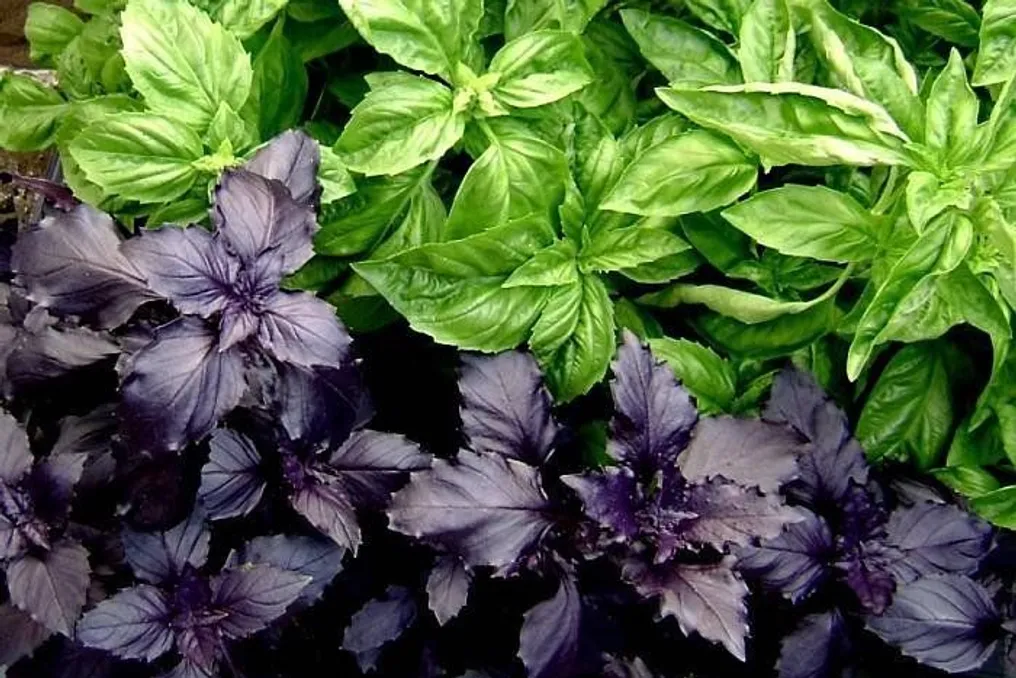
Work is underway at the Institute of Plant Chemistry of the Academy of Sciences of Uzbekistan to develop a new phytocomplex. It is planned that the basis of this complex will include extracts of basil, astragalus, and other plant species cultivated in the country.

The first samples obtained have already demonstrated antioxidant and antihypoxic properties. The project, titled 'Creation of Phytocomplexes Based on Extracts of Basil, Astragalus, and Related Plants,' is funded by the Agency for Innovative Development. The total cost of the project is over 1.4 billion soms, and its implementation is scheduled for the period from 2025 to 2027.

The research is supervised by Doctor of Biological Sciences Daniya Asilbekova. Scientists are studying various local varieties, including basil, kiyikut, arslonkulok, and different types of astragalus. Special attention is paid to the analysis of essential oils and other biologically active compounds using modern methods.

In the initial stage of work, the most promising plants were identified, and corresponding technological samples of extracts were created. Antioxidants are known for their ability to help cells defend against damage caused by free radicals, while antihypoxic qualities support cells under conditions of oxygen deficiency.

In the future, this development could potentially serve as a basis for producing goods for both the food and cosmetic industries, utilizing local raw materials. Currently, scientists continue their work, refining the composition of the extracts and confirming their activity. Previously, there was mention of the work of scientists at the Khorezm Branch of the Research Institute of Rice Cultivation on rice varieties resistant to drought and other adverse conditions.

Popular