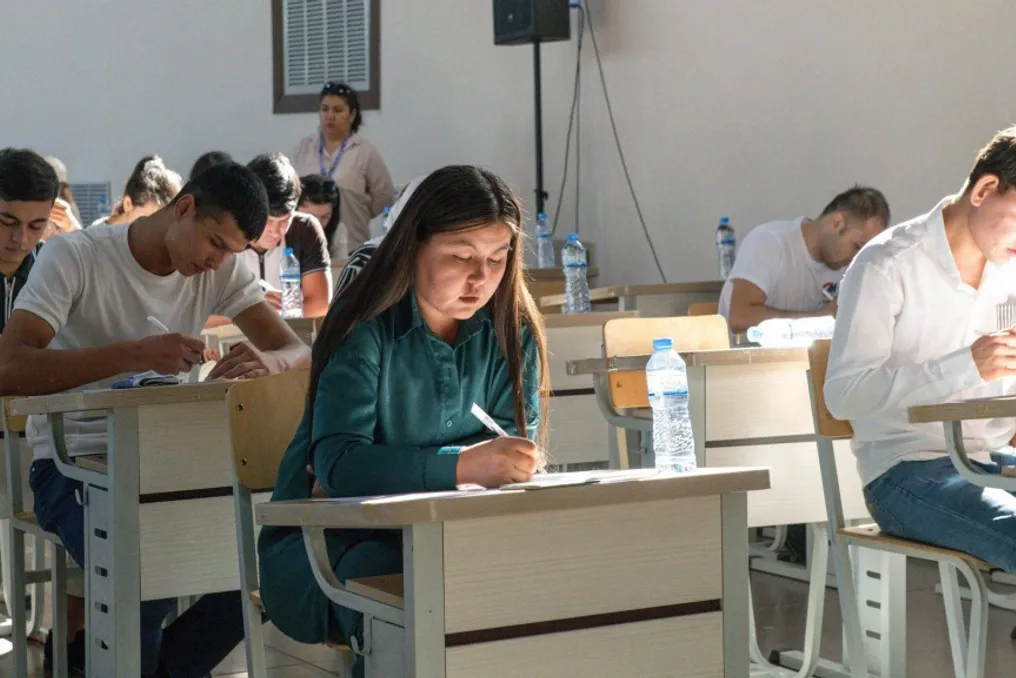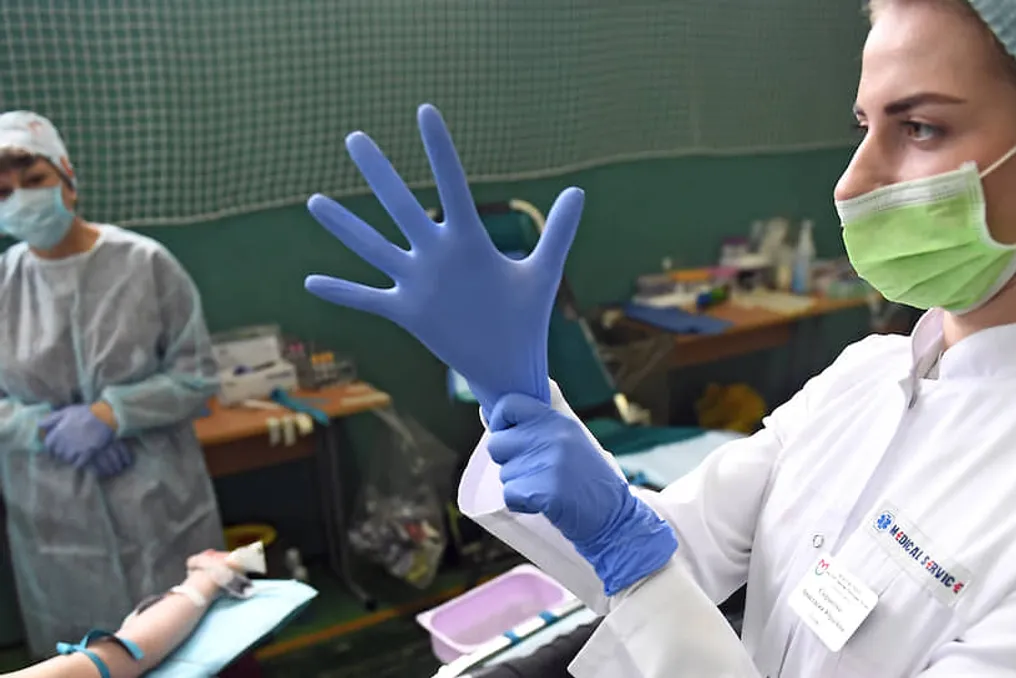
Uzbekistan has decided on a significant reorganization of the training process for both medical and pharmaceutical specialists. The new educational programs will take into account the current needs of regions and hospitals, and the residency system will be replaced by residency.
The President signed a decree establishing new measures to fundamentally improve the system of personnel training in the field of medicine and pharmacy. According to this document, starting from the 2027/2028 academic year, a six-year 'General Medicine' program will be launched based on the 'General Practice' direction under the '5+1' scheme. In the final year of study, students will be fully dedicated to practical work, after which they will receive qualification as general practitioners and be able to work as family doctors.
Students already studying in the 'General Practice' specialty will continue their studies according to the adjusted curricula and programs. Additionally, an annual internship will become mandatory for graduating students of all other bachelor's medical specialties. For dental students, placement in dental clinics at medical universities is provided for practical training.
Starting from the 2027/2028 academic year, the Ministry of Health will approve the parameters of the state order for bachelor's medical specialties. The number of available places will be determined based on the country's current and future need for doctors and pharmacists, taking into account the shortage of specialists in specific areas and the needs of individual regions and medical institutions. The analysis of personnel shortages has been assigned to the Research Center for Population Health Studies.
Another significant change concerns the transition to residency for training specialists in narrow fields. Residency in family medicine will start in the 2026/2027 academic year, and from 2027/2028, all training of narrow specialists will be transferred to this form. Admission to clinical residency will be discontinued, and some budget places in master's programs will be reallocated in favor of new programs. Upon completion of residency, graduates will receive a state diploma corresponding to Level 7 of the International Standard Classification of Education and the National Qualifications Framework.
It should also be noted that Uzbekistan maintains a benefit: children of medics and pharmacists who have worked in state institutions for at least 15 years will receive compensation for part of their tuition fees at universities.