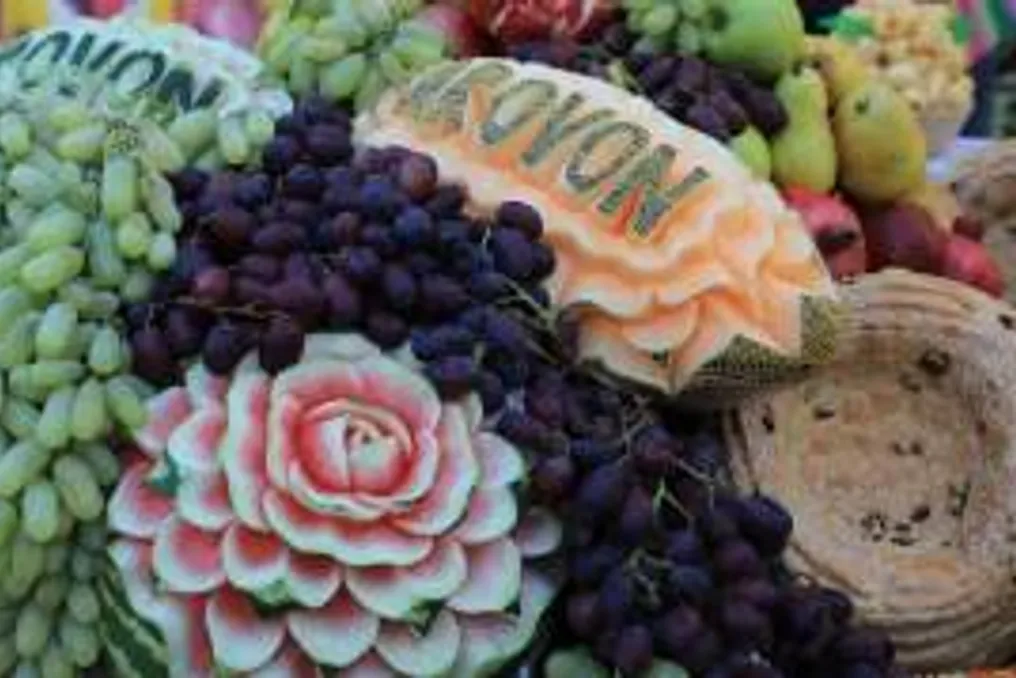
The international festival of national dishes and cultures 'Tassanno' took place in Tashkent, organized at the initiative of the Alliance of Brother Cities. The event featured national dishes, art, customs, and traditions of various peoples.
Similar stories
International Festival 'Tassanno' in Tashkent United Cultures and Cuisines of Peoples of the World
The international festival of national dishes and cultures named 'Tassanno' took place in Tashkent, on the territory of the Pavilion of National Cultural Centers. The event gathered representatives from various national cultural centers, friendship societies, as well as diplomatic missions from Turkmenistan, Palestine, Indonesia, India, Belarus, Poland, Slovakia, Azerbaijan, Algeria, Pakistan, and other countries accredited in Uzbekistan. Participants presented the features of their peoples, gastronomic traditions, and cultural values.
The 'Tassanno' Festival has been held since 2004 and has transformed over this period into a significant platform that unites the art, culture, and national cuisine of many ethnicities. Over two decades of its history, it has become an important tool of people's diplomacy, contributing to deepening mutual understanding and friendship between different peoples.
Initially, in 2004, the festival was initiated by the Council for International Relations and Friendship with Foreign Countries. The main concept was to use gastronomy and national culture to strengthen friendly relations between peoples of different states. Organizers emphasize that this is primarily a form of people's diplomacy, so there are no strict restrictions at the event. The goal is to gather everyone who shares the ideas of cultural exchange and friendship.
Today, the festival is implemented under the initiative of the 'Alliance of Sister Cities'. Embassies, national cultural centers, and friendship societies participate in it, introducing guests to their culture and cuisine. According to Zakir Obidov, chairman of the 'Alliance of Sister Cities', through culinary and cultural traditions, people gain a deeper understanding of each other, establish contacts, and draw closer.
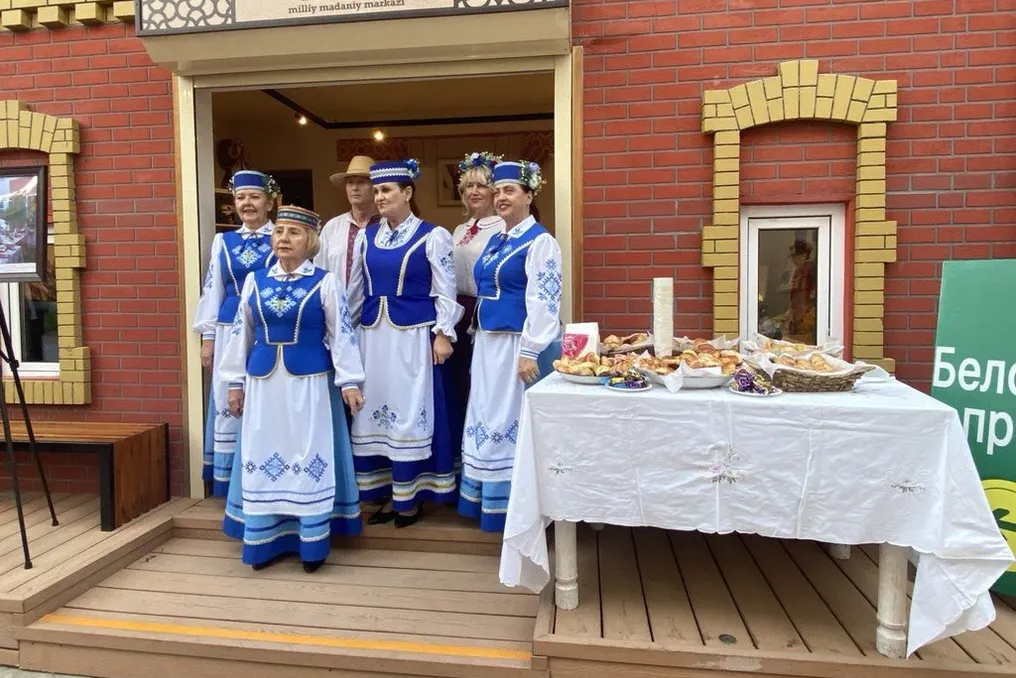
Tables laden with various dishes, accompanied by music, were set up around each pavilion. Representatives of national cultural centers welcomed visitors in traditional folk costumes. A competent jury evaluated the presented dishes based on various criteria, reflecting the history, customs, values, way of life, and hospitality traditions of the participating peoples.
Gulnar Yusupova, First Deputy Chairman of the Uyghur National Cultural Center of Uzbekistan, spoke about the richness of Uyghur cuisine. Among the delicacies is upke-hasip, which is made from lungs and sausage; the lungs are filled with a mixture of dough prepared with milk, butter, salt, and egg, and served with hasip. Jutaza, made from dough with pumpkin, carrots, or juice greens, which externally resembles khanum but has a different filling, is also mentioned. Another dish is sambosa, a type of samsa with meat filling, fried in oil. Khosha is prepared on the principle of pumpkin mantu, but then fried and steeped. Dough plays a key role in Uyghur cuisine. Traditionally, Uyghurs' kitchenware was made of wood, including kaskans and dough kneading containers, although over time wood has been partially replaced by metal, the tradition is maintained. Special chopsticks known as chuka are used for eating.
Yulia Sherakhmetova, Deputy Chairman of the Polish Cultural Center of Uzbekistan 'Svetlitsa Polska', noted that the Polish center actively participates in celebrations, presenting Polish culture in Uzbekistan. Since a significant Polish diaspora lives in the country, it is important for them to preserve and pass on traditions to the younger generation. She believes that through culture and national cuisine, one can better understand another people, emphasizing that a comprehensive approach is important: dishes, music, dances, and communication. Feasts always unite people, and such events allow representatives of different nationalities to meet and feel part of a single cultural space of Uzbekistan.
In addition to cultural centers, invited guests also demonstrated their customs and traditional treats. A photo exhibition dedicated to the history of 'Tassanno' since its founding was organized within the framework of the festival.
The main part of 'Tassanno' included presentations of national dishes from participating countries. Jury members evaluated the features of national cuisines, food preparation methods, the presentation of the national dastarkhan, and serving culture, providing viewers with a unique opportunity to learn about the gastronomic heritage of different peoples.
Alongside the demonstration of national dishes, participants presented musical and cultural performances. Folk songs, dances, and melodies demonstrated the diversity of cultures inherent in different peoples, giving the festival a unique flavor.