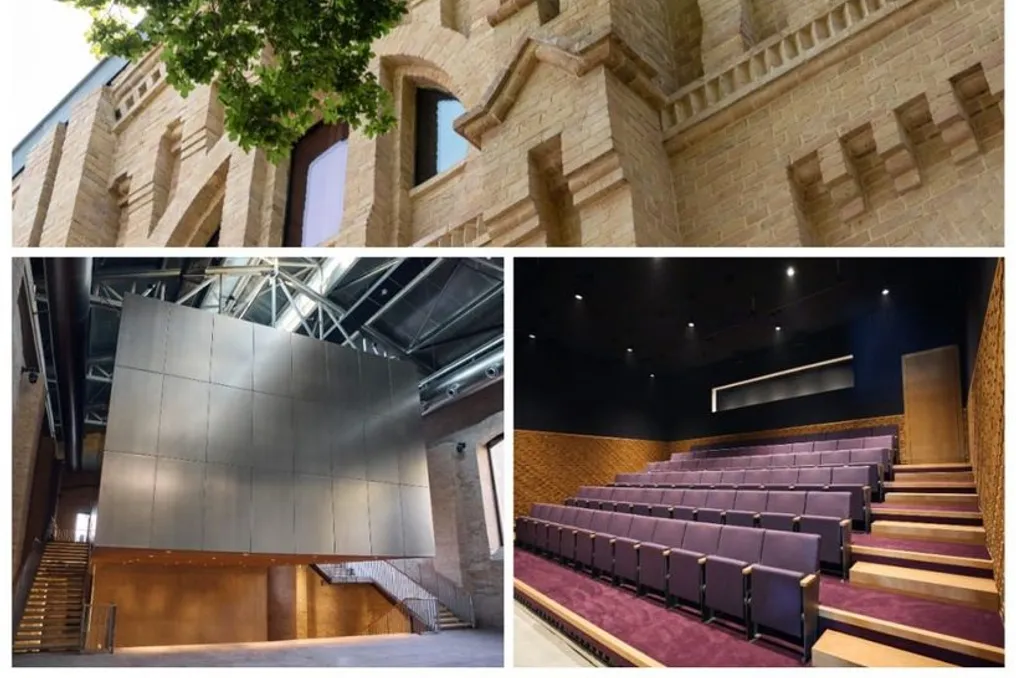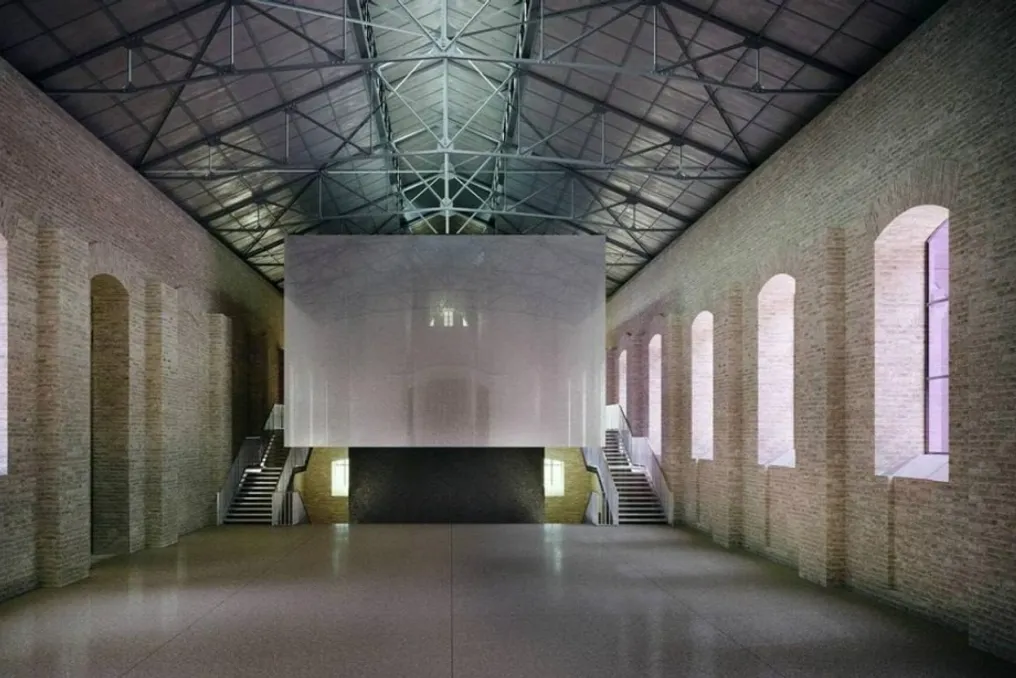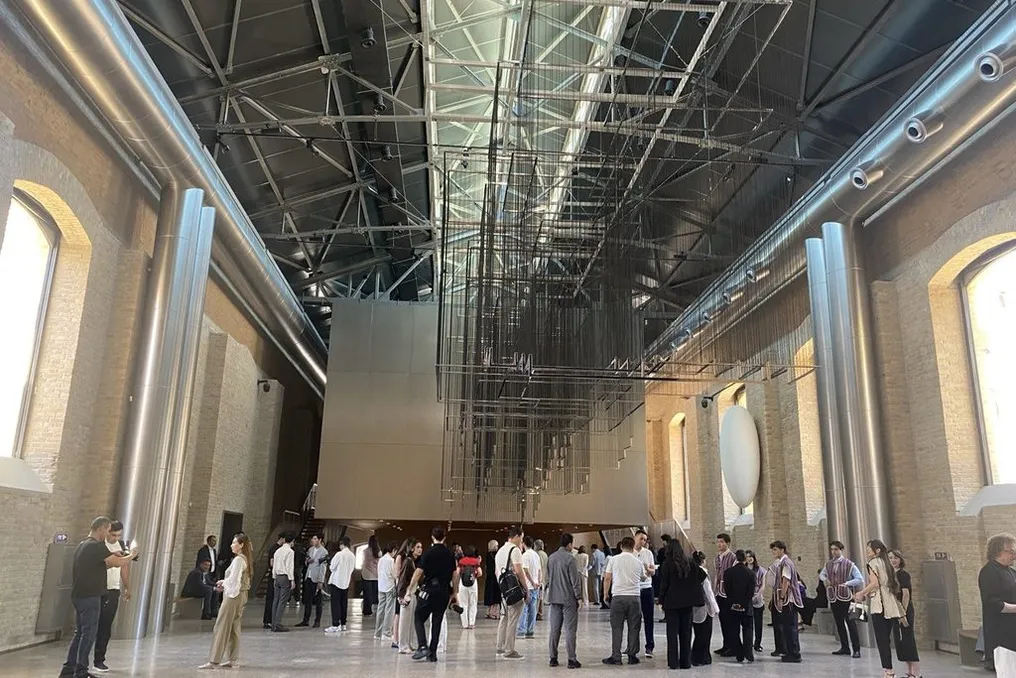
A new cultural center, the Center for Contemporary Art (CCA Tashkent), is operational in Tashkent. It is located in the building of a former diesel power plant, constructed in 1912, and is conceived as a multifunctional cultural institution. This center aims to be a gathering place for artists, creative industry specialists, curators, architects, and the general public, providing a platform for dialogue and the realization of new artistic concepts.
A distinctive feature of the project is the preservation of the historical building while integrating modern cultural functions into it. The choice of this location is due to the history of the area, where there has always been active public life, and it was important for the project creators to maintain this dynamic by transforming it into a sphere of creative experimentation.
The architects viewed the power plant as an independent participant in the process. Initially, the building was in a difficult condition: it was gloomy, abandoned, and smelled of diesel fuel. Nevertheless, despite its external decay, it possessed a distinct architectural character. The monumentality of the abandoned power plant defined the main task—to adapt it to new needs while minimizing damage to its original individuality.
The deeper the architectural studio Studio KO studied the features of the building during the architectural transformation, the more ideas emerged. The layout and distribution of various zones depended on existing elements, which can be interpreted as the building itself offering solutions that needed to be recognized. This method allowed for the harmonious combination of historical heritage with contemporary content.
The result is a space that combines the characteristics of a museum and an exhibition hall, but the concept of the Center foresees a much broader range of activities. Exhibitions, discussions, and meetings will be held here, all aimed at strengthening interaction between artists and viewers.
The chief curator of CCA Tashkent, Dr. Sara Raza, emphasized that the center should serve as a place where artists can not only display their work but also actively work and exchange experiences with the audience. She specified that the program should not be limited exclusively to exhibitions; the goal is to create a living, constantly evolving space that grows with artists, visitors, and the entire professional community.
Furthermore, the project aims to increase the recognition of contemporary art within the country and provide local artistic collectives with opportunities to interact with the international professional community.
The Center for Contemporary Art began its operations with an exhibition titled 'Hikmah'. This name comes from the Arabic word hikmah, meaning 'wisdom', and brings together works by contemporary artists. Participants in the exhibition include Mukhannad Shono, Nari Ward, Shohrukh Rakhimov, Tarik Kisvanson, Kimsuja, Ali Sherri, Nadia Kaabi-Linke, Vladimir Pan, Daribay, and Bakhtiyar Saipov. Their works explore the connection between local traditions, spiritual heritage, and modern artistic methods, presenting their vision to the viewer. The exhibition also includes a sound installation created by Sabina Inoyatova.
Dr. Sara Raza added that the 'Hikmah' exhibition is dedicated to studying new points of intersection between traditions, material culture, and contemporary artistic practices. By bringing together authors from different countries, she offers a new perspective on the concept of wisdom as a process of constant reflection on culture, art, and memory.
In conclusion, the activities of CCA Tashkent are focused on supporting artists from Uzbekistan, strengthening international cooperation, and introducing the local audience to the creativity of world masters. Concurrently, the center will promote Uzbek artists on the global stage, opening up prospects for them for research, collaboration, and participation in global art projects. For Tashkent, this marks the emergence of a new cultural attraction where art, architecture, social life, and international cultural exchange converge.