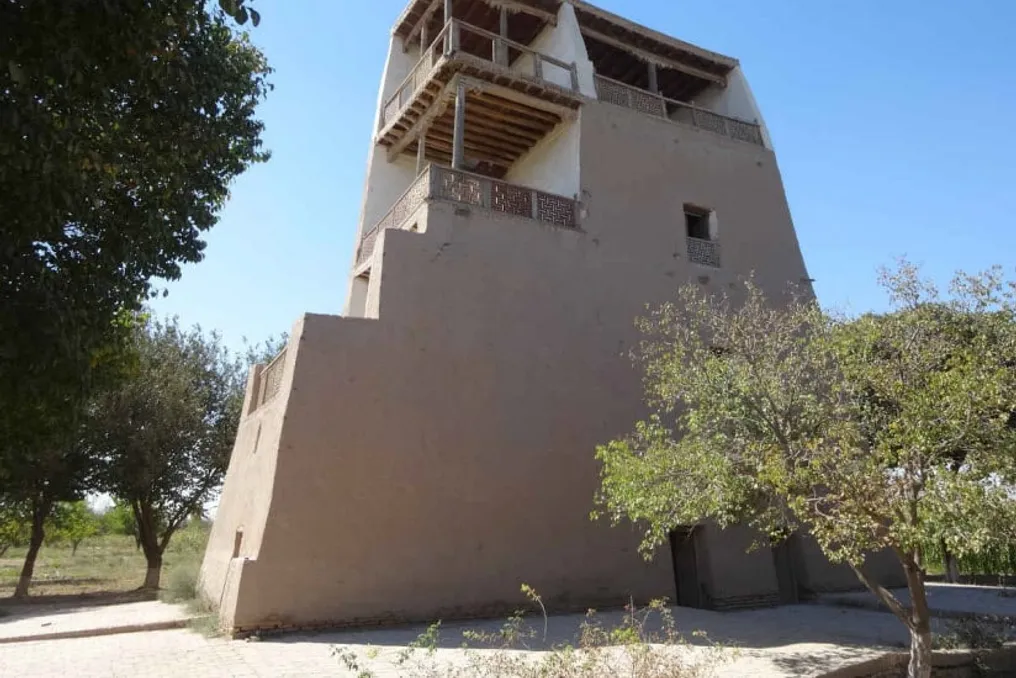
Tashkent's 'Plov Museum' is preparing to celebrate its first anniversary. Over the past year, this unique project, which combines the functions of a museum and a restaurant, has transformed from a simple gastronomic venue into a large-scale initiative aimed at preserving and promoting the country's culinary and gastronomic heritage.
There are many museums worldwide dedicated to various food products and culinary traditions—from cheese and chocolate to wine and spices. However, the value of such a gastronomic museum lies not only in displaying the product itself. It must explain the origin of the dish, the reasons for the formation of a particular tradition, as well as the natural and agricultural factors that made it possible, and also tell about the people who preserve this knowledge and how it is passed on to future generations.
This is precisely why the Tashkent 'Plov Museum' is of particular interest, as it showcases diverse regional methods of preparing plov. It is important to understand that regional plov is not just a variation of one dish; it represents specific places, products, preparation methods, and people.
The oshpazes who prepare different types of plov are closely linked to the regions from which their recipes originate. Many of these masters are themselves custodians of the relevant tradition and cook plov for local residents. Consequently, behind every dish in the museum is not just a recipe, but a living human story.
The regional identity of plov is determined not only by the cooking technique but also by the choice of ingredients, including rice, oil, and spices. Among such traditional products are zigir oil and gurub. The main feature of the project is the desire to preserve authenticity not only at the level of the recipe but also at the level of the origin of the dish and its components.
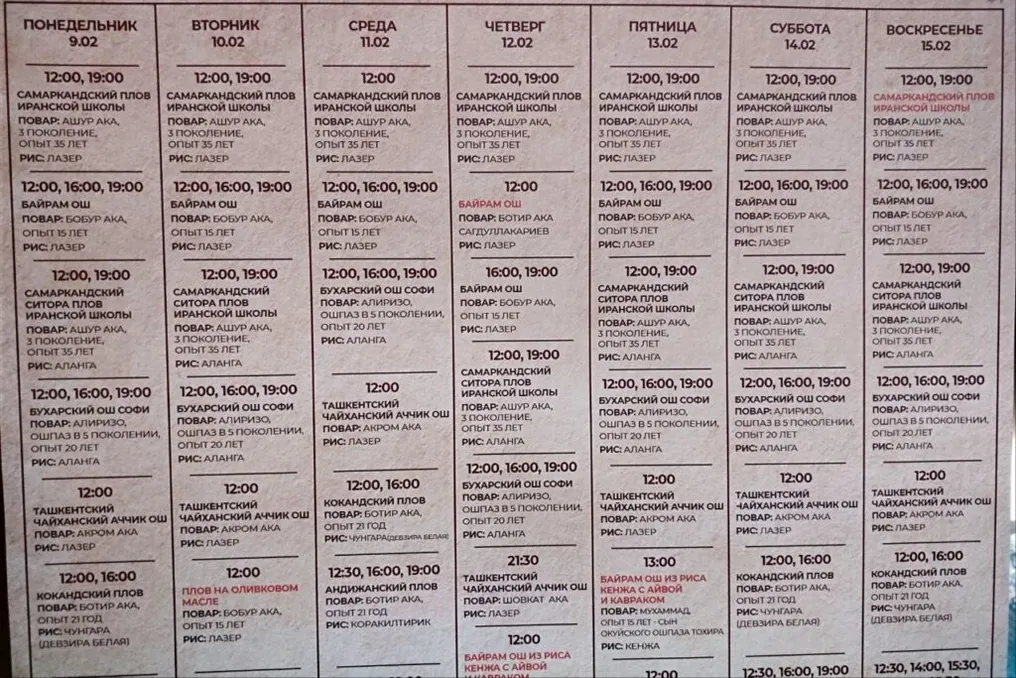
The museum uses a special form of presenting this tradition: there is a kind of 'schedule' of oshpazes' work, which allows guests to find out in advance which master and which regional variant of plov will be presented on a given day. Thus, an interesting fusion is created between museum exhibition, living gastronomic tradition, and tourist experience, which aligns with the concept of the 'experience economy'. The visitor receives not just a serving of plov, but also learns about who cooks it, finds out the history of the dish, studies the region's features, and connects taste with a specific culture and territory.
As part of the joint venture between the 'Plov Museum' and the 'Tasty Uzbekistan' project, gastronomic tastings have been organized, dedicated to combining various regional types of plov with Uzbek drinks and local delicacies. A concept of 'Plov Pairing' has been developed, involving the tasting of several regional plovs with selected gastronomic pairings. Furthermore, a significant part of these events involves telling the story of the dish, its regional characteristics, preparation traditions, and ingredients used.
The idea goes beyond simple tasting: traditional Uzbek products, such as gurub, shinni, or various types of vinegar, can serve as independent objects of cultural narrative, including specialties from grapes. Thus, food becomes a means of describing the territory. This is likely the main value of modern gastronomic museums—their ability to preserve not only artifacts and recipes but also the memory of people, places, production methods, and traditions.
For Uzbekistan, this is particularly important because national cuisine was formed not in an abstract space, but in specific oases, valleys, kishlaks, and cities where unique varieties of rice, vegetables, and fruits existed, as well as specific recipes and dietary habits. Therefore, the 'Plov Museum' should be seen not just as a museum of one dish, but as a space revealing the broader panorama of Uzbekistan's national gastronomic heritage.
It is planned that the next project, 'Ethnographic Kishlak,' which will be announced during the Museum's anniversary celebration in mid-August of this year, will be able to take the presentation to a new level—from the exhibition of one dish to a comprehensive depiction of the lifestyle, culture, and traditions of the region. In this case, the museum will cease to be merely a place to talk about the past; it will become a space where heritage can be perceived through sight, hearing, understanding, and taste.