A new set of measures is being developed in Uzbekistan aimed at developing the social protection system. These proposals concern expanding access to education for children with disabilities, changing the approach to supporting the homeless and victims of human trafficking, and transitioning transport benefits to a digital format.
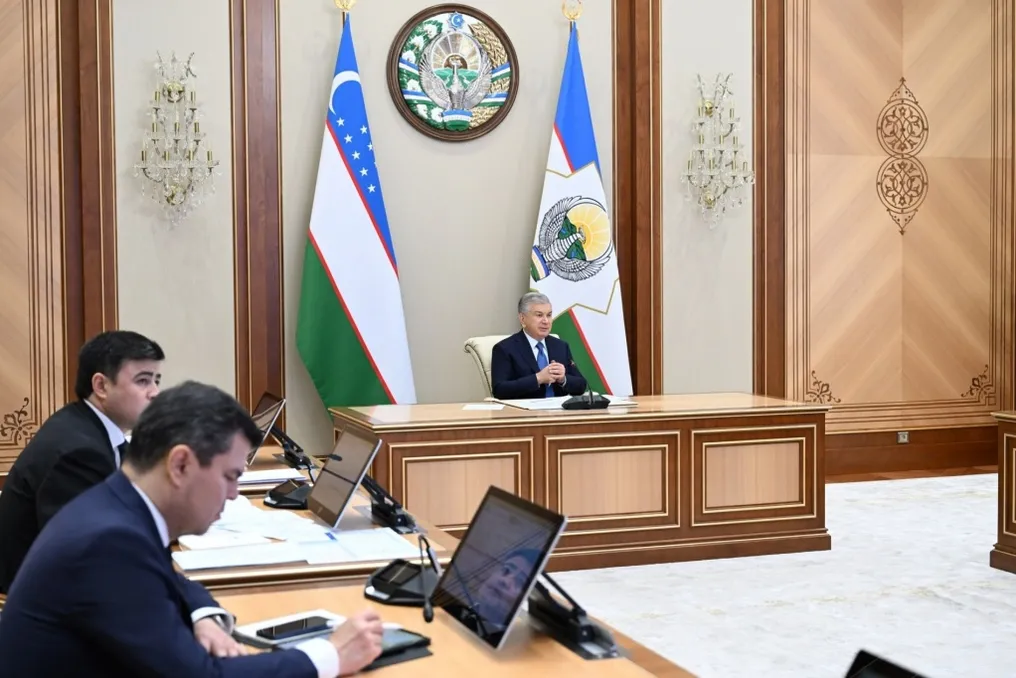
These initiatives were announced at a meeting attended by President Shavkat Mirziyoyev. It was noted that the social assistance system has significantly strengthened over the past years: the number of types of social services has increased from 23 to 140, and the annual coverage has reached 4.6 million cases, with almost half of these cases resolved at the mahalla level.
Support for Children with Special Educational Needs
Special attention is paid to children with special educational needs. Currently, there are over 168 thousand children with disabilities registered in the country, but about 34.6 thousand of them do not participate in the educational process. To eliminate this problem, targeted work with families is planned, where each child's needs will be assessed at an early stage to select optimal learning conditions. A pilot project is scheduled for October 2026 in the Khorezm and Navoi regions.
Starting from the new academic year, individual study plans will be introduced in specialized schools. Assistants and helpers will be provided to visually impaired teachers and primary school students. Private educational institutions that open correctional classes near children's residences can apply for state subsidies, and the most successful projects will be awarded grants annually.
Furthermore, starting in 2027, a voucher system is planned to provide children with necessary assistive technologies, such as Braille displays and text-to-speech devices. Additional conditions will be provided for people with disabilities during exams, including extended time, assistance from assistants, and sign language interpreters.
Changes in Working with Homeless People and Victims of Human Trafficking
The reform will also affect people without a permanent place of residence. Existing rehabilitation institutions will be converted into temporary accommodation and social reintegration centers. In these centers, people will receive support in restoring documents, receiving medical treatment, acquiring a new profession, and finding employment. Mechanisms for employment support will also be developed, including providing training vouchers and establishing job quotas.
Regarding victims of human trafficking, it is proposed to start the functioning of a system for assessing their situation through 'Inson' centers in September 2026, after which they will be referred to the relevant services. The network of rehabilitation centers for women and children will be expanded by increasing the number of available places. Concurrently, the introduction of separate criminal liability for child trafficking and restricting the activities of individuals involved in such crimes is being considered.
Digitalization of Transport Benefits
Another significant change concerns simplifying the process of obtaining discounted travel. Currently, more than 48 thousand people use this benefit, and in the future, the entire system will become fully digital. Paper travel tickets will be abolished, and the right to the benefit will be verified using an ID card or biometric passport. Starting in 2027, purchasing discounted tickets will be possible online through the Baraka mobile application.
The President approved all the proposed measures and instructed a thorough elaboration of their implementation process. Relevant agencies must now prepare all necessary documentation and ensure the gradual introduction of new social support mechanisms across the country. It should be noted that in 2025, 4.9 million applications were submitted to Uzbekistan's social protection system, more than double the figure from the previous year, when applications totaled 1.9 million.