According to the decision of the Tashkent City Council of People's Deputies, the construction of a two-tiered ring road with a length of 100 kilometers around the city is planned.
According to the decision of the Tashkent City Council of People's Deputies, the construction of a two-tiered ring road with a length of 100 kilometers around the city is planned.
The preliminary cost of this large-scale project is estimated at one billion US dollars. The project is being implemented in collaboration with the Chinese company China Railway Construction, although Gazeta.uz specified that the parties have signed memorandums of understanding, not final agreements.
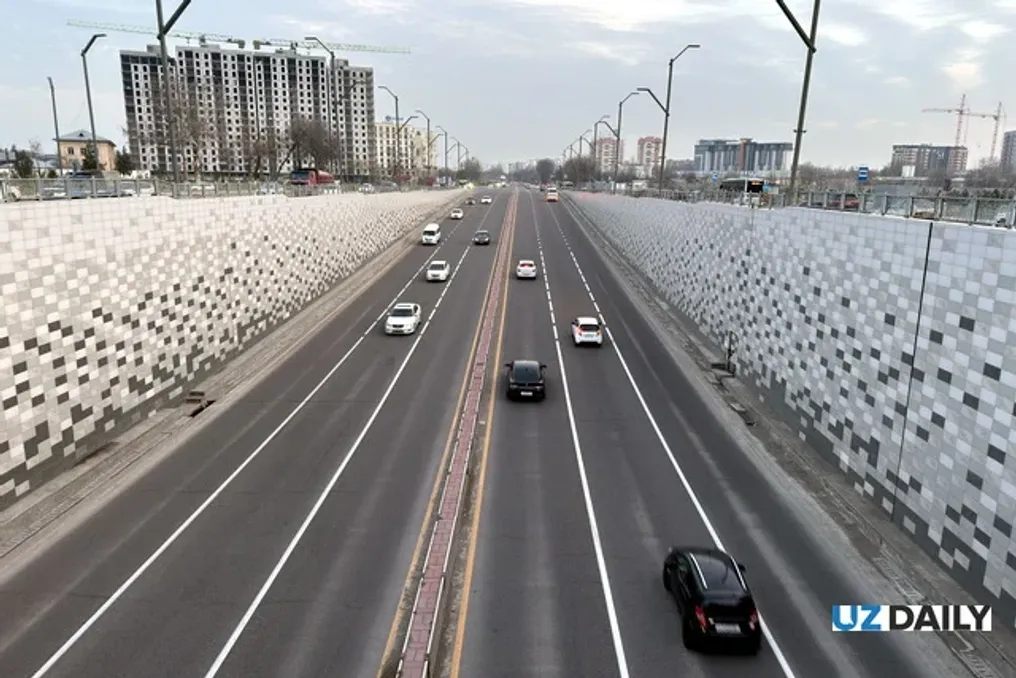
Additionally, another memorandum was signed with the Chinese company SINO-Hunan. The $1 billion project includes the construction of seven tunnels and five overpasses, the development of Bus Rapid Transit (BRT) corridors spanning 57 kilometers across 16 streets, as well as the construction and restoration of 279 kilometers of road surface.
China Construction is potentially ready to invest $500 million in the construction of four camping zones and three overpasses, as well as in the major repair of 27 kilometers of roads. A separate $100 million project with Shanghai Construction is being discussed, which involves creating a camping center and repairing 7.7 kilometers of roads.
Furthermore, preliminary agreements have been reached with Xinjiang Hui’er Agricultural regarding landscaping along the roads using landscape design projects. All these initiatives are part of Tashkent's cooperation with major construction companies and international financial institutions.
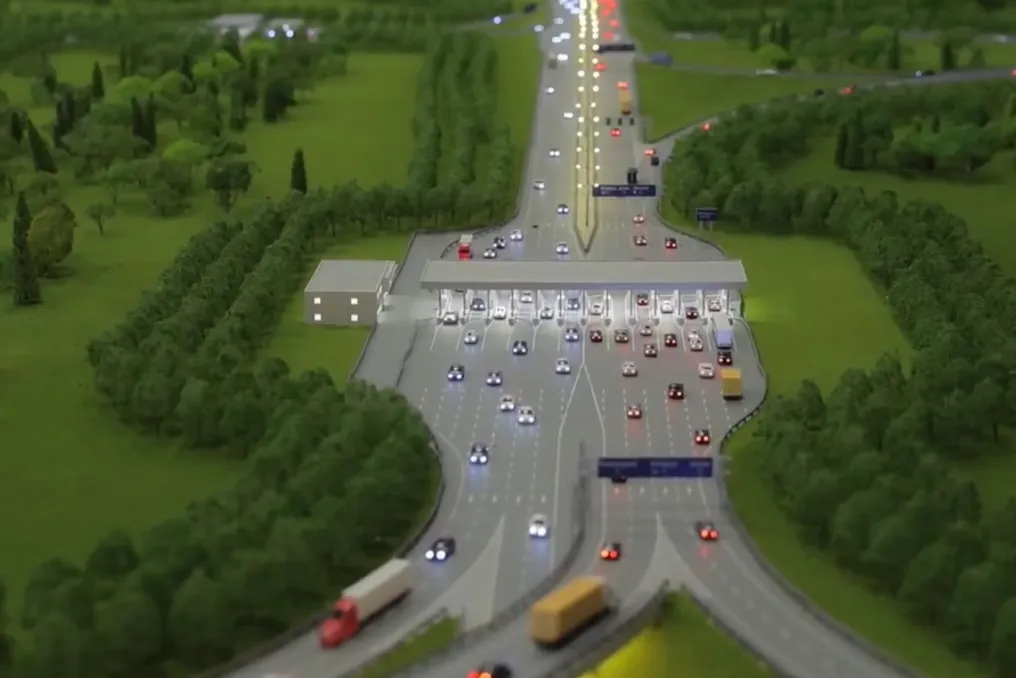
The construction of a new toll highway connecting Tashkent and Samarkand has been entrusted to the Chinese firm China Overseas Engineering Construction. The Minister of Transport of Uzbekistan, Ilhom Makhamov, discussed the role of this contractor and the two-stage project implementation scheme in an interview with the 'Uzbekistan 24' channel.
According to the head of the Ministry of Transport, the realization of this project is divided into two consecutive stages. In the initial stage, the Chinese company is obliged to fully construct and hand over the road. The second stage will begin only after construction is completed and will involve finding a partner to manage the highway as a toll route.
Once the new road is put into operation, drivers will have the option to independently determine their route, having the choice between using the toll highway or continuing along existing roads. The six-lane highway, which is 282 kilometers long, will pass through the Tashkent, Syrdarya, Jizzakh, and Samarkand regions. The project also includes the construction of over 30 bridges and other engineering structures.
Sherzod Boltayev, head of the Department of the Committee on Automobile Roads, specified that at least half of all materials used in the construction will be local resources. It should be noted that on July 22, President Shavkat Mirziyoyev officially launched the construction of this highway, which has a total cost of 2.2 billion dollars. This project is expected to have a positive impact on the economy by allowing a reduction in freight transport costs by 20–24% and increasing the gross regional product in the affected regions by approximately 3%.
A new transport interchange has been commissioned at the entrance to Tashkent, the construction of which cost 240 billion soums. This facility is located on the border of the Bektemirsky and Urtachirchik districts of the Tashkent region.
President Shavkat Mirziyoyev visited and inspected this infrastructure landmark during his trip to the Tashkent region on July 22. This was reported by the president's press service.
The new overpass was built at the intersection of the A373 highway and the Tashkent Outer Ring Road. The project utilized an area of 14.1 hectares. The complex includes a 66-meter long and 46-meter wide bridge, as well as a 450-meter long vehicular tunnel.
Two turning lanes, four underground pedestrian crossings, and a 950-meter circular exit were also created. Additionally, 9.5 kilometers of pedestrian and bicycle paths were established along the entire transport hub, eight public transport stops were installed, 240 external lighting poles were set up, and 6 kilometers of road barriers were laid.
It is expected that this facility will significantly improve the transport situation: it will help regulate traffic, increase safety levels, and reduce congestion. The capacity of this section is planned to be increased many times—up to 130 thousand vehicles daily. The president was also presented with the technical solutions of the project, and plans were outlined for launching the BRT rapid bus system on the route connecting Tashkent and Nurafshan.