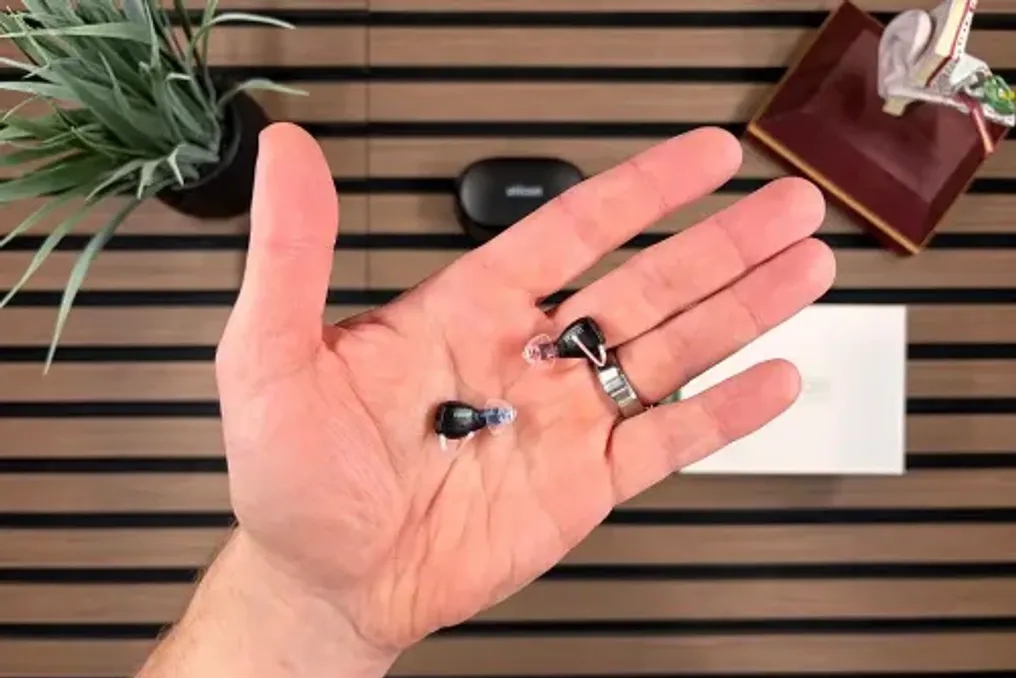
Artificial intelligence is being increasingly implemented in the healthcare sector. The new generation of hearing aids now uses machine learning to help users distinguish speech amidst noise, rather than simply amplifying sounds.
Oticon Zeal Technology
The hearing aid manufacturer Oticon has introduced its latest product, Oticon Zeal, powered by AI, to the South African market. The company claims that the device has been trained on millions of real acoustic environments, allowing it to process surrounding sounds and speech in real time.
Unlike traditional hearing aids, which primarily function as sound amplifiers, AI-supported devices analyze various listening conditions, prioritizing speech while simultaneously reducing background noise levels. According to Oticon, the hearing aid constantly monitors the sounds around the user, ensuring clearer conversations while maintaining awareness of the environment.
Expert Opinion and Approach
Hawa Bibi Mohammed, a qualified audiologist and corporate trainer at Oticon, noted that advancements in processing technologies have allowed complex auditory functions to be integrated into significantly more compact devices. She emphasized that the second generation of AI-based sound processing is designed so that users can hear conversations more naturally and clearly, even in challenging listening environments.
The company bases its technology on the BrainHearing approach, which aims to support how the brain processes sound, rather than just increasing volume. Listening fatigue is a known issue for many people with hearing impairments, especially in noisy places such as restaurants, workplaces, or family gatherings, where separating speech from noise requires significant mental effort. Manufacturers are increasingly stating that AI can help solve this problem by adapting to changing sound conditions in real time.
Functionality and Integration
The latest generation of hearing aids is becoming more integrated. Oticon Zeal supports audio streaming via Bluetooth Low Energy Audio from compatible smartphones and tablets. Furthermore, it is designed to support Auracast—an emerging wireless broadcasting technology that could potentially allow compatible devices to receive an audio signal directly from public venues like cinemas, airports, and gyms where the necessary infrastructure exists.
The device has recharging capabilities and provides up to 20 hours of operation on a single full charge, while also supporting fast charging. The release of this product reflects a broader shift in medical technology, as artificial intelligence moves beyond consumer applications, such as chatbots and virtual assistants, and penetrates the field of medical equipment, diagnostics, and patient care. Oticon is part of the international hearing healthcare company Demant Group.