Seven settlements in Brazil are vying for the title of world's best rural destinations. These communities from six states are competing for a badge that recognizes places dedicated to preserving culture, nature, and traditions.
Contest Criteria and Participants
Despite their small size, these seven Brazilian destinations possess significant cultural heritage and well-preserved nature. They were selected to represent the country at the 2026 event under the banner of the 'World's Best Tourist Villages' badge (Melhores Vilas Turísticas do Mundo), an initiative by UNWTO. The program, launched in 2021, evaluates communities with populations of up to 15,000 people that are linked to traditional occupations such as agriculture and livestock farming, while also considering aspects of natural and cultural heritage preservation.
The Brazilian destinations are competing against 261 other localities from various countries. The contest results will be announced in December during a ceremony in Buenos Aires, Argentina.
Brazil's Representation in the Contest
Araçá (Porto Belo, Santa Catarina)
In the coastal area of Santa Catarina state, the village of Araçá has just over a thousand residents. This community is located within an environmental protection zone and maintains a close connection to the sea, particularly through artisanal fishing, which impacts the local economy and gastronomy. The area also includes the Ponta do Araçá Environmental Protection Zone, which safeguards about 140 hectares of coastal ecosystems. Visitors can take walks on traditional boats and hike along coastal trails. Araçá also preserves cultural expressions, such as the Saint Thérèse Festival, recognized as intangible cultural heritage of Porto Belo, as well as generational folk traditions, like blessings and healing rituals performed by blessing women. Araçá is located 75 km north of Florianópolis, in the Porto Belo and Bombinhas region.
Conselheiro Ibitipoca (Lima Duarte, Minas Gerais)
Located in Serra da Mantiqueira, Conselheiro Ibitipoca combines adventure and contemplation. This small municipality in Minas Gerais, with about 1,100 residents, originated during the gold rush and still retains cobblestone streets, colorful houses, and buildings that help tell part of the history of the central state's settlement. In 3 km from the village is the Ibitipoca State Park, where trails lead to waterfalls, caves, natural pools, and viewpoints such as Janela do Céu, one of the region's most beautiful landscapes. The park is also home to endangered Brazilian fauna species, including the red wolf and the jaguar. Ibitipoca also preserves the Matriz Church, founded in 1768, and the Rosário Church, which point to the religious tradition of central Minas Gerais.
Delphinopolis (Minas Gerais)
Thanks to more than 150 waterfalls scattered across mountains and valleys, Delphinopolis has gained fame as the 'land of waterfalls'. Closest to Serra da Canastra, the municipality has become one of Minas Gerais' main natural attractions, combining trails, canyons, crystal-clear rivers, and protected Cerrado areas. Canastra culture is present in many aspects of Delphinopolis' daily life, from traditional Folias de Minas to the production of Minas Artesanal-da-Canastra cheese, recognized as cultural heritage. Among the waterfall locations is Complexo do Claro, which includes five waterfalls connected by a trail approximately 2.5 kilometers long.
Olambra (São Paulo)
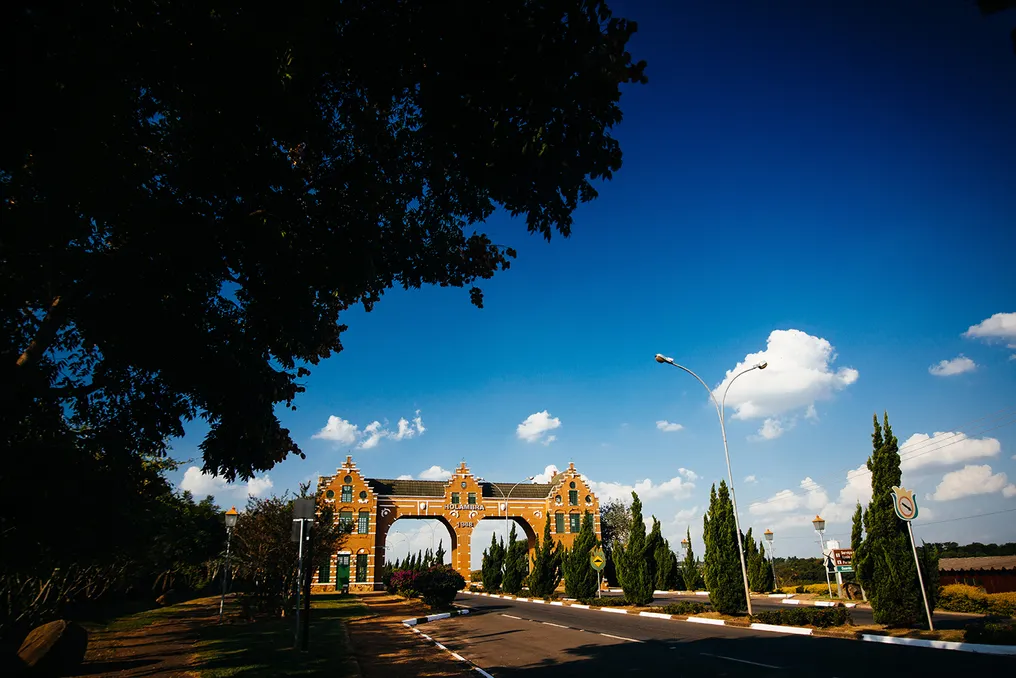
About two hours from São Paulo's capital, Olambra was founded by Dutch immigrants and has retained Dutch influence in its architecture, gastronomy, and cultural expressions. The town boasts very colorful sights, such as the Blumen Park flower garden and Masena Flores. Known as the Flower Capital, it accounts for a significant portion of Brazil's flower production and export. The blooming fields remain the main calling card, but they are not the only attraction. Facades inspired by Dutch architecture and the Munken Poos Unidos, considered the largest in Latin America, help shape the picture.
Lençóis (Bahia)
Amidst colonial mansions and nature that seems to surround the city on all sides, Lençóis is one of the most traditional gateways to Chapada Diamantina. The Bahian destination combines preserved historical heritage with attractions specifically created for eco-tourism enthusiasts. The historic center, with its cobbled streets and restored mansions, retains traces of the diamond mining period in the 19th century. From here depart trails and tours to attractions such as Sossego Waterfall and Ribeirão do Meio. Another nearby site is Morro do Pai Inácio, located 20 km from Lençóis and serving as one of the highlights of Chapada Diamantina.
São José do Barreiro (São Paulo)
In Vale do Paraíba, São José do Barreiro combines historical heritage and preserved nature. With fewer than four thousand residents, the town belongs to the so-called Historic Valley, a region in eastern São Paulo that flourished during the coffee cycle and still retains farms and buildings dating back to the 18th and 19th centuries. The municipality is one of the main entry points to the Serra da Bocaina National Park. Trails start from here leading to waterfalls, viewpoints, and peaks over two thousand meters high. The Ouro Trail, a 70 km route connecting São José do Barreiro to Mambucaba Beach in Angra dos Reis, draws particular attention, inspired by the route used to transport gold to the coast.
Vila Flores (Rio Grande do Sul)
Vila Flores builds its tourist identity in Serra Gaúcha based on the value of traditions inherited from Italian immigrants. The municipality has a population of about 3,500 people, and it combines rural tourism, typical gastronomy, crafts, and cultural expressions present in daily life. The main symbol of this heritage is the Italian Filo, a tradition that has earned the town the title of State Capital of Filo. Brought by Italian immigrants, this custom involves families and neighbors gathering after work to talk, sing, pray, tell stories, and share food. Today, this habit remains alive in the daily life of Vila Flores.