New balance registers over 6,000 deaths in Ebola outbreak in the Democratic Republic of Congo
Read more
Noticias ao Minuto
noticiasaominuto.com

New balance registers over 6,000 deaths in Ebola outbreak in the Democratic Republic of Congo

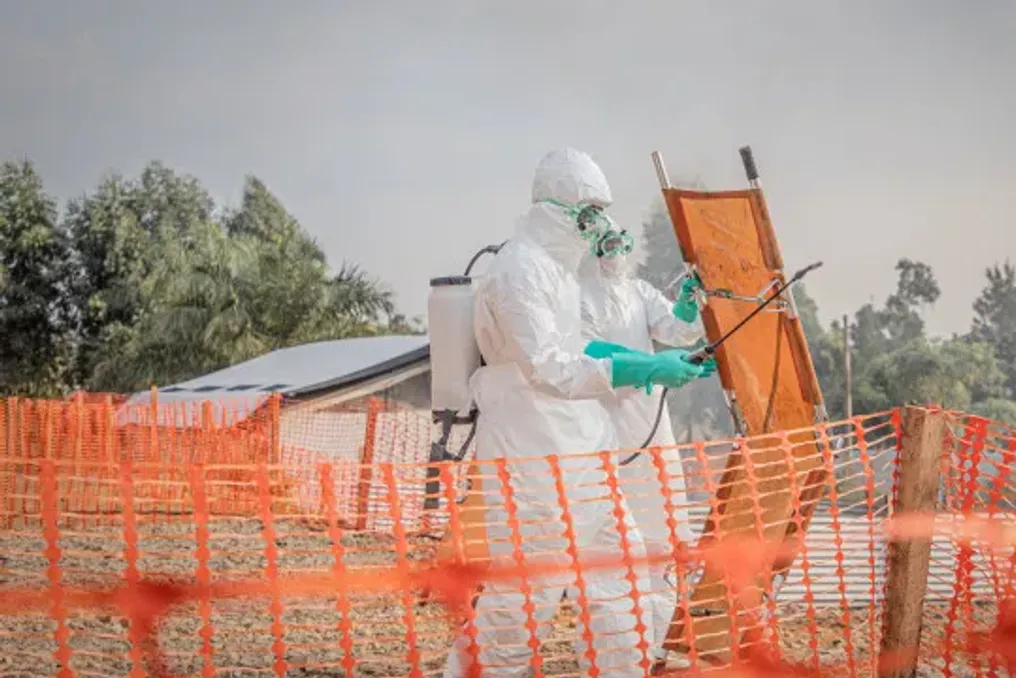
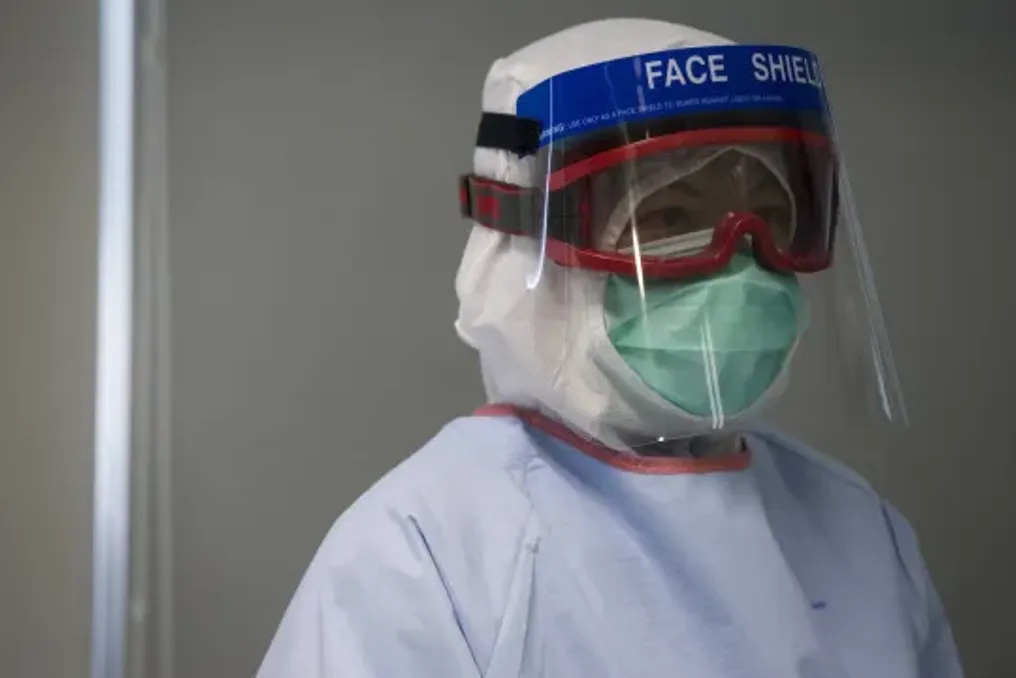
Congolese authorities reported that more than 6,000 individuals have died due to the Ebola outbreak, which was declared on May 15th in the eastern region of the Democratic Republic of Congo (DRC) and subsequently spread to other provinces in the country.

According to the latest report released by the DRC's National Institute of Public Health (INSP), using data collected up to November 27th, a total of 12,254 confirmed cases were counted, of which 6,025 resulted in fatalities.

This epidemic, marking the seventeenth outbreak in the DRC and the second deadliest recorded globally, has a mortality rate of 49.2% and a contact tracing rate of 77.6%. To date, 3,387 patients have recovered, while another 1,160 remain hospitalized or in isolation.

The INSP points out that the eastern province of Ituri remains the main focus of the epidemic, concentrating 67.1% of the total confirmed cases and 41% of new reported cases. The neighboring province of North Kivu is in second place, representing 55.1% of recent cases.

In summary, the epidemic affects 69 health posts in eight of the DRC's 26 provinces. In addition to Ituri and North Kivu, the outbreak has reached Tshopo (north-central), Bas-Uele (north), Haut-Uele (northeast), South Kivu (east), South Ubangi (northwest), and North Ubangi (north).

Tedros Adhanom Ghebreyesus, Director-General of the World Health Organization (WHO), confirmed on November 18th that the epidemic persists as a public health emergency of international concern, following the quarterly meeting of the emergency committee on the crisis.

Similarly, the Africa Centres for Disease Control and Prevention (Africa CDC), part of the African Union (AU), issued an alert on November 15th, indicating that the humanitarian crisis, insecurity, and population displacement in eastern DRC could trigger a 'major continental outbreak.'

This outbreak surpassed the previous occurrence in the same Congolese region between 2018 and 2020, although it is still below the most severe recorded so far, which caused approximately 11,000 deaths and 28,000 cases in West Africa between 2014 and 2016.

The disease spread to neighboring Uganda, where the WHO declared the end of the outbreak on August 26th, after recording 20 confirmed cases, including 15 imported from the DRC, two of which were fatal.

Cases related to the outbreak have also been detected in Kenya (nine, with two deaths), Nigeria (one), and France (one case). Three people were removed after contracting the virus in the DRC: one to the Netherlands and two to Germany.

The Bundibugyo strain responsible for the current epidemic does not have specific treatments available. However, the WHO is developing two vaccines that have already passed phase 1 trials in humans and demonstrated safety, although the development process may take several months. Additionally, Uganda started the first phase 1 clinical trial of an experimental messenger RNA (mRNA) vaccine against this strain this Friday.

The Ebola virus is transmitted through direct contact with the body fluids of infected people or animals and causes severe hemorrhagic fever, vomiting, diarrhea, and internal bleeding.
Similar stories

Death toll from Ebola outbreak in DR Congo approaches 5.8 thousand amid rising cases
Read more
cgtn.com

Death toll from Ebola outbreak in DR Congo approaches 5.8 thousand amid rising cases

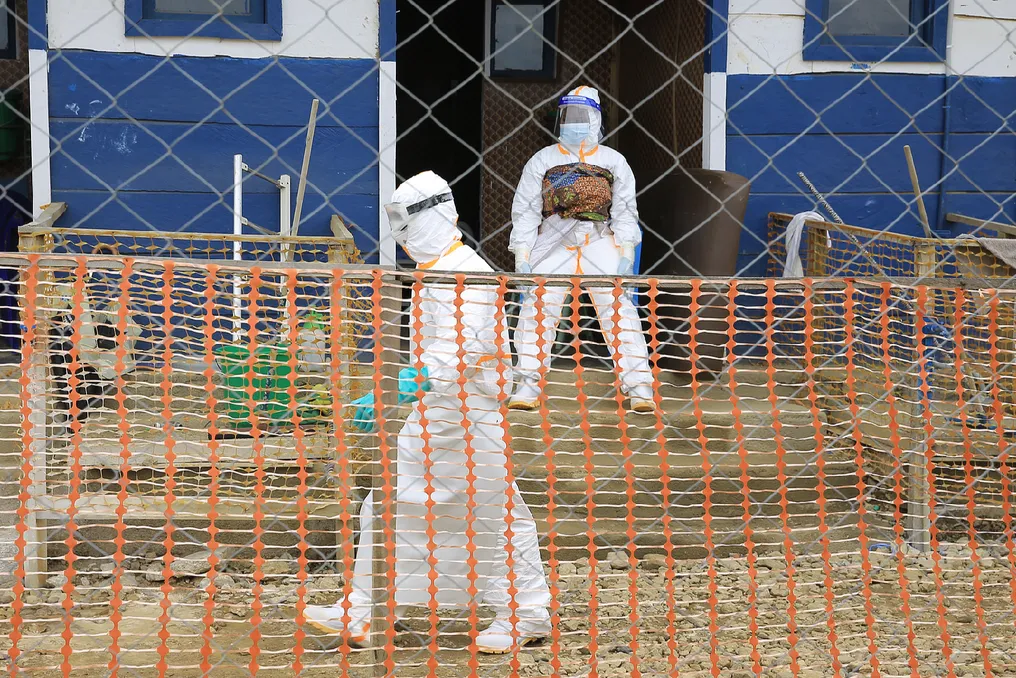
According to the latest data published by the US Centers for Disease Control and Prevention (CDC), the death toll from the Ebola outbreak in the Democratic Republic of Congo (DRC) has reached 5,779 people, with a total of 11,793 confirmed infections.

These figures, covering cases and deaths registered as of November 20, were disclosed on November 23.

The outbreak, caused by the Bundibugyo strain of Ebola, has spread across several provinces, including Ituri, North Kivu, South Kivu, Bas-Uele, Auto-Uele, South Ubangi, North Ubangi, and Tshopo. It is noted that this epidemic is developing significantly faster than previous Ebola outbreaks and is the second largest in history.

The effectiveness of response measures is complicated by several factors: regional instability, limited medical infrastructure, shortage of protective equipment, and attacks on medical personnel. Furthermore, population movement and cross-border travel raise concerns about further virus spread.

The outbreak has also affected other countries. The CDC reported nine confirmed cases and two deaths in Kenya, one confirmed case in Nigeria, and 20 confirmed cases and two deaths in Uganda, in addition to one probable case and one death. France also registered one confirmed case.

According to the latest CDC update, there are no active cases recorded in Uganda or France at the time of the report. Medical services continue to monitor the situation, strengthening surveillance and containment measures.

Africa CDC warns of serious difficulties in combating the Ebola outbreak in DRC
Read more
cgtn.com

Africa CDC warns of serious difficulties in combating the Ebola outbreak in DRC

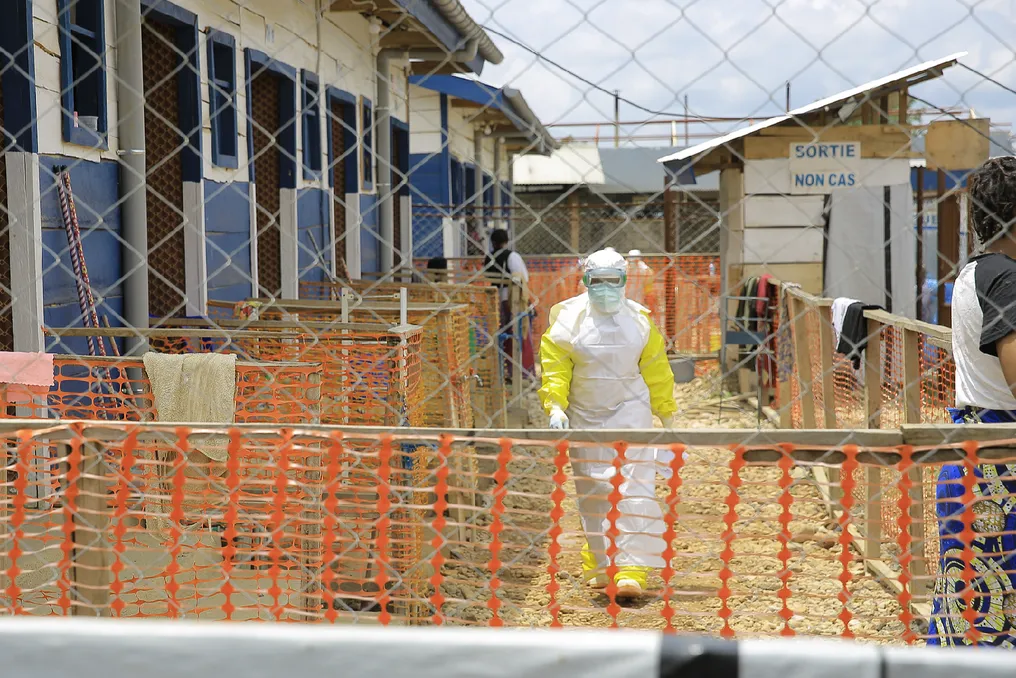
Six months after the ongoing Ebola outbreak in Bundibugyo, the Africa Centres for Disease Control and Prevention (Africa CDC) warned of 'huge challenges' contributing to the further spread of the deadly disease, particularly in the Democratic Republic of Congo (DRC). To date, the total number of confirmed cases has exceeded 11,100, with deaths surpassing 5,400.

In a statement released on Sunday, marking the six-month anniversary of the outbreak declaration in the DRC on May 15, Africa CDC indicated that instability 'remains one of the greatest obstacles to response,' as over 80 attacks on health facilities have been recorded in the last six months. The agency warned that ongoing conflicts, population displacement, and movement restrictions complicate containment efforts.

Despite 'significant progress' in bringing essential services closer to affected communities, the agency reported that between 400 and 500 new cases continue to be registered weekly in the DRC. As the outbreak spreads, the virus has expanded from three health zones in one province to approximately 67 health zones across eight provinces in the DRC.

The specialized continental public health agency of the African Union expressed particular concern about the significant impact of the disease on children. Africa CDC data showed that children account for over a quarter of all confirmed cases and a third of all deaths; seven out of ten children under five with confirmed Ebola have died.

The agency warned that low follow-up rates for contacts and the high number of community deaths indicate that infections are being detected too late. Recent cases imported into Kenya and Nigeria underscore the persistent risk of the virus spreading beyond national borders.

On a positive note, Africa CDC noted that most early outbreaks have been brought under control, and rapid spread has been halted, with about 3,000 patients recovering from Ebola. It was noted that nearly 90% of registered deaths are now conducted through safe and dignified burials, diagnostic capacity has increased from two laboratories to more than two dozen, and nearly 2,000 beds for treatment are available in 104 treatment and transit centers.

Furthermore, the agency emphasized that improved cross-border cooperation has strengthened surveillance, information sharing, and coordination. Noting the absence of licensed vaccines or targeted medical countermeasures against the Bundibugyo strain of Ebola, it reported that scientific research is currently underway, including the evaluation of candidate treatments and vaccines.

The agency concluded that 'these achievements remain fragile and must be protected and scaled up in affected and at-risk areas,' adding that sustained rapid and flexible funding until 2027, alongside political commitment, safe access, protection of healthcare workers, and significant community involvement, is necessary.

Africa CDC warns of possible continental Ebola outbreak due to the situation in the Democratic Republic of Congo
Read more
noticiasaominuto.com

Africa CDC warns of possible continental Ebola outbreak due to the situation in the Democratic Republic of Congo

Jean Kaseya, Director-General of the Africa Centres for Disease Control and Prevention (Africa CDC), issued a warning indicating that the circumstances in the Democratic Republic of Congo (DRCongo) could trigger a 'major continental outbreak' of Ebola.

Kaseya stated during a virtual press conference, reported by the Spanish agency Efe, that shortly after the Africa CDC declared the outbreak on May 15, it was recognized that it posed both a regional and continental threat, six months after the initial declaration.

According to Kaseya's explanations, the conditions observed during his visit to the Ituri province, the epicenter of the epidemic in the northeast of the country, which shares a southern border with Angola, create an environment conducive to the spread of the virus beyond national borders. This scenario is aggravated by the humanitarian crisis, insecurity, and population displacement.

The official warned that this outbreak, seen in Ituri, an area characterized by instability, humanitarian crisis, unsupported camps, large population movement, and being a mining zone, combined with community mistrust, has the potential to evolve into a continental outbreak.

Kaseya also mentioned Kenya's reaction, which initiated a 42-day observation period without new cases to be considered Ebola-free, after recording nine confirmations and two deaths. He emphasized that adequate preparation saved lives in Kenya, preventing a much higher number of victims.

Additionally, Kaseya highlighted that Nigeria managed to contain the spread after confirming occurrences in its territory.

According to the latest report from the DRCongo National Institute of Public Health, with data from Friday, the number of cases reached 11,254, resulting in 5,505 deaths and a case fatality rate of 48.9%. At this time, 1,538 patients are in isolation and 3,054 people have recovered from the disease.

Data provided by the Africa CDC reveals that 80% of new cases in DRCongo are identified outside of health surveillance systems, and approximately 65% of the sick die at home or in their communities, never being admitted to specialized treatment centers.

This outbreak, classified as belonging to the Bundibugyo strain, is the deadliest of the 17 recorded in the history of DRCongo. The epidemic threatens to surpass the more than 11 thousand deaths caused by the West African epidemic between 2014 and 2016, having already claimed the lives of at least 74 health professionals and infected another 445 individuals.

In conclusion, Kaseya emphasized that humanity needs to learn how to deal with diseases, but that it is fundamental to strengthen health systems to prevent an illness from turning into an outbreak and subsequently, a pandemic.

Popular