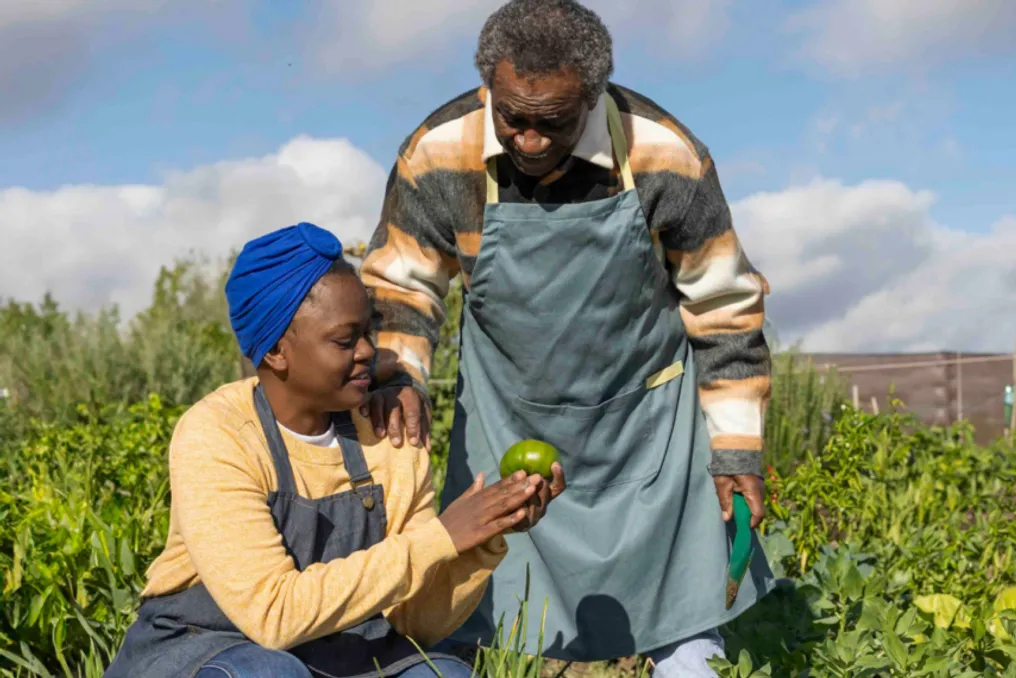
The Darnell family, which has been growing beans in Nebraska for three generations, notes that the last few years have been among the most difficult for crops and sales. 77-year-old Darnell predicts that next year will also be challenging for farming.
Farmers in western Nebraska, like Darnell, have faced a series of problems: extreme drought, extremely high fuel and fertilizer prices, and market disruption for surplus crops—American foreign food aid. These factors have weakened the financial position of his enterprise, JD Farms.
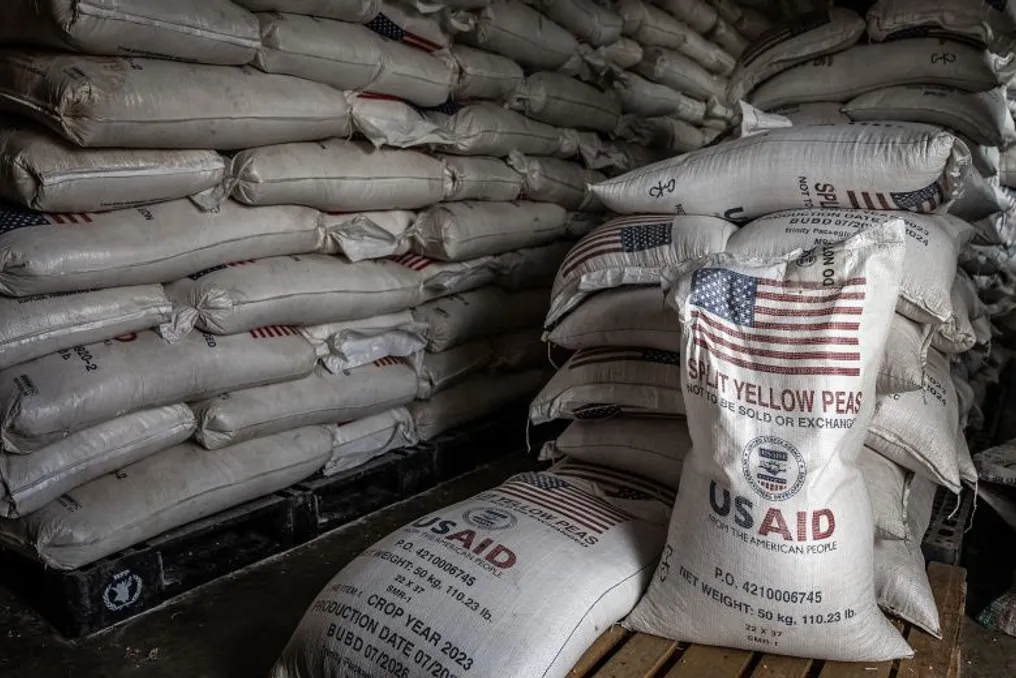
The reduction in funding for food assistance programs from Washington and the sudden liquidation of the U.S. Agency for International Development at the beginning of last year prevented farmers and grain elevators from selling products to aid programs such as Food for Peace or the McGovern-Dole Food for Education Program, which provide food to millions of people worldwide.
Darnell explained that the loss of an end consumer inevitably affects prices, leading to a decrease in bean prices. He expressed pride in participating in any program aimed at combating world hunger, emphasizing that beans are a valuable product due to their high protein content and good storage conditions.
The U.S. has a long bipartisan history of supporting food aid programs aimed at both helping domestic farmers and addressing global hunger. According to U.S. State Department data, the Food for Peace program, which annually purchases agricultural products from American farmers to send to food-insecure regions, has fed over 4 billion people since its creation in the 1950s.
Katie Kaufman, whose husband Mike manages a family farm that has grown beans and corn for five generations, noted that it is a 'win-win' situation, as Nebraska farmers can contribute to global security through their final product and provide food for those in need.
However, Congress recently cut federal funding for Food for Peace by approximately 25%: from about $1.62 billion annually to $1.2 billion for fiscal year 2026. Furthermore, the Trump administration allocated even less funding. An analysis of USDA data conducted by the Center for Global Development (CGD) showed that the amount of funds spent by the U.S. Department of Agriculture (USDA) on food aid in 2025 and 2026 dropped by approximately 55% compared to spending levels in 2024 under the Biden administration.
Sam Vigerski, a senior fellow on international affairs at the New York-based Council on Foreign Relations, stated that the consequences of this reduction are manifesting in the most catastrophic form in people's lives. He emphasized that programs like Food for Peace are among the most significant U.S. government programs globally, and cutting funding from them means taking food away from starving children.
Initially, the White House proposed cutting the entire budget for Food for Peace and the McGovern-Dole International Food for Education program. However, Jocelyn Estes, a senior policy analyst at CGD, reported that Congress has shown continued support for food commodity programs. Historically, food aid programs have been protected by a bipartisan coalition of agricultural interests, shipping companies, and humanitarian organizations.
Experts have long pointed out that transporting large shipments of agricultural goods overseas is not the most effective way to provide humanitarian aid, and in many cases, products could be purchased closer to crisis zones. Estes advised CNN that given the numerous challenges and crises facing the world's most vulnerable populations, any degree of bipartisan support for humanitarian aid is positive, and efforts should focus on improving its methods.
A White House Office of Management and Budget representative told CNN that Food for Peace and McGovern-Dole are 'inefficient, wasteful, and do not align with President Trump's agenda,' and also create a 'permanent dependency on American taxpayers.' The representative added that the budget supports 'much more effective food aid programs.' However, the White House advocates for reducing funding, not reallocating it to other programs.
Kaufman, who advocates for food aid through the Christian non-profit organization World Vision, believes that cutting food aid programs threatens not only food security but also undermines U.S. global leadership. She told CNN that foreign aid accounts for less than one percent of the budget, and its reduction will not help balance the budget but will put the country at risk of losing its status as a world leader.
During the liquidation of USAID under the Trump administration, the Food for Peace program was transferred to the USDA. Some humanitarian experts criticized this transition, arguing that the USDA does not possess the same experience in emergency management. The list of countries supported by the program was significantly revised within the USDA. This year, Food for Peace provided American food aid to seven non-crisis countries while excluding several famine-threatened nations, such as Somalia and South Sudan.
A senior NGO official told CNN that the administration clearly stated that need is just one criterion, and the administration's political goals and relationships with these governments play an important role. He noted that there are many needy countries that, in his opinion, should be on this list.
In Yemen, which faces an emergency level of food insecurity after many years of conflict, the Trump administration completely halted all foreign aid, including food aid. Nevertheless, farmers and agricultural workers told CNN that they welcome the USDA's handling of Food for Peace.
Meanwhile, a senior NGO employee told CNN that almost all McGovern-Dole projects feeding hungry schoolchildren abroad were suspended in 2025, but 'some are now resuming.' He described the past two years as 'incredibly worrying and confusing,' but added that the USDA has a 'good team' working to revive this activity.
The USDA declined to answer CNN's questions about Food for Peace but stated in a recent announcement that since the program's transfer, over $1 billion has been invested in awards and principle agreements for international emergency food assistance, which utilizes approximately 467,000 metric tons of American goods.
Vigerski also noted that many countries are facing not only the cessation of Food for Peace supplies but also cuts to other U.S. aid programs and reductions from other international donors. Grace Mawheja, World Vision's communications manager in Sudan, stated that 'funding uncertainty makes it difficult to maintain the planned scale of aid.' Organizations have had to change food distribution plans and ration sizes this year due to funding cuts.
She emphasized that 'foreign food aid is not just about sending food abroad; it is about saving lives, protecting children, supporting families, and giving vulnerable communities the opportunity to survive and recover after crises.'
American food companies and grain elevators across the country are also involved in food aid programs and feel the impact of the aid cuts and sudden shocks of last year. Didion Inc., a family agricultural processing company in Wisconsin, told CNN that last year the supply chain for its flakes, used to treat acute malnutrition in young children abroad, was severely disrupted. CEO Riley Didion said the company had to suspend production, but the situation began to improve this year.
Didion noted: 'When this program stops, we also buy less corn from farmers in our area.' He added that the lack of food for people has the greatest impact. During a trip to Kenya last October to discuss improving aid supply chains and delivering food to the Kakuma refugee camp, he saw that most people were living on 30 or 40 percent of the normal intake. He concluded that 'there is an incredible global need.'