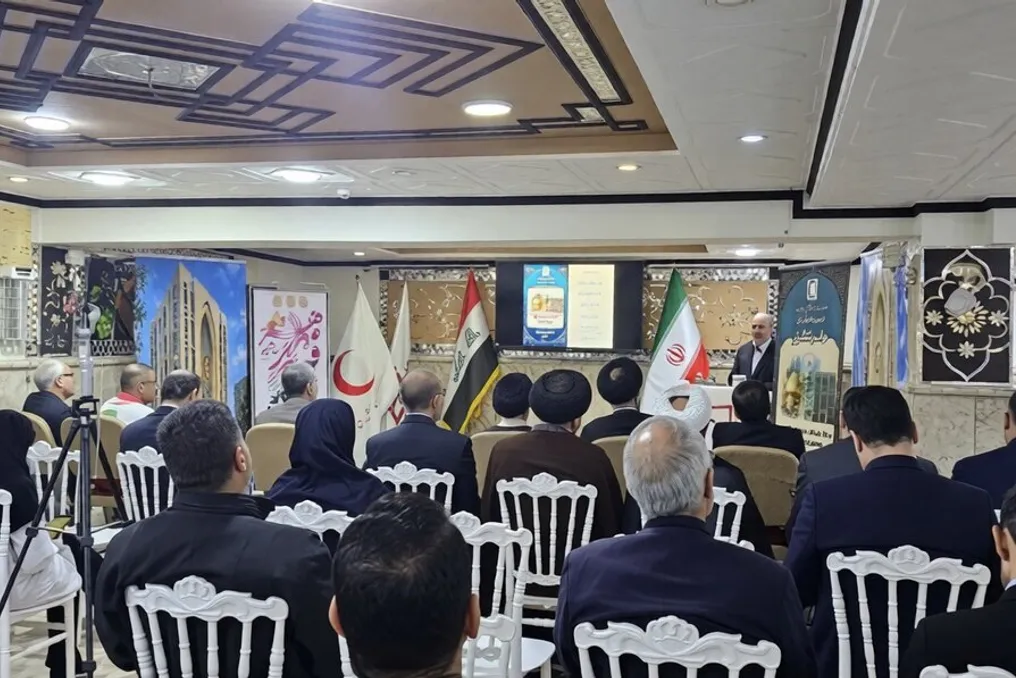
IRCS begins construction of new clinic in Najaf for Iranian pilgrims
Read more
Tehran Times
www.tehrantimes.com

IRCS begins construction of new clinic in Najaf for Iranian pilgrims

The Iranian Red Crescent Society (IRCS) has started the construction of a new medical facility in Najaf, Iraq, with the aim of improving the quality of medical care for Iranian pilgrims visiting the holy city.

The groundbreaking ceremony took place on Saturday. The existing IRCS clinic in Najaf has been providing medical services for over two decades. According to IRNA, the new building will be constructed on a 550 square meter plot and is planned to have 10 floors.

In September, IRCS and the Iraqi Ministry of Health reached an agreement to strengthen bilateral cooperation in the field of healthcare. The main focus is on medical education, treatment, pharmaceuticals, and medical equipment.

The head of IRCS, Pirhossein Kolivan, and the Iraqi Minister of Health, Abdul Hussein Aziz Al-Mousawi, met in Baghdad on September 17, as stated on the IRCS website. This meeting was dedicated to conducting joint specialized and subspecialized training courses, exchanging clinical experience, improving the qualifications of Iraqi medical personnel, and developing cooperation in the production of pharmaceutical and medical instruments.

The Iranian representative emphasized the high potential of IRCS in the healthcare sector, including an extensive network of medical centers, polyclinics, specialized medical and nursing capabilities, and a large number of volunteers. He noted IRCS's readiness to use its experience and knowledge to develop partnerships between the two sides.

He also announced IRCS's readiness to train Iraqi doctors, nurses, and specialized staff, send Iranian experts, distinguished professors, and medical teams to Iraq, and assist in establishing medical and nursing schools in Iraq, particularly in Najaf.

For his part, Al-Mousawi highly praised Iran's assistance, stating: 'I am deeply grateful for your support. We strive to direct all our efforts towards creating and further developing this cooperation.'

Significant Support and Operational Capabilities

Christian Cortes Cardozo, Deputy Regional Director of the International Federation of Red Cross and Red Crescent Societies (IFRC) for the Middle East and North Africa, highly praised the humanitarian aid and operational capabilities of IRCS, calling for expanded interaction between the two parties regarding disaster preparedness and emergency response.

Praising IRCS's efforts, Cardozo noted that the society's experience and expertise in disaster preparedness and response, which it shares with other national societies, are of immense value and contribute to strengthening response capabilities in countries around the world, according to IRNA.

The official made these statements during a meeting with IRCS head Pirhossein Kolivan in Tehran on November 16. Stressing the need to support the most vulnerable segments of society, Cardozo expressed hope for the development of ties between the two parties in the areas of training, preparedness, and improvement of aid services.

In turn, Kolivan highlighted IRCS's specialized and operational capabilities. He stated that by expanding international cooperation and sharing experiences and lessons learned from relief operations, IRCS training centers can become a regional hub for training aid specialists and operational managers from countries in the region.

Expressing gratitude for the support and cooperation of IFRC with IRCS, he emphasized the importance of using modern intelligent technologies to enhance operational efficiency and accelerate emergency response.
Similar stories

Seminar held with WHO support to strengthen public health functions
Read more
www.tehrantimes.com

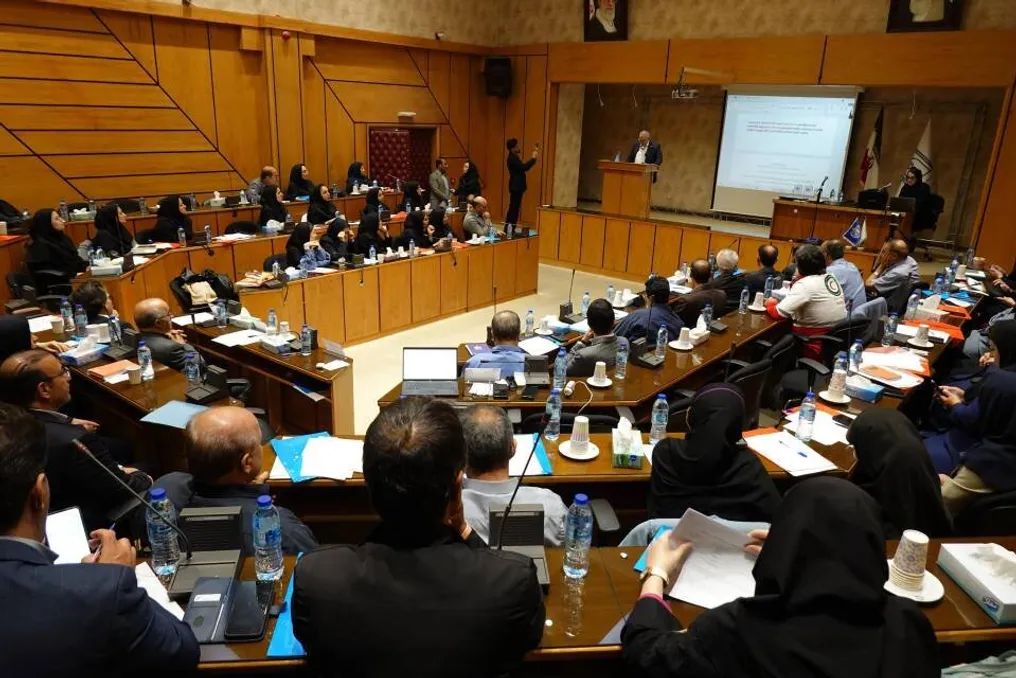
Seminar held with WHO support to strengthen public health functions

The National Center for Public Health Management, a collaborating center of the World Health Organization (WHO), conducted a one-day seminar aimed at improving qualifications in the implementation of Essential Public Health Functions (EPHFs) in hospitals.

The event was organized by the WHO Country Office in the Islamic Republic of Iran in collaboration with the WHO Regional Office for the Eastern Mediterranean and Tabriz University of Medical Sciences. According to a press release published on the WHO website on November 17, the seminar's goal was to help participants better understand EPHFs and support their practical application in inpatient settings.

The seminar was opened by Said Aslanabadi, Vice Chancellor of Tabriz University of Medical Sciences, and Jean Jabbar, WHO representative in the Islamic Republic of Iran. In his remarks, Jabbar affirmed WHO's commitment to improving population health, promoting Universal Health Coverage (UHC), and strengthening the resilience of the healthcare system.

Jabbar noted that implementing EPHFs is an economically efficient and sustainable method for improving population health, expanding UHC, and enhancing the resilience of the healthcare system. He emphasized that this work aligns with WHO's priorities in primary health care and health security, as well as the flagship initiative of the WHO Regional Director for Health Workforce. According to him, having a qualified, supported, and sustainable health workforce is critical for the effective implementation of EPHFs. Ultimately, protecting public health is the shared responsibility of the entire healthcare system, and this cooperation aims to enhance hospitals' focus on public health and contribute to creating more resilient healthcare systems and improving health outcomes for all.

The participation of Askar Jafari Rouhi, Vice Chancellor for Medical Affairs at Tabriz University of Medical Sciences, demonstrated the importance of partnerships between WHO and national academic and medical institutions. It also reflected the leadership of the University's clinical and medical departments' commitment to strengthening hospitals' focus on public health and promoting the integration of primary health care and EPHFs into hospital services.

The seminar in Tabriz continued a previously initiated joint initiative involving WHO, the Iranian University of Medicine, and the National Center for Public Health Management. Under this initiative, hospital directors from Tehran and various provinces received training on applying EPHFs in hospital settings.

Four staff members from Tabriz University of Medical Sciences—Mohammad Yousefi, Ali Ebadi, Reza Akebati, and Farzaneh Alikhah—participated in the initial training and subsequently worked on implementing EPHFs in Mardani Azar and Osku hospitals. By applying the knowledge and experience gained, they helped translate the EPHF framework into practice, laying the foundation for further institutional collaboration.

Their work highlights the value of investing in the potential of healthcare workers and hospital leaders who can become catalysts for change in their institutions. It also demonstrates how mutual learning and inter-agency cooperation can support the practical application and broader adoption of public health approaches in healthcare facilities.

Jabbar's mission continued with a visit to the Zahra Mardani Azari Child Education, Research, and Medical Center. Following substantive discussions with local specialists and healthcare workers regarding pressing pediatric issues and tours of several departments, including the Child Development Program, WHO commemorative trophies were presented to the Center's director, Mohammad Barzegar, and one distinguished healthcare worker. This gesture recognized their unwavering dedication and tireless daily efforts to protect Iran's youngest and most vulnerable patients.

American Hospital Dubai opens three new medical facilities in Dubai Science Park
Read more
www.khaleejtimes.com

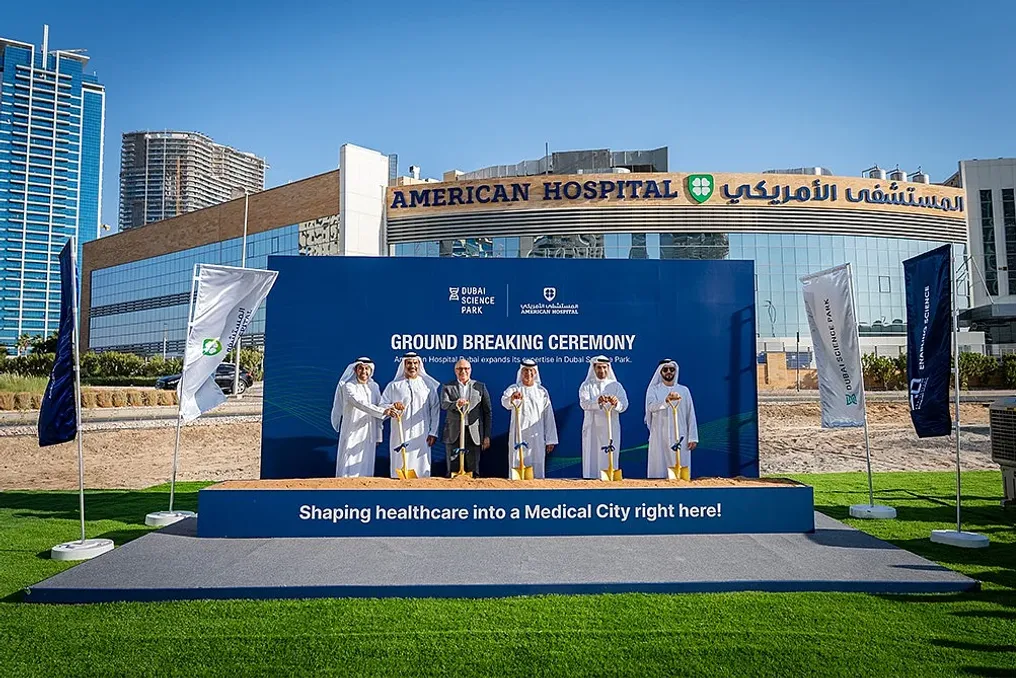
American Hospital Dubai opens three new medical facilities in Dubai Science Park

American Hospital Dubai Group plans to expand its global presence in healthcare by opening three specialized medical facilities in Dubai Science Park. These new facilities include the Women's and Children's Hospital, the Outpatient and Day Treatment Center, and the Orthopedics and Sports Medicine Hospital. Dubai Science Park is a leading science-oriented regional ecosystem and is part of TECOM Group PJSC.

The new facilities will be part of American Hospital Dubai's strategic expansion plan and will be located near the modern multi-specialty hospital, American Hospital at Dubai Science Park, which opened earlier this year.

The expansion of the American hospital is part of its long-term strategy, which aims to establish six full-fledged hospitals, 20 satellite clinics, and four day surgery centers by 2035, thereby strengthening its leadership in healthcare and providing transformative treatment across the region.

The groundbreaking ceremony was attended by Buti Obaid Al Mulla, Chairman of Mohamed & Obaid AlMulla Group; Abdullah Belhul, CEO of TECOM Group; Sherif Bishara, CEO of American Hospital Dubai; Ammar Al Malik, Executive Vice President of Commercial for TECOM Group; and Marwan Abdulaziz Janahi, Senior Vice President of Dubai Science Park. High-ranking officials from American Hospital Dubai and Dubai Science Park were also present.

Marwan Abdulaziz Janahi noted that continuous investment in specialized healthcare infrastructure strengthens Dubai's position as a global destination for medical innovation and life sciences. He added that this expansion supports the development of the UAE and Dubai's healthcare sector, contributing to the realization of the 'We Are UAE 2031' vision and Dubai's Social Agenda 33, by providing an ecosystem for American Hospital Dubai's growth.

Sherif Bishara expressed pride in expanding the medical presence through the creation of these modern facilities, which will ensure the highest level of medical expertise and advanced technology. He emphasized that one of American Hospital Dubai's key objectives is to provide greater access to its renowned medical competence and excellence, which contributes to improving public health and well-being. This expansion is a strategic element of this ongoing commitment.

These medical centers will implement state-of-the-art AI-driven processes, including diagnostics, operational efficiency enhancement, and predictive medicine. They will also offer research-based personalized treatment programs for critical areas—women's and children's health, orthopedics, and sports medicine—and feature a modern day treatment center allowing patients to receive world-class care with same-day discharge.

These next-generation medical centers demonstrate American Hospital Dubai's mission to provide the best patient experience through the seamless integration of globally recognized clinical expertise and artificial intelligence. The first phase of the American Hospital at Dubai Science Park expansion will involve forming a Project Group for women's and children's services to guide the planning, design, operational vision, and development of the Women's and Children's Hospital, followed by the establishment of the Outpatient and Day Treatment Center and the Orthopedics and Sports Medicine Hospital.

Popular