Sistan and Baluchestan Province of Iran to Hold Cultural Event in Pakistan
Read more
Tehran Times
www.tehrantimes.com

Sistan and Baluchestan Province of Iran to Hold Cultural Event in Pakistan

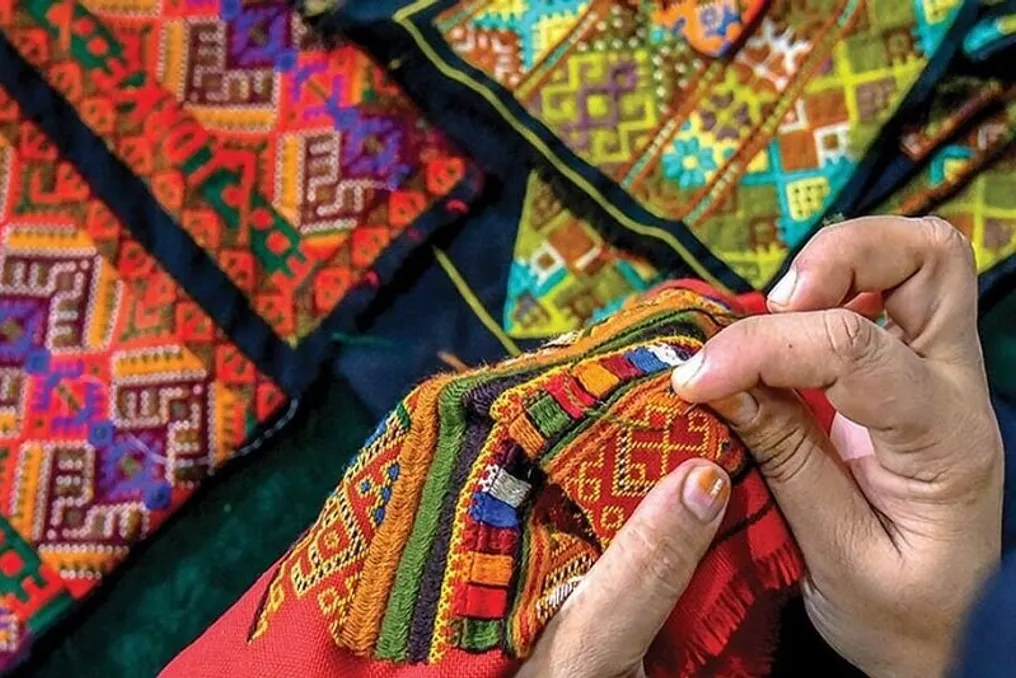
Sistan and Baluchestan Province, located in southeastern Iran, plans to host a cultural event in Pakistan. The goal of this event is to showcase the rich cultural heritage, history, and handicrafts of the province, according to a local official.

Vahidah Rakhshani, deputy head of the Handicrafts Department of the Sistan and Baluchestan Department of Cultural Heritage, Tourism, and Handicrafts, specified that the event will be named 'Sistan and Baluchestan Cultural Night.' It will be organized with the assistance of the Iranian Ministry of Foreign Affairs and other relevant provincial institutions.

Speaking on Sunday, Rakhshani also announced intentions to organize handicraft exhibitions from the province in neighboring countries, including Oman and Pakistan. Selected cultural delegations and skilled artisans will be sent to these international exhibitions to present the cultural traditions, history, and tourist attractions of Sistan and Baluchestan.

These initiatives will be implemented in cooperation with the Provincial Chamber of Commerce and the local representation of the Ministry of Foreign Affairs. Furthermore, Rakhshani added that the provincial administration has approved studying the possibility of holding a handicraft exhibition in Lahore, which could be accompanied by sporting competitions in the city.

The planned cultural initiative is based on long-standing historical and cultural ties between the Sistan and Baluchestan Province of Iran and the Balochistan Province of Pakistan. Both regions are home to Baloch communities that share common linguistic traditions, cultural practices, music, crafts, and historical connections that span across the modern international border.

Similar stories

Russia is ready to hold a Russian culture festival in Iran following meetings in Moscow
Read more
www.tehrantimes.com

Russia is ready to hold a Russian culture festival in Iran following meetings in Moscow

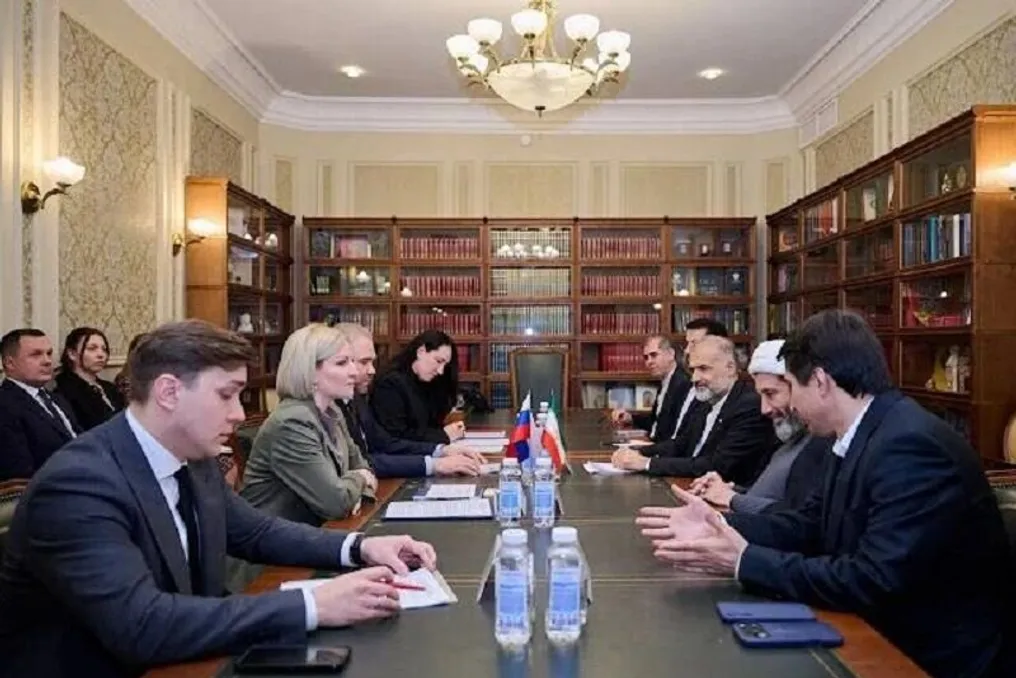
A meeting took place in Moscow between the head of the Islamic Culture and Relations Organization (ICRO), Hojjatoleslam Mohammad Mehdi Imanipour, and the Minister of Culture of the Russian Federation, Olga Lyubimova. During this meeting, the Russian minister expressed satisfaction with the growing level of cultural interaction between the two countries and announced the Ministry's readiness to participate in organizing the Festival of Russian Culture in Iran.

As reported by the IRNA agency, Lyubimova also noted that Iranian cultural events held in Russia were well received by the Russian population. Hojjatoleslam Imanipour, who visited Moscow at the invitation of the Patriarch of the Russian Orthodox Church, thanked the Ministry of Culture of Russia for its support and assistance in organizing the 'Iranian Days' events on the territory of the Russian Federation, calling the event successful and significant.

He emphasized the importance of continuing joint cultural programs and fulfilling agreements reached within the framework of bilateral committees for cultural cooperation. Mentioning the wide response to Iranian cultural programs in Russian cities such as Moscow, St. Petersburg, Astrakhan, and Kazan, Imanipour stated that these events contributed to strengthening mutual understanding between the peoples of the two countries and improving cultural ties. He expressed hope that a Festival of Russian Culture would also take place in Iran soon.

Furthermore, he stated Iran's readiness to host a preliminary delegation from Russia to discuss the details of organizing this festival. Also speaking at the meeting, the Iranian ambassador to Moscow, Kazem Jalali, noted that cultural cooperation is a key element in strengthening bilateral relations. He stressed that while the potential between Iran and Russia is vast in political, economic, defense, and military spheres, developing cultural ties can deepen the bonds between the two peoples.

During the negotiations, the parties also exchanged views on implementing the agreements of the cultural cooperation committee, expanding cinematic interaction, exchanging cultural and artistic delegations, as well as organizing joint exhibitions and events.

Events under the 'Iranian Days in Russia' program started on September 25th with the participation of the Minister of Culture and religious leaders Seyed Abbas Saleh in St. Petersburg, and then continued in Moscow, Kazan, and Astrakhan. The National Orchestra of Iran, conducted by Homayoun Rahimi with vocalist Mojtaba Asghari, opened the program with a concert at the historic Bolshoi Theatre in Moscow, one of Russia's most famous cultural centers. The concert presented a selection of Iranian compositions alongside a piece from the Russian classical repertoire, creating a musical dialogue between the traditions of the two countries.

The caravan of Iranian artists, numbering 168 people, including musicians, performers, film and theater specialists, literary scholars and linguists, manuscript and library experts, Persian language and poetry specialists, writers of fiction, and media specialists, represented a diverse and unprecedented composition for international cultural weeks. Despite the conclusion of these events on October 20th, the exhibition of Iranian artists continued in Kazan for another two weeks.

Relations between Iran and Russia go beyond mere interaction between governments or neighboring states; they are rooted in centuries of contact, dialogue, travel, trade, scholarship, literature, and mutual understanding between the peoples. In this context, culture has become the most natural and enduring language of dialogue between Iranians and Russians—a language through which poets, writers, artists, intellectuals, and ordinary people in both countries communicated long before politicians began to do so. Historical ties between the two countries date back more than five centuries. Exchanges, ranging from the presence of Persian literature in the cultural landscape of Russia and the expansion of Iranian studies and teaching of the Persian language in Russian universities, to the translation of Russian literary works into Persian, have constantly served as a basis for mutual understanding.
Exhibition of Traditional Uzbek Bread Stamp Hammers Opens in Abu Dhabi
Read more
uzdaily.uz

Exhibition of Traditional Uzbek Bread Stamp Hammers Opens in Abu Dhabi

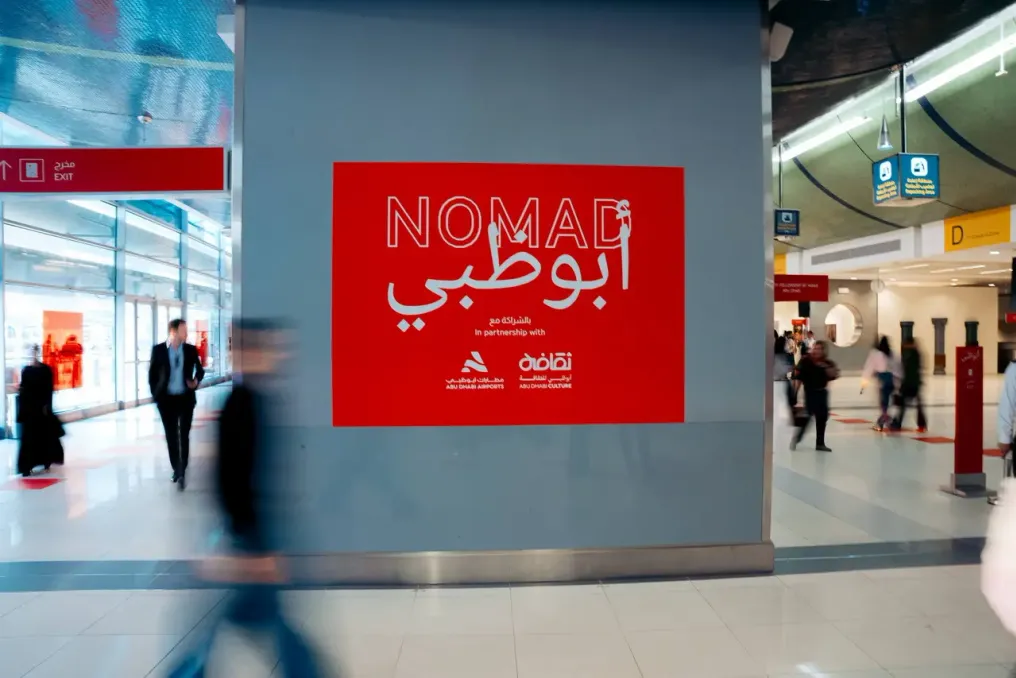
An exhibition dedicated to the traditional Uzbek craft of making wooden bread stamps, known as chekichi, took place in Abu Dhabi. The exhibition is titled 'When Apricots Bloom' and is part of the NOMAD Abu Dhabi 2026 event.

This project was previously presented at Milan Design Week in 2026 and was curated by Kulapat Yantrasast. The exposition showcases handmade items created by Uzbek masters, which are presented in various forms and decorated with carved patterns.

The design and production methods of these chekichi reflect regional characteristics of the craft, as well as the diversity of traditional folk art. The chekichi are used in the daily process of baking bread to apply patterns onto flatbread before baking.

These tools combine practical function with artistic value. The craft itself serves as an example of tradition continuity, as the skills and aesthetic features of these objects are passed down from generation to generation.

Craft Exhibition in Semnan Showcases Iranian Folk Art and Traditions
Read more
www.tehrantimes.com

Craft Exhibition in Semnan Showcases Iranian Folk Art and Traditions

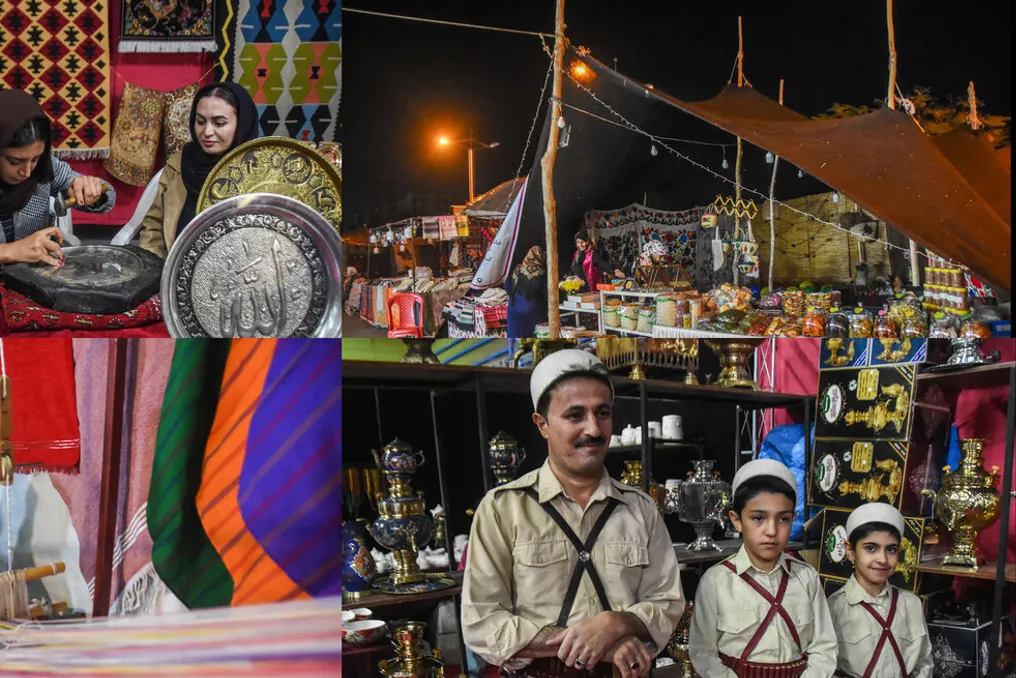
A major craft exhibition is taking place in Semnan, presenting traditional products, local goods, and the cultural heritage of artisans from across Iran. The event features over 150 stalls and nine Siakh-Chador tents—traditional nomadic dwellings.

The exhibition opened on Sunday with the presence of Barzin Zarghami, Deputy Minister for Cultural Heritage, Tourism, and Crafts, and will run until November 20th at the Ghader Exhibition Hall in Semnan. Samaneh Soltanipur, Deputy Director for Crafts and Traditional Arts at the Provincial Department of Cultural Heritage, Tourism, and Crafts of Semnan, informed IRNA that 120 trading spots have been allocated for handmade items created by masters from various provinces.

An additional 20 stalls are dedicated to regional souvenirs, traditional dishes, and local products, allowing visitors to explore the culinary traditions and cultural diversity of the participating regions.

Furthermore, nine traditional nomadic tents are displayed at the exhibition site, representing the provinces of Semnan, Kohgiluyeh-Boyer-Ahmad, South Khorasan, Golestan, Tehran, and Chaharmahal-Baftiari. According to Soltanipur, these tents give guests an insight into nomadic culture, including local customs, lifestyle, products, and the tourism potential of different areas.

She emphasized that the presence of nomadic tents alongside the handicraft and local product zones transforms the event from a regular market into a platform for showcasing aspects of Iran's intangible cultural heritage and regional diversity.

Live Demonstrations Highlight Traditional Skills

The exhibition also hosts live demonstrations of about five types of craft arts. This allows visitors to observe the work of artisans, learn about production methods, tools, and the skills required to create traditional items. Soltanipur noted that such displays enable, especially younger generations, to better understand the craftsmanship and cultural value of handmade products. They can also help popularize lesser-known traditional crafts and stimulate people's interest in mastering these skills.

Direct Sales and New Market Opportunities

The event aims to strengthen the market for Iranian crafts by establishing direct contact between producers and consumers. This creates opportunities for sales without intermediaries and helps producers better understand customer preferences, added Soltani-Pour. She also pointed out that bringing together artisans from different provinces promotes experience exchange, the transfer of traditional knowledge, the formation of professional networks, and cooperation among craftsmen.

In her opinion, such exhibitions help find new markets, increase the competitiveness of Iranian crafts, and open up additional chances for artisans to promote and sell their products. Soltanipur also noted that the exhibition provides a chance to present Semnan's own craft traditions and the capabilities of local artisans to a wide national audience. Iranian crafts are a reflection of the country's cultural diversity and centuries-old artistic traditions; from carpets and ceramics to metalworking and textiles—traditional items embody skills and creativity passed down through generations and remain an important expression of regional identity.

Popular