Night lighting is planned for ancient Siraf to develop tourism
Read more
Tehran Times
www.tehrantimes.com

Night lighting is planned for ancient Siraf to develop tourism

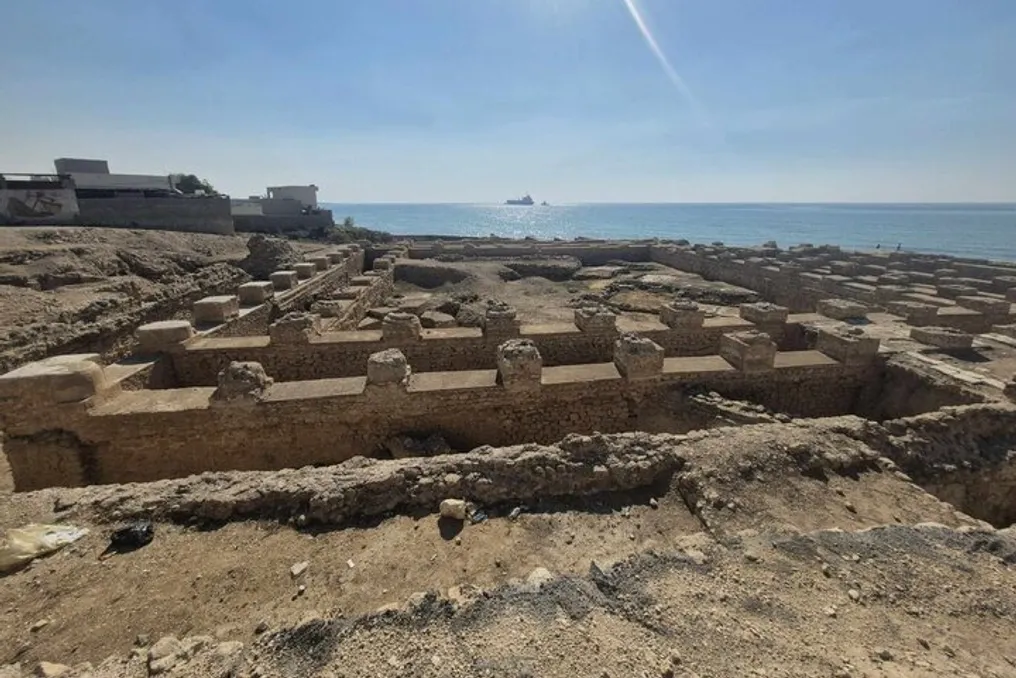
A project to illuminate historical sites in the ancient port of Siraf, located in southern Iran, is planned. The goal of this initiative is to enhance the appearance of these places at night and stimulate the development of night tourism, according to an official representative of the provincial cultural heritage.

Ali Mahini, deputy head of the cultural heritage department of Bushehr province, stated on Sunday that the project aims to showcase the architectural and historical features of Siraf's archaeological monuments, as well as to improve visitor comfort after dark.

According to Mahini, the lighting is intended to highlight the historical significance of the port and increase its visual appeal at night. Furthermore, the installation of lighting fixtures will be carried out while adhering to preservation requirements to avoid damaging the structures and the historical integrity of the monuments.

He also noted that the tourism infrastructure in Siraf requires further development. Necessary improvements include creating more convenient routes for visitors, installing informational signs, and organizing historical zones, which will allow tourists to have a richer and more accessible experience.

Mahini emphasized that Siraf is not just a tourist spot but an integral part of the historical and civilizational identity of the Persian Gulf.

The development of night tourism could potentially encourage guests to stay in the region longer, support local economic activity, and strengthen Siraf's position among the tourist destinations of Bushehr province.

Siraf, situated along the northern coast of the Persian Gulf, served as one of Iran's major trading ports from the Sasanian era to the early Islamic period. It played an important role in maritime trade, connecting West Asia with India, the Far East, and East Africa, especially during the 9th to 11th centuries.

The archaeological remains of the port cover various historical periods, reflecting its long-standing role in regional trade and settlement. Between 1966 and 1973, the British Institute for Persian Studies conducted seven seasons of excavations and surveys in Siraf, discovering extensive traces of a major port city on the northern coast of the Persian Gulf.

Historians suggest that during the early Islamic period, the population of Siraf reached about 300,000 people, whereas the modern city has approximately 7,000 residents. The ancient port includes numerous historical and archaeological sites dating back to the Elamite, Achaemenid, Parthian, Sasanian, Islamic, and Qajar periods.

According to information from the provincial cultural heritage representative, Iran has nominated Siraf as a candidate for inclusion in the UNESCO World Heritage List in 2026.
Similar stories

Study shows artificial lighting around Kerala forests reduces the natural darkness necessary for wildlife
Read more
thebetterindia.com

Study shows artificial lighting around Kerala forests reduces the natural darkness necessary for wildlife

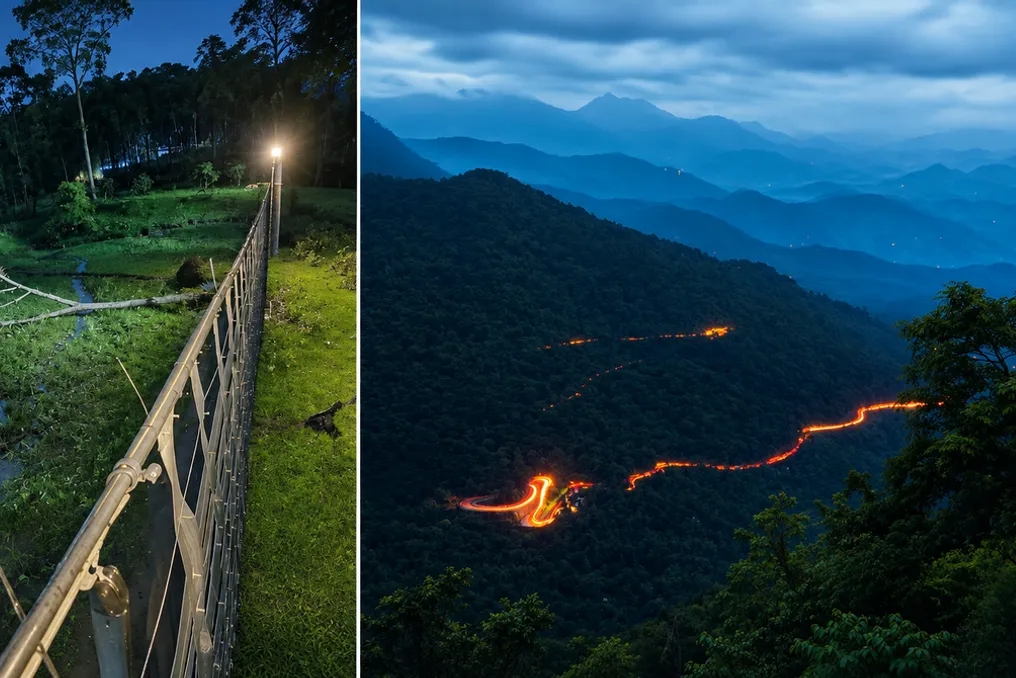
The light we leave on potentially deprives Kerala's forests of the darkness they need. While light from roads, places of worship, or clusters of shops helps people lead daily lives, its glow can spread far beyond designated lighting zones.

For wildlife inhabiting the Western Ghats of Kerala, an important question arises: how naturally dark does the night remain inside protected forests? A team of four researchers began to answer this question.

Their study, published in the journal Biological Conservation in October 2026, involved mapping artificial light within and around 21 protected areas in Kerala, as well as analyzing roads, buildings, and other human activities associated with this light. The results revealed a conservation issue that is easily overlooked: even where forests have protected boundaries, light from adjacent areas can reach them.

What causes forest lighting?

Using satellite data from 2024, researchers S. Haripriya, M.S. Arjun, S. Gopakumar, and Vidyan Divya measured nighttime illumination in national parks and reserves. They then compared these measurements with maps showing nearby roads, religious structures, buildings, and centers of human activity.

The difference between forest tracts was striking. The western section of the Tiger Periyar reserve recorded the highest average and peak levels of satellite-measured light among all 21 areas, with an average emission of 0.369 and a maximum of 24.0.

Within protected areas, the strongest statistical link was established with the density of places of worship. In the surrounding landscape, road networks and areas where people gather or work proved to be more significant predictors. This distinction is important because the light affecting the forest can be linked to various types of human activity, and managing it requires knowing where to look.

However, light does not always reach its target as a visible beam; it can scatter in the atmosphere, illuminating the night sky at a distance. Researchers call this skyglow. The team studied areas extending up to 30 kilometers outside the forest boundaries. Their modeling showed that the wider surrounding landscape, especially the zone from 10 to 30 km, can contribute significantly to skyglow. This means that lighting decisions made several kilometers away from the forest can affect how dark the protected forest remains at night.

Why is darkness important for wildlife?

The Western Ghats are home to many endemic species, including animals active after dark. Natural cycles of light and darkness help wildlife navigate, find food, and follow their circadian rhythms. Other studies have shown that artificial lighting can alter animal behavior. However, this study in Kerala did not directly observe animals or measure their response.

This difference is important. The researchers identified the locations of artificial light and the features of the surrounding landscape associated with it. Understanding what these levels of illumination mean for different species will require further investigation. Lead author S. Haripriya also expressed interest in studying these ecological consequences in the future.

Can simple changes in lighting help protect these forests? For forestry departments and local authorities, this study offers something immediately useful: a way to identify areas where lighting requires closer attention. A brightly lit road at the edge of a forest can be assessed for upward or sideways-facing lamps. Places of worship and tourist attractions can consider whether full-night lighting needs to be maintained.

Among the options to consider are shielded fixtures, lower intensity lighting, and turning off unnecessary lights during periods of low activity while maintaining public safety. These are potential next steps, not changes already implemented due to this research. However, the findings can help forest officials, local communities, and those responsible for street lighting decide where actions will be most beneficial. For years, protecting forests meant paying attention to what happens within their boundaries. This study prompts a look beyond them. Sometimes, protecting the natural environment of a forest can start with something as simple as rethinking where, when, and how we use light.

Popular