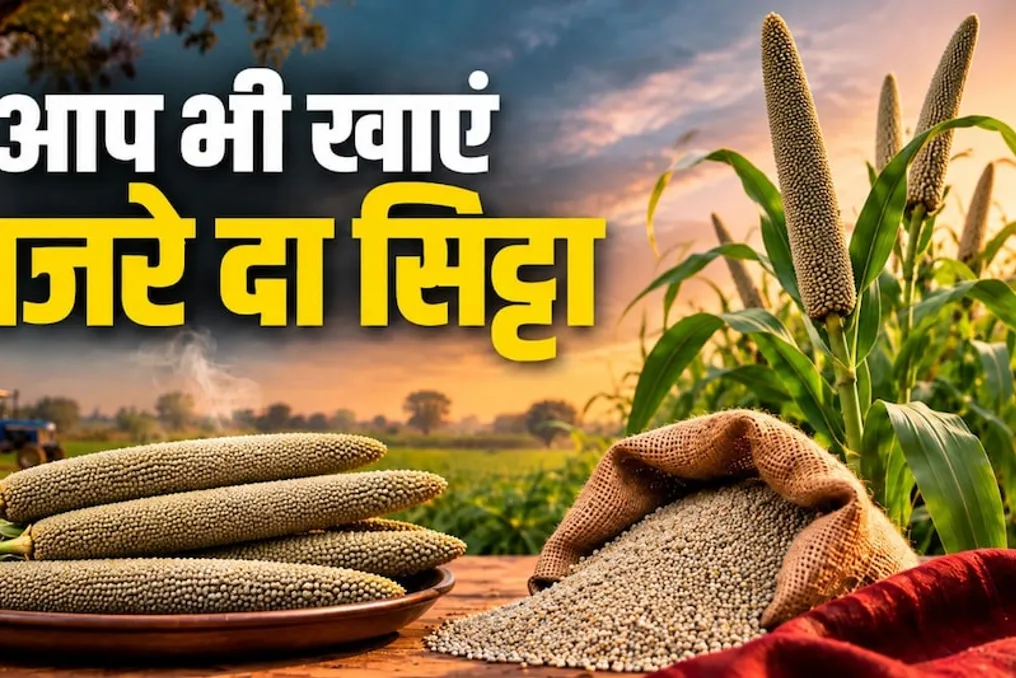
The familiar Punjabi folk song "Bajje da Sitta, bajje da sitta, ve tali te moradiya" is often heard, but many do not know what the phrase "Bajje da Sitta" actually means. In fact, "Bajje da Sitta" refers to the ear or grain of millet.
Similar to how ears form on a corn plant, a dense, cylindrical cluster of small round grains grows on the long stalk of millet.
In the context of this song, a beautiful story is told about a woman who works in the field and tries to reconcile with her offended lover. In the song, the woman says the phrase: "I picked the millet grains with my hands, but my beloved is still offended."
As mentioned in the song, raw millet is roasted in fire, and then the grains are separated by hand for consumption. During the winter season, when the millet harvest ripens, the fresh and raw ear is eaten by roasting it over charcoal or coals. Besides its delicious taste, this dish is considered beneficial for the body.
Strength and Endurance of Athletes
The millet ear is a rich source of minerals, complex carbohydrates, and proteins. It provides the body with both immediate and sustained energy, helping to eliminate sluggishness and strengthen the body.
Rich in Iron and Anemia Prevention
It contains a large amount of iron and folic acid. Regular consumption of this product in winter helps rapidly increase hemoglobin levels and helps eliminate blood deficiency (anemia).
Bone Strengthening
Millet is rich in calcium and magnesium. Roasted ears are especially beneficial in cold weather for relieving joint pain and increasing bone density.
Improving Digestion
Fresh millet grains roasted over coals contain insoluble fiber. This supports stomach cleanliness, prevents constipation, and facilitates the digestion of heavy food during the winter period.
Warming the Body from Within
Millet has a warming property. Consuming roasted ears in the evening during winter helps maintain internal warmth in the body, reducing the risk of colds and infections.
The fresh and green millet ear should be lightly roasted over coals (over a fire of chips or sawdust) until golden brown. Then, the grains must be separated by hand. These warm roasted grains can be eaten with a little butter or ghee, black salt, roasted cumin, and lemon juice.