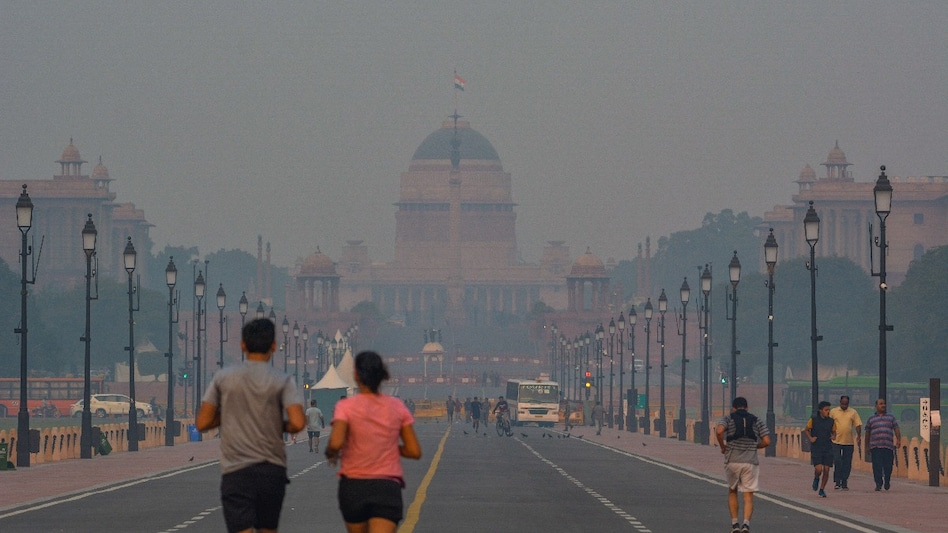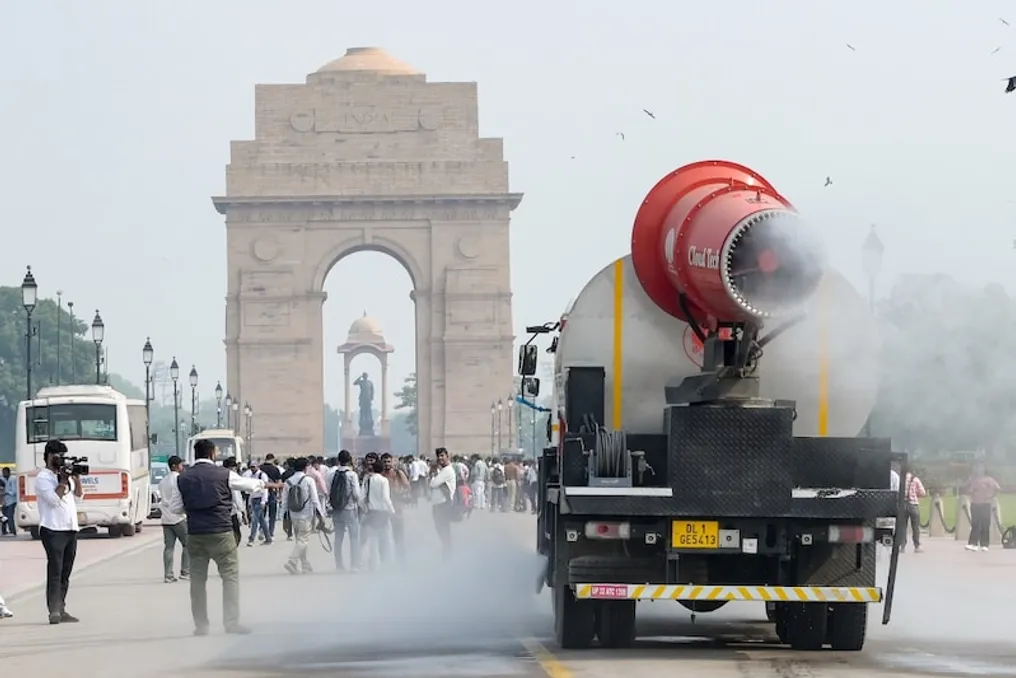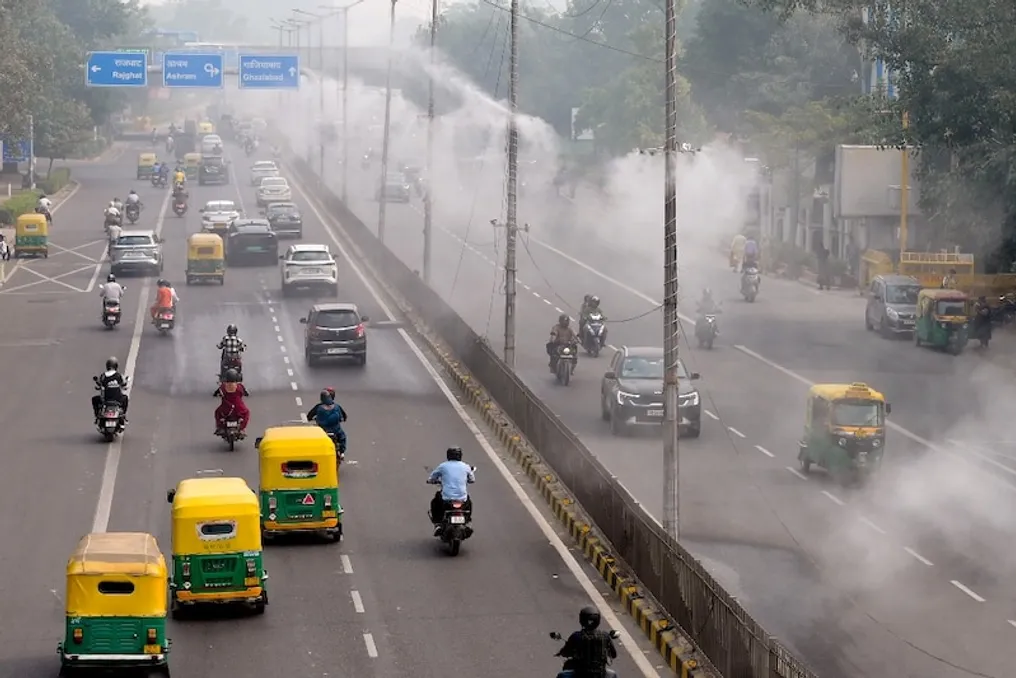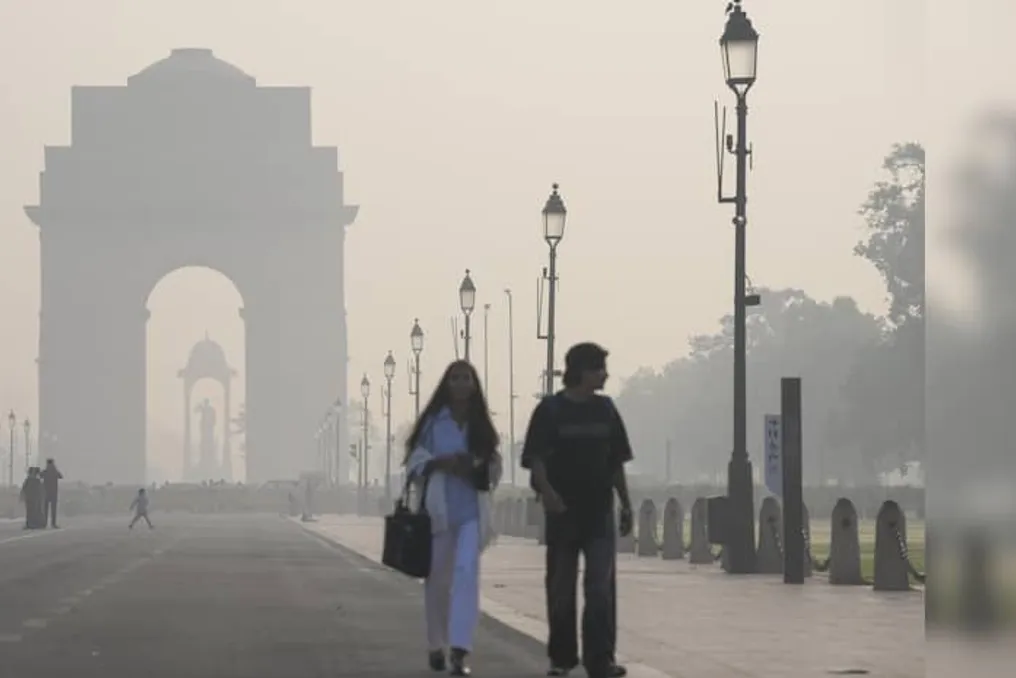
According to the Central Pollution Control Board, air quality in Delhi deteriorated to the 'very poor' category on Sunday, after being in the 'poor' category for nearly two weeks. The average Air Quality Index (AQI) over 24 hours in Delhi was 311.
The Central Pollution Control Board (CPCB) noted that the primary source of fine particulate matter PM2.5 pollution is emissions from vehicles. Weather experts attributed the deterioration of air quality to a decrease in wind speed, which limits the dispersion of pollutants.
Out of 59 monitoring stations, 32 were in the 'poor' category, 25 were in the 'very poor' category, one was in the 'moderate' category, and one was in the 'severe' category. The worst air quality was recorded in Chandni Chowk with an AQI of 410, while Lodhi Road registered a 'moderate' value of 191.
Previously, the city's air quality had been in the 'very poor' category on November 14, when the AQI reached 367. It then improved to 290 in 'poor' condition on November 15, and dropped to 204 on November 17. In subsequent days, fluctuations were observed: the AQI rose to 280 on November 19, fell to 239 on November 22, and then increased to 293 on Saturday before worsening to 311 on Sunday.
The dominant pollutant was PM2.5, which refers to fine particles with a diameter of 2.5 micrometers or less, capable of penetrating deep into the lungs and entering the bloodstream. According to real-time source apportionment estimates for Delhi, vehicular emissions accounted for 28.4 percent of the total PM2.5 load. The contribution of secondary organic aerosols was 21.1%, waste burning was 15.5%, biomass burning was 15%, and secondary inorganic pollutants were 12.4%.
Secondary organic aerosols are fine particles formed in the atmosphere when gases emitted by sources such as vehicles and industrial plants react with other compounds in the air. According to CPCB, an AQI from zero to 50 is considered 'good', 51 to 100 is 'satisfactory', 101 to 200 is 'moderate', 201 to 300 is 'poor', 301 to 400 is 'very poor', and 401 to 500 is 'severe'.
The Indian Meteorological Department's (IMD) early warning system for air quality predicts that air quality in Delhi is likely to remain in the 'very poor' category on November 30, and will improve to the 'poor' category from December 1 to December 2. IMD also forecasted a maximum mixing depth in Delhi of 1300 meters and a ventilation index of 2500 square meters per second.
A lower mixing depth hinders the vertical dispersion of pollutants, allowing them to accumulate closer to the ground surface. IMD indicated that a ventilation index below 6000 square meters per second combined with an average wind speed of less than 10 kilometers per hour is considered unfavorable for pollutant dispersion. The forecast for the next six days indicates that air quality will likely remain in the range of 'poor' to 'very poor'.