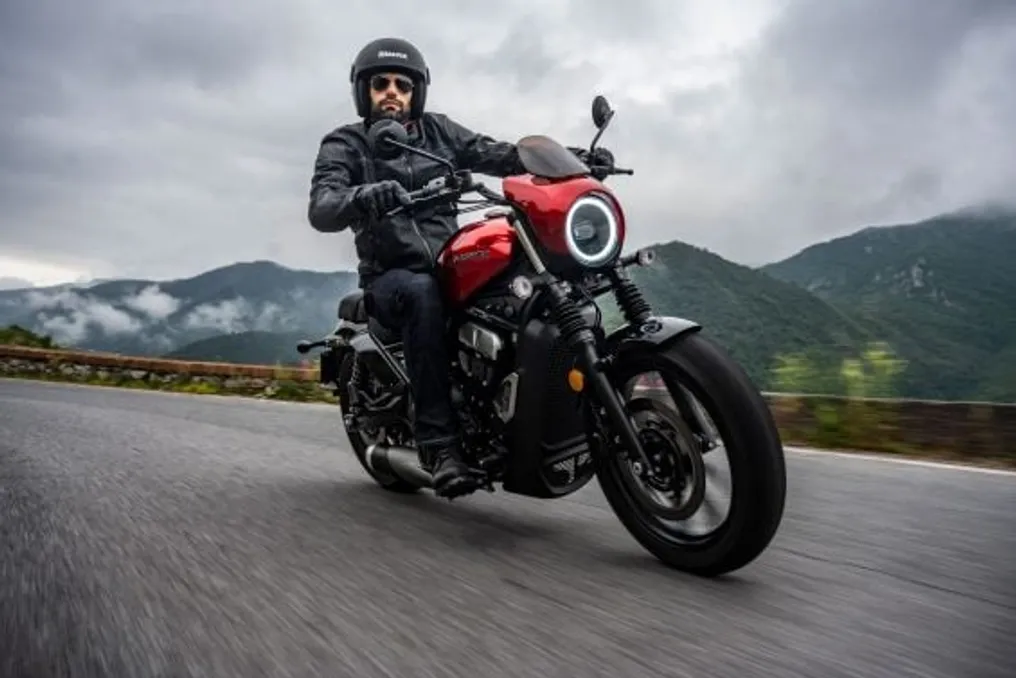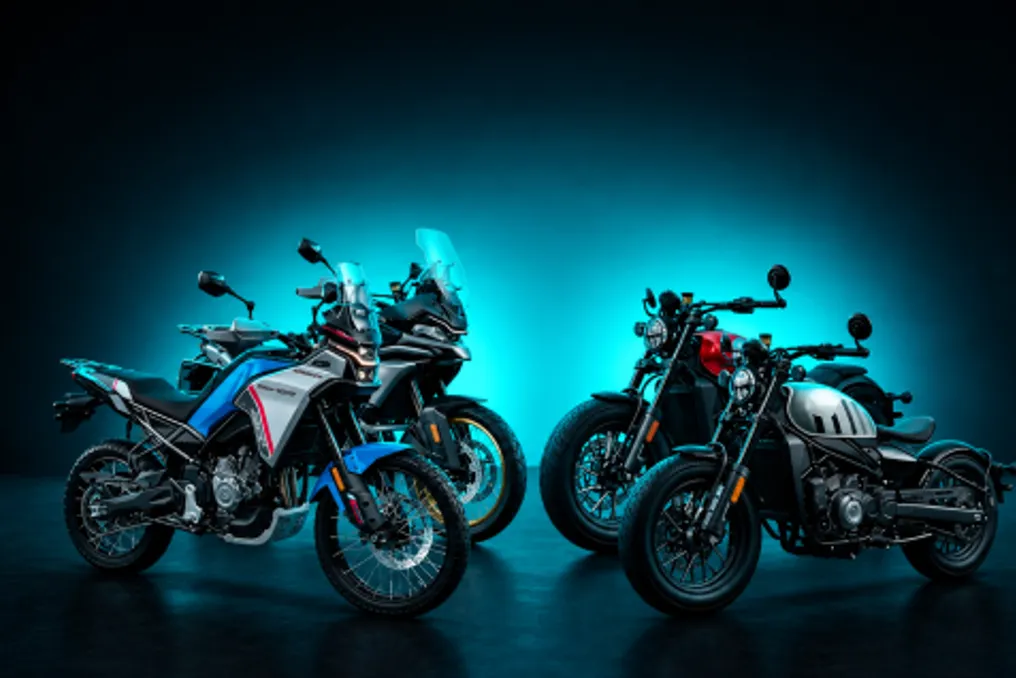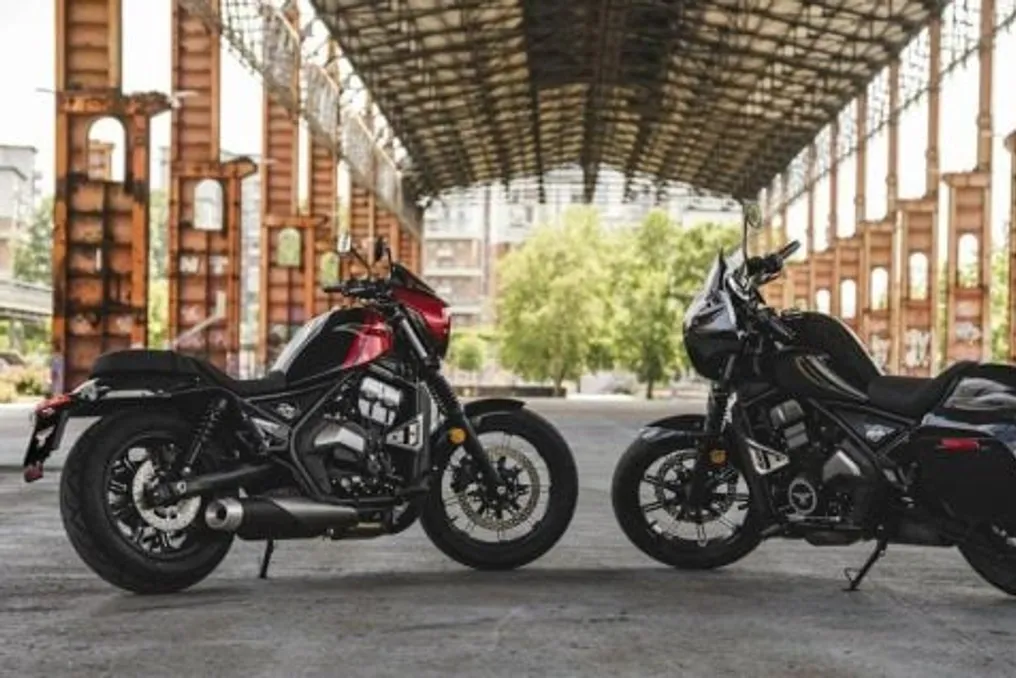
The Italian manufacturer Moto Morini began its operations in Brazil in May 2025, launching the first locally assembled motorcycles from the DBS Group line in Manaus. However, shortly over a year later, a significant change occurred in the landscape: 70% of the Brazilian representative's stake was sold to JMS Participações Group, owner of Avelloz.
With this transaction, Fabricio Morini stepped down from company management, remaining a partner in the remaining 30% and assuming the commercial board of the brand. According to the involved parties, the new strategic focus will be directed towards the higher displacement public, leveraging the infrastructure and market reach that JMS already possesses.
For motorcycle enthusiasts, the expectation remains that the Italian brand will manage to establish an adequate structure, including sales points and after-sales support.
Upon arriving in Brazil, Moto Morini had presented an ambitious plan, promising an investment exceeding R$ 250 million by 2027. This amount included assembly in Manaus, expansion of the dealership network, and establishing the brand's presence in the market. Fabricio Morini even mentioned the possibility of building its own factory in the Manaus Industrial Pole (PIM).
These investments were tied to the expectation of achieving substantial profits and a relevant market share. In March of this year, the businessman confirmed via tax invoice a revenue target of R$ 150 million for 2026, with projections to reach R$ 300 million annually by 2030, in addition to capturing 15% of high-displacement segment sales.
Sales targets also underwent rapid adjustments. In September 2025, the brand aimed to sell 900 motorcycles by the end of that year and 2,500 throughout 2026, with models costing approximately R$ 50 thousand, as reported by Brazil Economy. A month later, in an interview with ND Mais, Fabricio Morini raised this goal, projecting 5,000 motorcycles per year over the subsequent four years.
At the beginning of the following year, the target for 2026 was readjusted again, settling between 3,000 and 3,500 units, according to Exame, with an average price of R$ 52 thousand. However, this upward trajectory began to change drastically. The most impactful factor was the sudden reduction in revenue expectations. In an article published by Forbes in August, Moto Morini reduced its R$ 150 million target to R$ 85 million by the end of 2026, representing a drop of R$ 65 million, or 43%, compared to what had been previously announced.
Registration data helps justify this setback. Between January and August 2026, 415 motorcycles were registered, which represents less than a third of the more conservative target the brand had disclosed. Production also decreased in discourse: in September, during the Interlagos Festival, the declared target was 1,600 motorcycles assembled in Brazil that year.
At the current pace, the annual goal of R$ 300 million by 2030 seems distant, as the brand would need to multiply its projected 2026 revenue by 3.5 to achieve it. Furthermore, the factory plans never materialized, and the brand continues to produce on the DBS Group line in Manaus under the CKD regime, using components from China.
Another unfulfilled aspect was the store network: initially, 14 stores were planned by June 2026, a number that rose to 16 by the end of the year, but then fell back to 15 in May. Currently, the brand has 8 official dealerships distributed across Brazil, seven of which were inaugurated in 2025. Throughout 2026, the network expanded by only one unit in Belo Horizonte. Cities such as Rio de Janeiro, Recife, Fortaleza, Belém, and Manaus were in the initial plan but never received a point of sale. The Amazonian capital, where the bikes are assembled, remains without a store.
The entry of JMS Group represents a new opportunity for an Italian brand showing signs of weakening. Moto Morini has belonged to the Chinese conglomerate Zhongneng since 2018. Although the project is conceived in Italy and parts come from China, the final assembly takes place in Manaus.
What the buyer offers is exactly what the Italian brand lacked: a distribution network and scale. Avelloz has about 460 accredited sales points in the country, including 170 franchises, compared to Moto Morini's 8 stores. Avelloz is the fifth best-registered brand in Brazil and is expected to close 2026 with approximately 31,800 registrations, compared to 544 units in 2018. Over eight years, the Brazilian brand has grown 58 times, totaling over 140,000 motorcycles sold.
JMS Group brings not just stores; with 35 years of experience, it adds motorcycles, sales systems, credit, technology, logistics, and services—a structure that the Italian operation never implemented in the country. Jayme Siqueira, president of JMS Group and new CEO of Moto Morini Brazil, stated: 'It is not just about incorporating a brand into the group, but about putting all our structure, from logistics to credit, from sales to after-sales service, at the service of a traditional brand.'
Fabricio Morini reinforced this vision, stating: 'The brand has built respect among motorcyclists here, and with JMS Group, it gains scale, network, and service capacity, with more parts and more assistance closer to the customer,' while holding the position of Commercial Directorate for the South and Southeast of Avelloz.
Both companies have plans to meet in Manaus. Avelloz will begin assembling motorcycles in the Amazonian capital in the first quarter of 2027, starting with the AZ170 model, and has hired the same DBS Group responsible for assembling Moto Morini. At least 40,000 motorcycles from the Brazilian brand are planned for the next three years, in addition to consulting for Avelloz's future own factory. For 2027, the group plans to launch four new models, scheduled to debut between January and June.
It is important to note that Avelloz's network was developed for smaller motorcycles, in the cub, trail, and street categories, with a customer profile and average ticket distinct from Moto Morini's R$ 52 thousand. Maintaining and selling a 650 cm³ requires specific equipment, training, and parts inventory that a cub store does not possess. Moreover, leading the Northeast in registrations will only become an advantage if the Italian brand manages to establish itself in the region, where it currently has only one dealership in Salvador.