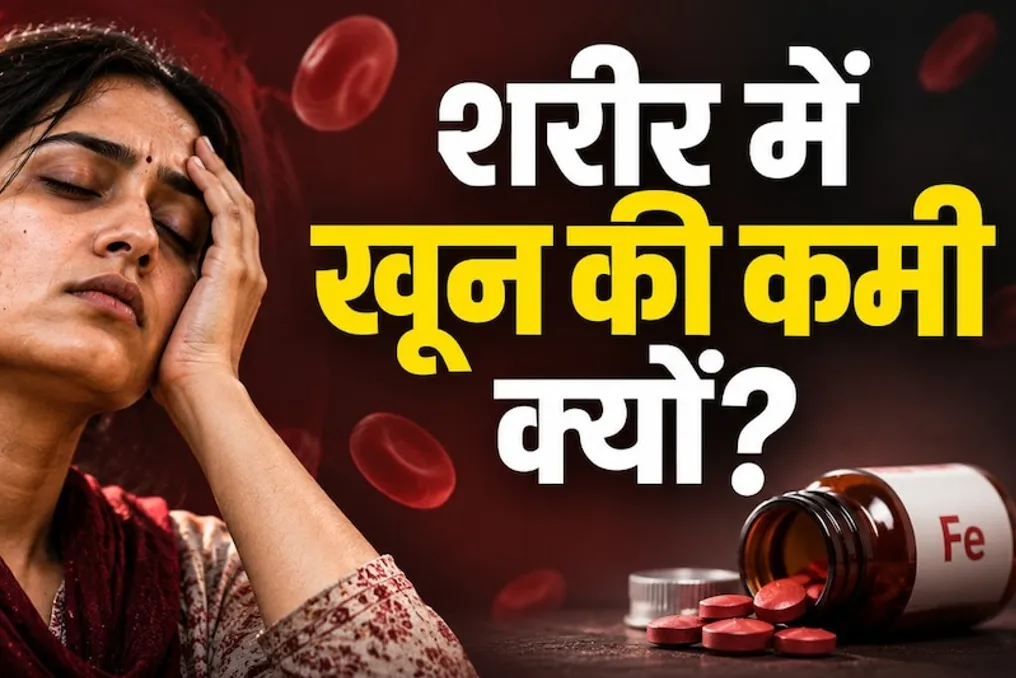
Reasons why hemoglobin levels do not rise despite taking iron supplements
Read more
Aaj Tak
www.aajtak.in

Reasons why hemoglobin levels do not rise despite taking iron supplements

According to a new report by SAMPADA from ICMR-NIN, anemia, or blood deficiency, has been identified in 55.9 percent of women of reproductive age in the country. Approximately half of all anemia cases occur in women, adolescents, and children and are linked to iron deficiency.

Although iron deficiency leads to anemia, there are situations where women experience a decrease in hemoglobin levels even after taking iron tablets. The causes of this phenomenon can be varied.

According to the World Health Organization, anemia does not always mean iron deficiency. The cause could be a lack of vitamin B12 and folic acid, as well as prolonged infectious diseases. In such cases, taking only iron supplements will not solve the problem.

Furthermore, heavy menstrual bleeding can cause anemia in some women. Monthly heavy bleeding gradually lowers iron levels in the body. If a woman takes iron supplements but continues to have heavy bleeding, the improvement in hemoglobin levels will be minimal.

Sometimes women consume iron-rich foods and take medications, but their body is unable to properly absorb the iron. This can happen with celiac disease or other gastrointestinal disorders. Often, women are unaware whether they are absorbing iron adequately.

Therefore, if hemoglobin levels do not increase after taking iron supplements, instead of increasing the dose independently or taking the medication for a long time, one should consult a doctor. Proper treatment of anemia is only possible after establishing the true cause, for which a doctor may prescribe a series of tests.

For diagnosing anemia, the doctor first recommends undergoing a complete blood count (CBC) test, which provides information about hemoglobin and erythrocytes. Additionally, as necessary, levels of iron, vitamin B12, and folic acid may be checked.
Similar stories

ICMR study shows that over half of women of reproductive age in India suffer from anemia
Read more
timesofindia.indiatimes.com

ICMR study shows that over half of women of reproductive age in India suffer from anemia

According to a new national study conducted by the Indian Council of Medical Research (ICMR), more than half of women of reproductive age in India have anemia. Furthermore, nearly two-thirds of adolescents, both girls and boys, suffer from Vitamin B12 deficiency, indicating a broader nutritional problem beyond simple iron deficiency.

The survey covered over two hundred thousand people across 183 districts in 35 states and union territories, utilizing data from more than 81,000 households and analyzing over 170,000 blood samples.

Specifically, among children, anemia was found in 41.8 percent of children aged 12–59 months and 31.3 percent of children aged 5–9 years. Among pregnant women, the prevalence of anemia was 43.6 percent, and among lactating women, it was 58.1 percent. In adult men aged 20–59, the anemia rate reached 22 percent.

Iron deficiency linked to increased risk of acute heart failure in pregnant women
Read more
nplus1.ru

Iron deficiency linked to increased risk of acute heart failure in pregnant women

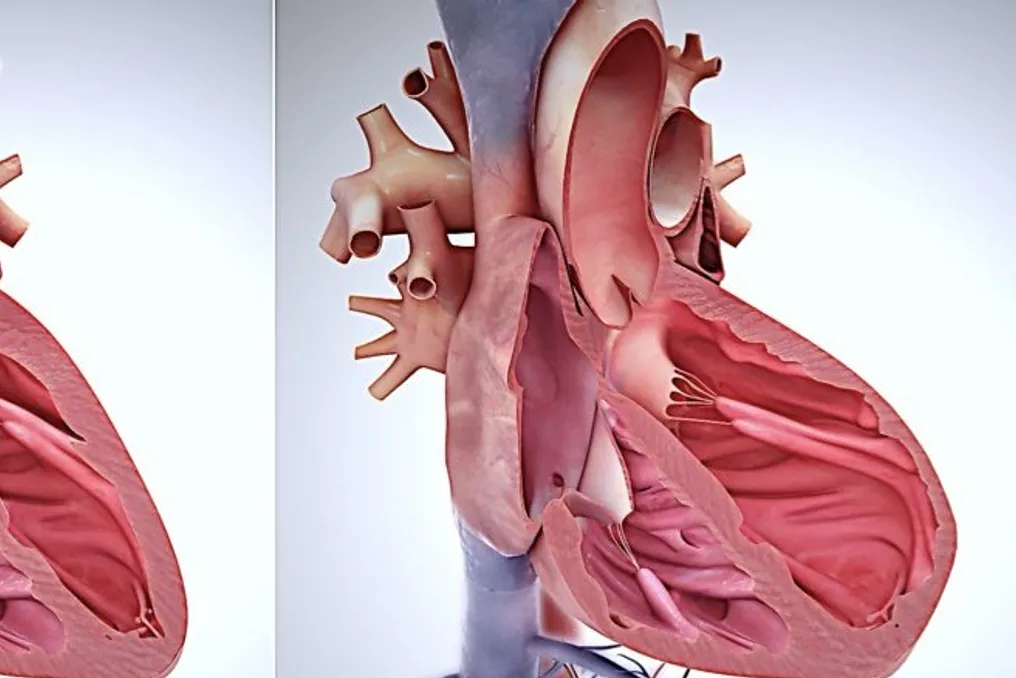
According to a study conducted by Indian scientists, iron deficiency is associated with an increased risk of developing acute heart failure both during and after pregnancy. It is important to note that this link was observed regardless of whether the woman has anemia.

The study results, published in the journal JAMA Cardiology, demonstrated that this association persists even after accounting for hypertensive disorders characteristic of pregnancy. Furthermore, it was found that moderate and severe anemia additionally increases the probability of developing acute heart failure.

Review shows effectiveness of iron intake in preventing anemia in children and adolescents
Read more
nplus1.ru

Review shows effectiveness of iron intake in preventing anemia in children and adolescents

According to a review conducted by the Cochrane Center, daily intake of iron supplements, as well as combined preparations containing iron with folic acid or vitamins, demonstrates high effectiveness in preventing iron deficiency anemia among children and adolescents.

This review is based on the analysis of a large data set: it includes a meta-analysis covering 101 studies, as well as a narrative analysis of another 13 scientific papers. The results of this study were officially published in the Cochrane Database of Systematic Reviews library.

Popular