Vastu Rules: Three Directions Where Money Plants Should Not Be Placed According to Beliefs About Financial Well-being
Read more
Aaj Tak
www.aajtak.in

Vastu Rules: Three Directions Where Money Plants Should Not Be Placed According to Beliefs About Financial Well-being

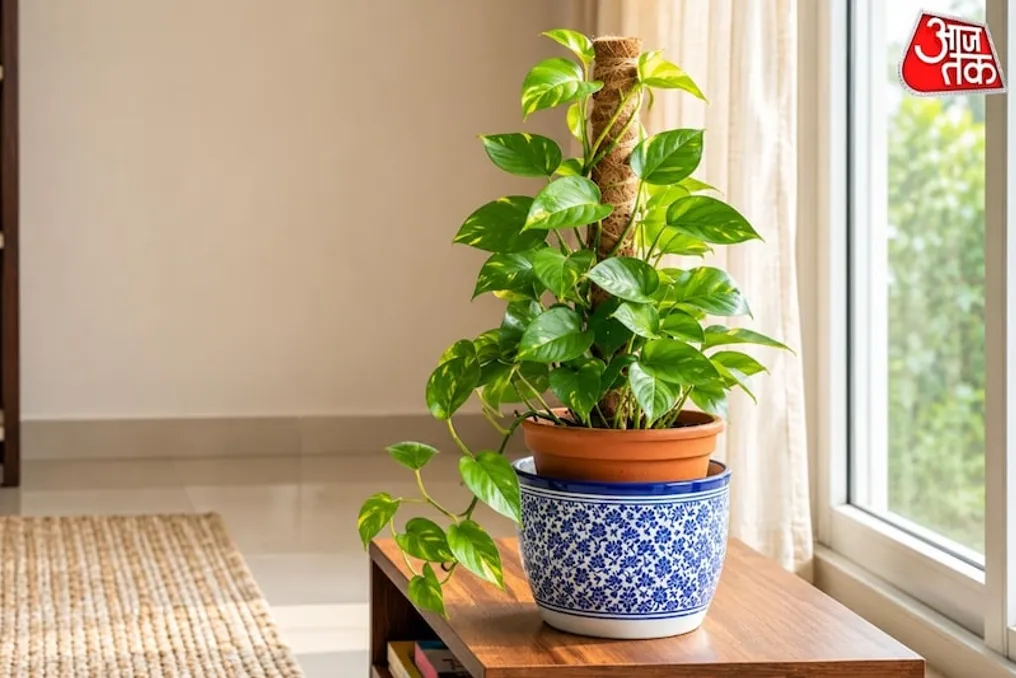
The Money Plant is currently often found in residential homes. Some people use it to decorate the interior, while others associate it with prosperity and happiness. According to Vastu Shastra, the Money Plant is considered a symbol of wealth and economic growth. However, there is a belief that improper placement or selection of a spot for this plant can reduce its favorable effect.

Many homeowners place Money Plants but neglect to pay attention to its direction, the growth of its shoots, and its care. According to Vastu beliefs, it is undesirable to place the Money Plant in the northeast direction (Ishan Kon), allow its shoots to spread on the ground, or leave dry leaves on the plant for too long. Below are important Vastu rules related to the Money Plant and mistakes to avoid.

According to Vastu Shastra, one should avoid placing the Money Plant in the northeast direction, known as Ishan Kon. It is believed that such placement can negatively affect the well-being of the home. In Vastu, this direction is associated with Jupiter, whereas the Money Plant is linked to Venus.

It is also not recommended to allow the Money Plant's shoots to hang on the ground. Since this is a fast-growing climbing plant, its branches should be directed upwards, not left on the floor. It is believed that upward-growing shoots symbolize progress and development. This can be achieved by using a wall, stand, or other support.

Another mistake is placing the plant under direct and intense sunlight throughout the day. This can lead to yellowing or scorching of the leaves. It is best to place the plant where there is enough light but without direct sun exposure to ensure good growth.

Furthermore, you should not place the Money Plant right next to the bed. If you want to place it in the bedroom, choose a spot where the plant will have enough light and air. It is advised to avoid placing the pot directly at the headboard or in close proximity to the sleeping area.

It is important to pay attention to the plant's care, not ignoring dry or damaged leaves. If leaves turn yellow or dry, they must be removed. If the pot cracks or water accumulates in it, it should be replaced. In Vastu beliefs, a dry plant is not considered auspicious, and from the plant's health perspective, moldy leaves and stagnant water must be monitored.

According to Vastu Shastra, the southeast direction, or Agni Kon, is considered the most favorable for planting the Money Plant. This direction is associated with Venus. According to beliefs, placing the plant here brings wealth and happiness into the home. It can be placed in the living room or any place with sufficient lighting.

Vastu beliefs consider the southeast direction most suitable for the Money Plant. It can be placed in a living room or another place with good lighting. However, it is not recommended to place it in the northeast corner. The plant should be positioned so that its shoots can easily grow upwards.

In Vastu Shastra, green or blue pots are considered good for the Money Plant. Some beliefs also favor clay pots. It is important that the pot is not damaged or dirty. For good growth of the plant in the pot, there must be a proper drainage system for water.

Many people place the Money Plant near the main entrance, associating it with positivity and happiness. Nevertheless, the plant should be positioned so that it does not obstruct passage and its shoots do not create obstacles for people. The plant must always remain healthy and lush.

According to Vastu, the Money Plant can also be kept in the bedroom. It should be placed in a corner of the room that receives enough natural light. However, it should not be placed right next to the bed or in a place where its shoots might spread and cause inconvenience. Regular care of the plant is also a necessary condition.

To keep the Money Plant green, it needs to be watered regularly. If the plant is in water, the water must be changed periodically. If it grows in soil, it should not be overwatered. Water only after the top layer of soil has dried. Stagnant water can damage the plant's roots. Leaves should also be cleaned of dust regularly.

It is necessary to avoid placing the Money Plant in the northeast direction. Its shoots must not be allowed to spread on the ground. Dry and yellow leaves should not be left on the plant for a long time. The plant should not be planted in a broken or dirty pot. It is also not advisable to keep the plant in a dark and damp place. The plant's shoots should not grow in a way that obstructs doors or passages.
Similar stories

Rules for Placing Images of Ma Kali at Home: Auspicious Directions and Important Recommendations
Read more
www.aajtak.in

Rules for Placing Images of Ma Kali at Home: Auspicious Directions and Important Recommendations

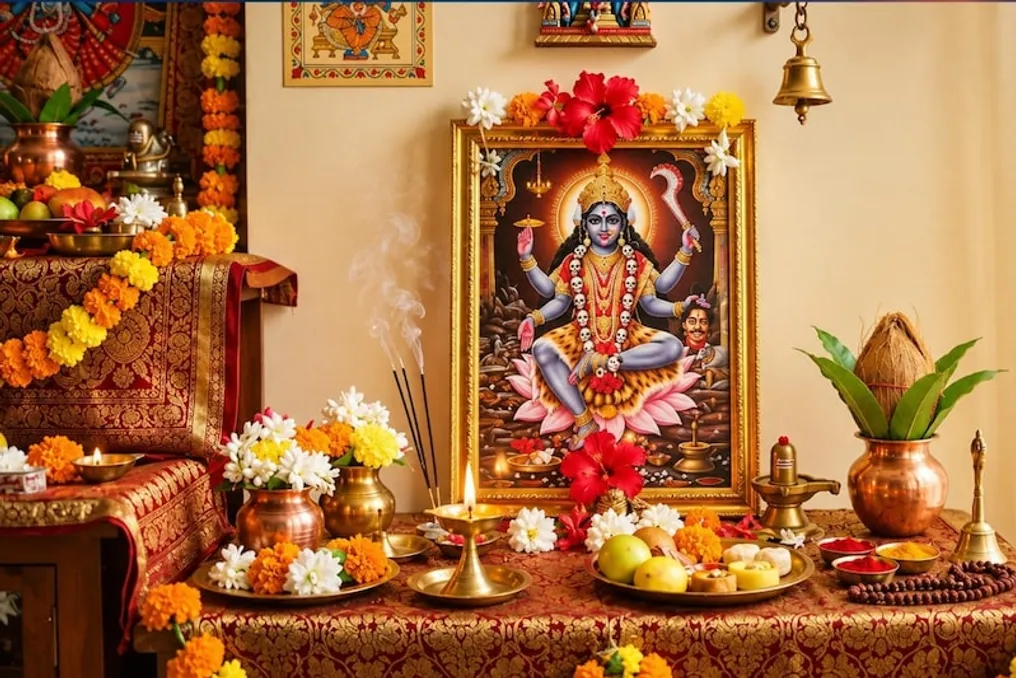
In Hinduism, the goddess Ma Kali is revered as an embodiment of strength, courage, and the destroyer of evil forces. Her image is considered both powerful and mysterious, which leads many people to question the advisability of placing her picture in the home and whether her fierce appearance might increase negativity.

According to the principles of Vastu Shastra and religious beliefs, placing an image of Ma Kali in the home is not considered inauspicious. However, when installing the painting, it is crucial to consider the direction and location. There is a belief that regular worship of Ma Kali with sincere faith strengthens a person's self-confidence, bravery, and ability to cope with difficulties. The necessary rules for installing an image of Ma Kali are presented below.

From the perspective of religious beliefs, keeping an image of Ma Kali at home is not a mistake. Goddess Ma Kali is viewed as a symbol of protection, strength, and the victory of good over evil. Beliefs state that worshipping her eliminates fears and gives the courage to face life's adversities.

Nevertheless, it is considered that special Tantric practices and worship of her fierce form differ from ordinary prayer. Guidance from a guru is required for such practices.

According to some Vastu concepts, the southern direction of the house is considered auspicious for placing an image of Ma Kali. In religious traditions, the south direction is also associated with power and Ma Kali herself. Therefore, it is recommended to place the painting facing south in a place designated for worship.

The painting should be in a clean and sacred place where rituals can be regularly performed. It should be remembered that opinions on directions may vary across different traditions, so one should also consider their own family methods of worship.

There is no single list of forbidden directions for an image of Ma Kali across all Vastu traditions. Nevertheless, some Vastu and religious beliefs advise against placing the painting in places that lack an atmosphere conducive to worship.

Such places include the northeast direction, where some Vastu teachings recommend refraining from displaying Ma Kali in her fierce form. It is also undesirable to place such an image in the bedroom. Furthermore, the painting should not be located in front of or near the bathroom, nor under the stairs, as these areas are unsuitable for displaying divine images. It is also necessary to ensure that there is no clutter, shoes, or unnecessary items around the painting.

For a home shrine, it is best to choose an image of Ma Kali that evokes a sense of reverence and devotion. If your family tradition involves worshipping a calm form of the goddess, you can choose that one. While images of her fierce aspect are more common among followers engaged in specialized practices, ordinary household members can choose a painting according to their family tradition and belief.

When placing an image of Ma Kali, five important points should be considered: always keep the painting in a clean and sacred place; do not allow clutter or useless items to accumulate around it; regularly clean the place of worship; place the painting where prayers can be peacefully offered; and when performing special Tantric practices, seek advice from a guru or knowledgeable person.

In religious views, Ma Kali is revered as a goddess of strength, courage, and protection. The most important elements in worshipping her are devotion, purity of heart, and regular worship. There is no need to fear placing her image at home; Ma Kali can be remembered according to one's family tradition and method of worship.

According to Vastu, placing five items in the north direction of the house attracts wealth
Read more
www.aajtak.in

According to Vastu, placing five items in the north direction of the house attracts wealth

In Hindu tradition, Kubera Deva is revered as the deity of wealth and prosperity. It is believed that where the grace of Kubera Deva is present, happiness and prosperity are maintained. Within Vastu Shastra, the north direction of the house is designated as the abode of Kubera Deva. This is why special attention should be paid to small details related to this direction. There is a belief that placing certain items in the northern part of the dwelling can bring abundance and joy into the home. If you aim to avoid financial difficulties and maintain well-being in the house, you should definitely place the following five things in the northern sector.

Vastu Tips

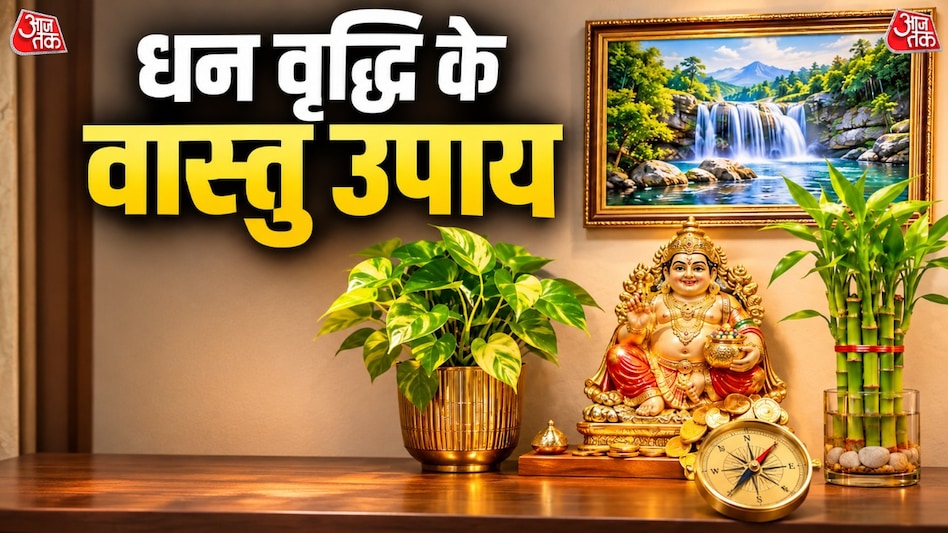
The first thing recommended to place in the north direction of the house is an image or statue of Kubera Deva. In Vastu, this is associated with abundance and happiness. A Kubera Yantra can also be placed in this area. When conducting rituals, close attention must be paid to cleanliness and reverence.

The second is decorating the space with lush plants. According to Vastu Shastra, it is auspicious to plant a money plant and bamboo in the northern part of the house. Additionally, the Tulsi plant can be placed here. It is believed that green plants maintain a positive atmosphere and happiness in the home. It is important to ensure that the plants always remain green and to care for them regularly by removing dry or withered specimens.

The third is placing a small fountain or aquarium. Vastu Shastra allows for the installation of a water fountain or aquarium in the north direction. It is also favorable to keep a turtle made of metal or crystal. According to belief, flowing water is a symbol of progress and well-being. Nevertheless, when placing these items, their cleanliness must be carefully monitored.

The fourth is hanging images with running water. On the wall of the north side of the house, you can hang a picture of a river, waterfall, or running water. In Vastu Shastra, such images are associated with positivity and happiness. Furthermore, a beautiful sign with the name and a wind chime can be installed at the main entrance of the house.

The fifth is placing a metal pitcher in the north direction. According to Vastu, it is good to keep a copper or brass pitcher in the north part of the house. Pure water can be poured into it. It is believed that a pitcher filled with water is a symbol of prosperity and happiness. It is necessary to ensure that the water in the pitcher is changed periodically and that it remains clean.

According to Vastu, five types of plants should be avoided on the roof of a house due to possible negative consequences for well-being.
Read more
www.aajtak.in

According to Vastu, five types of plants should be avoided on the roof of a house due to possible negative consequences for well-being.

Recently, there has been a significant increase in the popularity of creating garden areas on rooftops. People are using empty roofs to plant various species, turning them into green and picturesque spaces. This not only improves the appearance of the dwelling but also provides an opportunity to spend time in an atmosphere of tranquility amidst greenery. However, according to Vastu Shastra, some types of plants are considered unsuitable for a home. There is a belief that placing such plants on the roof can amplify negative aspects and negatively affect the prosperity and happiness of the family. Therefore, when designing a rooftop garden, it is crucial to carefully select the plants.

Which plants should not be planted on the roof according to Vastu?

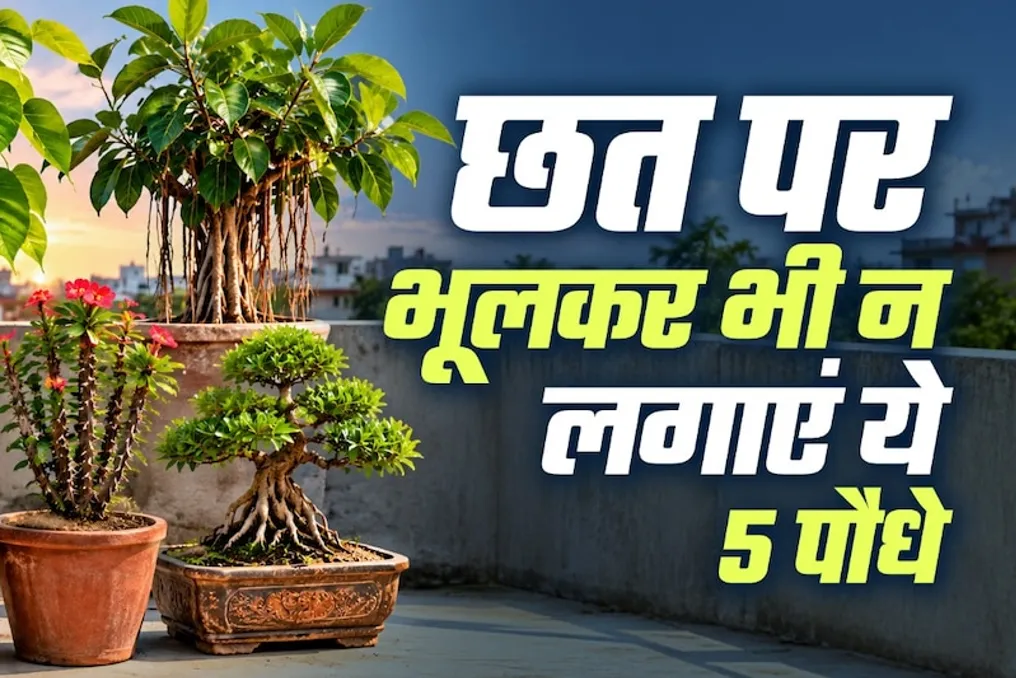
There is a number of plants that, in the opinion of Vastu, should not be placed on the roof. The first on the list are cacti and other thorny plants. Although many people prefer them because they require minimal care, Vastu does not favor thorny plants. It is believed that their presence can contribute to increased tension and disagreements within the family, so it is recommended to refrain from planting them on the roof.

Vastu also advises against planting trees such as Peepal and Banyan on the roof, despite their great religious significance in Hinduism. Sometimes birds carry seeds of these trees into cracks in the roof, where they gradually sprout. Since the roots of these trees are very strong, their growth can lead to cracks in the walls and the roof itself, so it is necessary to prevent the appearance of Peepal and Banyan on the roof.

The third point concerns climbing plants that spread everywhere. Although plants like Monstera decorate the house, their uncontrolled spread is considered undesirable from a Vastu perspective. It is claimed that such sprawling can become an obstacle to the development of the house and also lead to financial difficulties. Consequently, climbing plants should be directed and secured with a trellis or support so that they grow in the correct direction.

Furthermore, Vastu disapproves of bonsai and withered plants. Bonsai are valued for their small and beautiful appearance, making them a popular choice for decoration. However, there is a belief that these plants can hinder progress. Additionally, dry leaves and withered plants should not accumulate on the roof; they should be removed regularly.

Finally, the rubber plant is mentioned. This species is known for its large and glossy leaves and is often used to decorate interiors. When placing it on the roof, certain points must be taken into account. Its leaves can suffer from intense sunlight. According to Vastu principles, withered plants are undesirable, so the rubber plant should be placed in a location where it receives sufficient light.

Popular