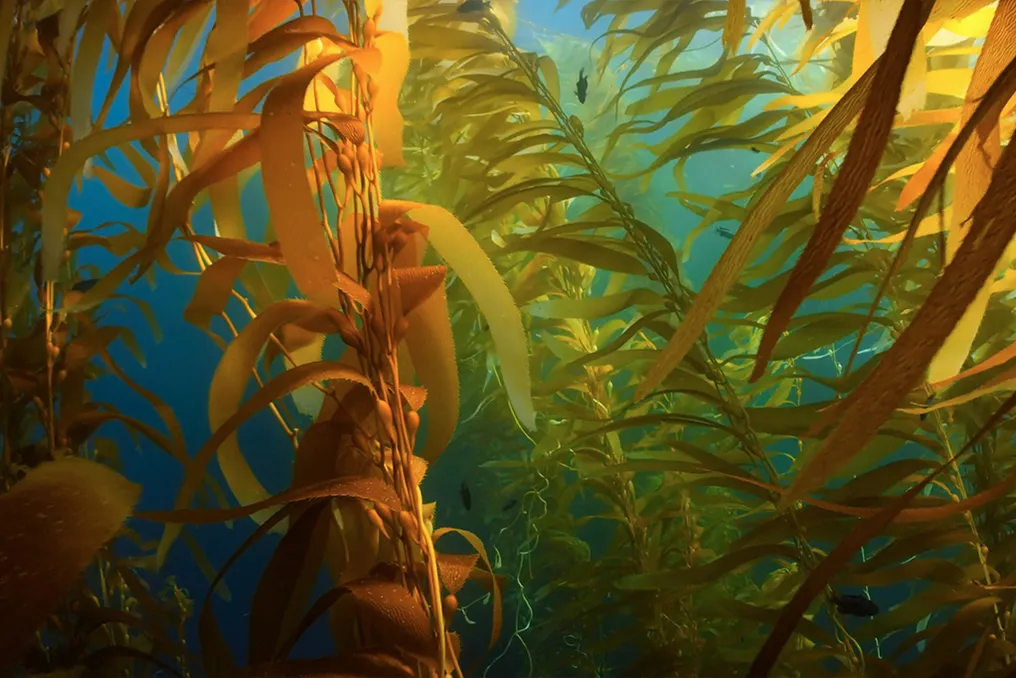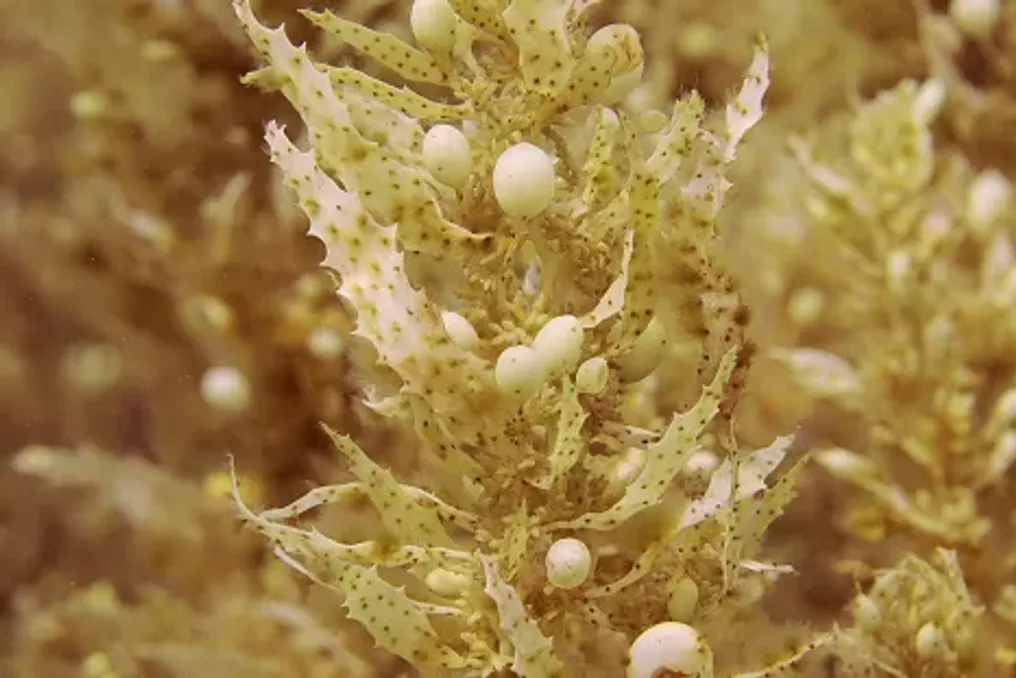
Researchers have discovered extensive underwater forests in deeper waters near Lord Howe Island in Australia. This rare species of algae, which had not been recorded in mature form for nearly nine decades, was rediscovered in 2022.
The discovery of Sargassum howeanum, a brown macroalga first described in the 1930s, occurred unexpectedly during a fish survey. Scientists used underwater cameras with bait off the island's coast, and the recordings showed dense clusters of algae on seabed areas that were previously sparsely vegetated.
This species was originally collected and described by botanist A.H.S. Lucas in 1935. Despite periodic detection of small samples in the island's shallow waters, the large, mature form of Sargassum howeanum had not been observed for decades.
The research findings, published in the journal Ecology, highlight the potential significance of deep-sea environments as a refuge for marine vegetation amid changing oceanic conditions.
The initial discovery happened while researchers were reviewing video footage collected during underwater fish surveys in 2022. Some samples became entangled in camera equipment and were brought to the surface, allowing scientists to identify them. The collected samples measured 53 cm and 72 cm in length, confirming the presence of mature Sargassum howeanum.
By comparing records from surveys conducted in 2009, 2013, 2017, and 2022, researchers also documented a significant expansion of underwater algal forests around Lord Howe Island. The area of these forests increased 22 times over the observation period, with the growth being found at depths of up to 38 meters. Previously, many of these areas were occupied by bare reef, grassy algae, and random coral communities.
Additional Information
This discovery raises questions about the role of deep-sea environments in helping algae species survive in a changing ocean. These deep reef environments, known as the mesophotic zone, may have conditions different from those closer to the surface, including lower temperatures and less exposure to certain environmental factors.
Researchers suggest that these habitats could serve as a refuge for some marine algae as ocean temperatures rise, although further monitoring is required to determine whether deep waters truly protect these populations in the long term.
The study noted that satellite temperature data at depths between 20 and 50 meters around Lord Howe Island were lower during the 2017 and 2022 surveys than in 2009. The cooler, nutrient-rich water may have contributed to the colonization, growth, and preservation of the algae, although other environmental factors may also have played a role.
Like canopy-forming kelp forests, Sargassum species provide an important habitat for marine life. These underwater ecosystems support biodiversity, influence food chains, and contribute to marine ecological processes. The genus Sargassum includes over 350 species and is one of the most widespread and ecologically significant canopy-forming macroalgae, especially in tropical and subtropical marine environments.
Nevertheless, despite their ecological importance, local Sargassum forests received relatively less attention in conservation and monitoring initiatives compared to temperate kelp ecosystems. Researchers warn that the expansion of these forests could also alter existing reef ecosystems, potentially affecting corals, sponges, fish, and other organisms living on the seabed. Further research will be needed to understand the ecological consequences of the algal expansion around Lord Howe Island.
This discovery comes against the backdrop of rising ocean temperatures and increasing marine heatwaves, which can affect marine vegetation through changes in photosynthesis, growth, and reproduction. Lord Howe Island experienced a severe marine heatwave in 2024, with reports of widespread coral and algal die-off in the lagoon. The average spring temperature at depths between 20 and 50 meters reached 19.88°C, approximately 0.53°C warmer than in 2009.
Researchers believe that repeated surveys can help determine whether deep algal forests serve as a refuge from warming or remain vulnerable to extreme marine events. Long-term monitoring will be particularly important for understanding how these ecosystems respond to environmental changes and whether the recently discovered forests will persist in the coming decades.