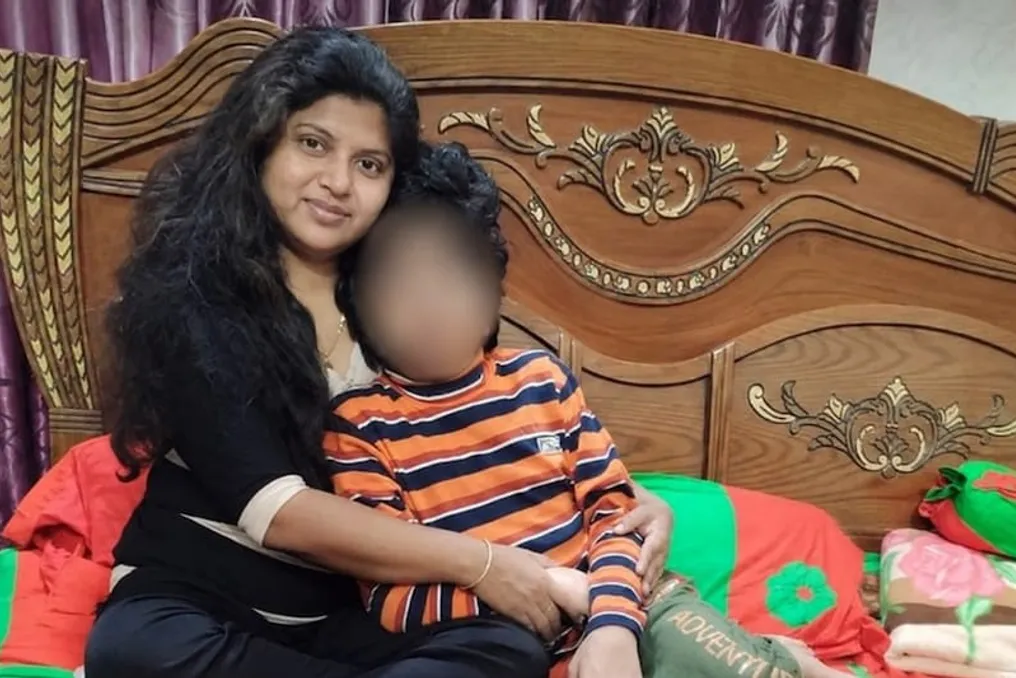
The story of a mother from China who documented every moment of her two-year-old son's last 11 days has evoked strong emotions from millions of social media users. Knowing that the child's life was limited, the mother tried to spend every minute with him. After her son's death, she shared video recordings and her feelings on social media, aiming not only to express her pain but also to draw attention from other women and families to important health aspects.
This story belongs to 25-year-old Chen Xuan, who lives in Changsha city, Hunan province, China. Her son was named Daodao. In the first few months after birth, everything seemed normal, but around three months of life, signs of developmental problems appeared. The child did not react to stimuli like other children and often looked lethargic. Consequently, the family sought medical help and visited many medical institutions.
After examinations, it was discovered that Daodao suffers from a rare hereditary disease—Primary Hyperoxaluria Type 1 (PH1). This inherited disease causes an excessive accumulation of a substance called oxalate in the body. This creates a risk of kidney stone formation and gradual deterioration of kidney function, and in severe cases, may require a liver transplant.
When Daodao's condition began to deteriorate sharply, he was placed in a specialized hospice for critically ill patients whose recovery was unlikely. Doctors informed the family that the child might only have one or two days left. Nevertheless, Daodao continued to fight for his life for some time. His father noted that every day spent with his son felt like an extra gift. However, the child's condition gradually worsened, and medications stopped working due to the serious consequences of the disease. Around the sixth and seventh day, a problem with drug resistance arose, forcing doctors to administer higher doses of sedatives.
The eighth day marked further deterioration: the child began having frequent seizures and vomiting. The mother remained constantly by his side, providing care, including regular cleaning of mucus from her son's mouth. In the final days, Daodao's reaction decreased; he stopped recognizing those around him and responding to them. Gradually, he stopped opening his eyes. Finally, on the morning of the 11th day, at 5:18 AM, Daodao passed away.
Having lost her son, Chen Xuan posted the story of Daodao's final days on social media. She described how agonizing such a separation is for any parent and expressed her love for her son and the pain of separation. This story deeply touched the public, causing a wave of sympathy. Many users expressed understanding for the mother's pain, noting that caring for a child in the final moments of life demonstrates great parental love.
Chen Xuan used her story to urge other women and families to pay more attention to genetic testing. She emphasized that genetic screenings can help detect certain hereditary diseases. Early detection of the disease allows families to receive qualified medical consultation and plan future actions. Since many hereditary ailments can be passed down from parents to children, and the symptoms of some diseases do not appear immediately after birth but months later, it is crucial to consult doctors and stay informed about necessary tests if there is a history of such diseases in the family. Chen Xuan's story serves not only as a reflection of the mother's personal tragedy but also as an important message for families unaware of the existence of such rare pathologies.