Rules for Placing Images of Ma Kali at Home: Auspicious Directions and Important Recommendations
Read more
Aaj Tak
www.aajtak.in

Rules for Placing Images of Ma Kali at Home: Auspicious Directions and Important Recommendations

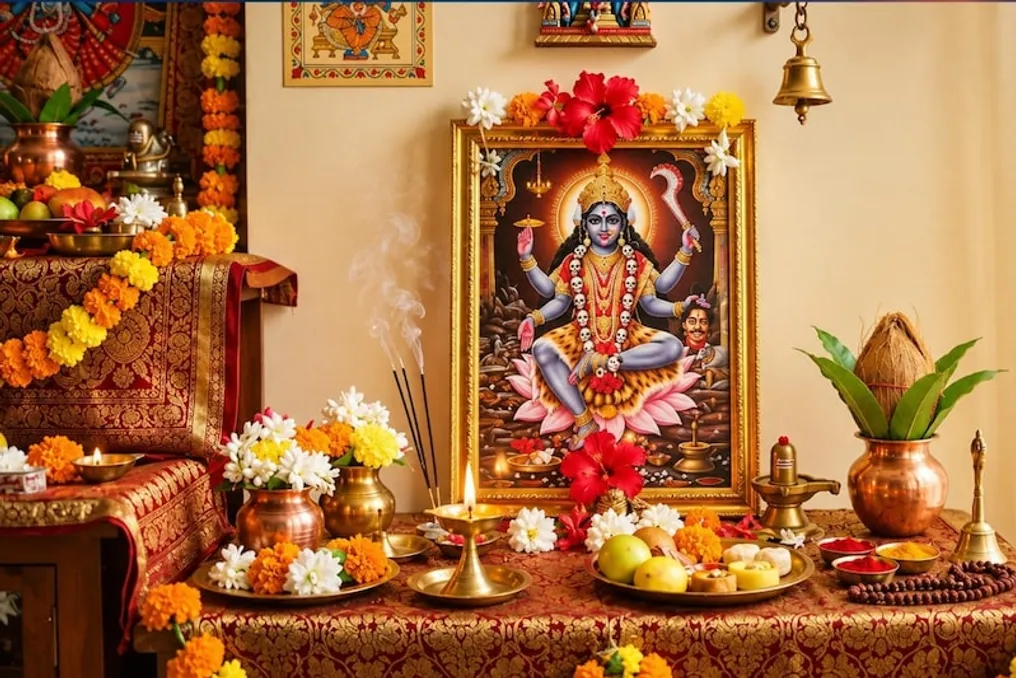
In Hinduism, the goddess Ma Kali is revered as an embodiment of strength, courage, and the destroyer of evil forces. Her image is considered both powerful and mysterious, which leads many people to question the advisability of placing her picture in the home and whether her fierce appearance might increase negativity.

According to the principles of Vastu Shastra and religious beliefs, placing an image of Ma Kali in the home is not considered inauspicious. However, when installing the painting, it is crucial to consider the direction and location. There is a belief that regular worship of Ma Kali with sincere faith strengthens a person's self-confidence, bravery, and ability to cope with difficulties. The necessary rules for installing an image of Ma Kali are presented below.

From the perspective of religious beliefs, keeping an image of Ma Kali at home is not a mistake. Goddess Ma Kali is viewed as a symbol of protection, strength, and the victory of good over evil. Beliefs state that worshipping her eliminates fears and gives the courage to face life's adversities.

Nevertheless, it is considered that special Tantric practices and worship of her fierce form differ from ordinary prayer. Guidance from a guru is required for such practices.

According to some Vastu concepts, the southern direction of the house is considered auspicious for placing an image of Ma Kali. In religious traditions, the south direction is also associated with power and Ma Kali herself. Therefore, it is recommended to place the painting facing south in a place designated for worship.

The painting should be in a clean and sacred place where rituals can be regularly performed. It should be remembered that opinions on directions may vary across different traditions, so one should also consider their own family methods of worship.

There is no single list of forbidden directions for an image of Ma Kali across all Vastu traditions. Nevertheless, some Vastu and religious beliefs advise against placing the painting in places that lack an atmosphere conducive to worship.

Such places include the northeast direction, where some Vastu teachings recommend refraining from displaying Ma Kali in her fierce form. It is also undesirable to place such an image in the bedroom. Furthermore, the painting should not be located in front of or near the bathroom, nor under the stairs, as these areas are unsuitable for displaying divine images. It is also necessary to ensure that there is no clutter, shoes, or unnecessary items around the painting.

For a home shrine, it is best to choose an image of Ma Kali that evokes a sense of reverence and devotion. If your family tradition involves worshipping a calm form of the goddess, you can choose that one. While images of her fierce aspect are more common among followers engaged in specialized practices, ordinary household members can choose a painting according to their family tradition and belief.

When placing an image of Ma Kali, five important points should be considered: always keep the painting in a clean and sacred place; do not allow clutter or useless items to accumulate around it; regularly clean the place of worship; place the painting where prayers can be peacefully offered; and when performing special Tantric practices, seek advice from a guru or knowledgeable person.

In religious views, Ma Kali is revered as a goddess of strength, courage, and protection. The most important elements in worshipping her are devotion, purity of heart, and regular worship. There is no need to fear placing her image at home; Ma Kali can be remembered according to one's family tradition and method of worship.
Similar stories

Vastu Rules: Three Directions Where Money Plants Should Not Be Placed According to Beliefs About Financial Well-being
Read more
www.aajtak.in

Vastu Rules: Three Directions Where Money Plants Should Not Be Placed According to Beliefs About Financial Well-being

The Money Plant is currently often found in residential homes. Some people use it to decorate the interior, while others associate it with prosperity and happiness. According to Vastu Shastra, the Money Plant is considered a symbol of wealth and economic growth. However, there is a belief that improper placement or selection of a spot for this plant can reduce its favorable effect.

Many homeowners place Money Plants but neglect to pay attention to its direction, the growth of its shoots, and its care. According to Vastu beliefs, it is undesirable to place the Money Plant in the northeast direction (Ishan Kon), allow its shoots to spread on the ground, or leave dry leaves on the plant for too long. Below are important Vastu rules related to the Money Plant and mistakes to avoid.

According to Vastu Shastra, one should avoid placing the Money Plant in the northeast direction, known as Ishan Kon. It is believed that such placement can negatively affect the well-being of the home. In Vastu, this direction is associated with Jupiter, whereas the Money Plant is linked to Venus.

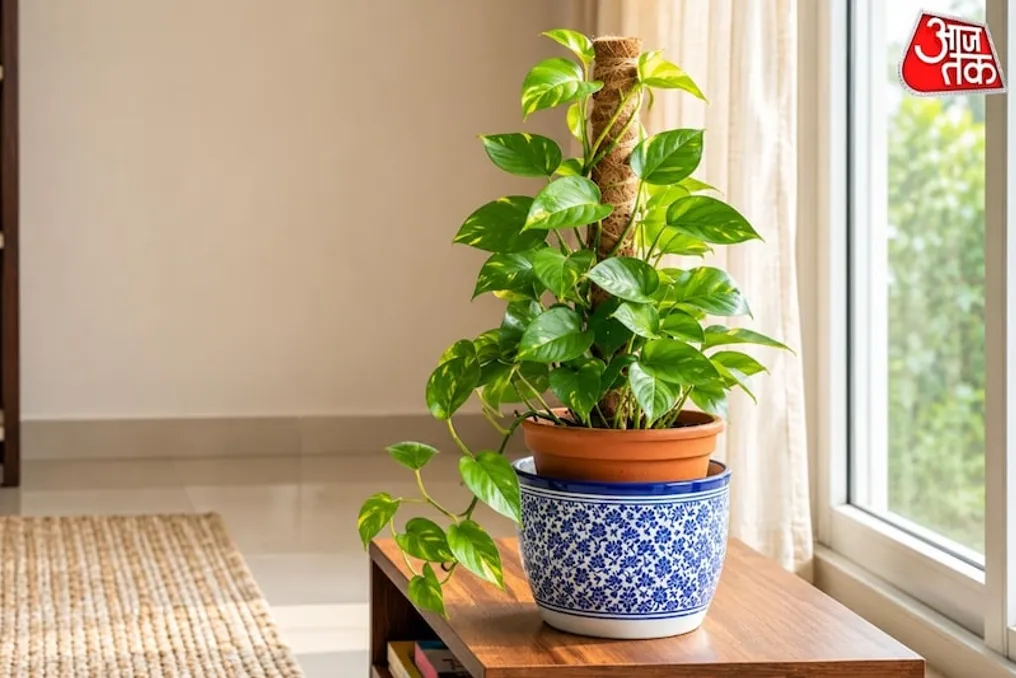
It is also not recommended to allow the Money Plant's shoots to hang on the ground. Since this is a fast-growing climbing plant, its branches should be directed upwards, not left on the floor. It is believed that upward-growing shoots symbolize progress and development. This can be achieved by using a wall, stand, or other support.

Another mistake is placing the plant under direct and intense sunlight throughout the day. This can lead to yellowing or scorching of the leaves. It is best to place the plant where there is enough light but without direct sun exposure to ensure good growth.

Furthermore, you should not place the Money Plant right next to the bed. If you want to place it in the bedroom, choose a spot where the plant will have enough light and air. It is advised to avoid placing the pot directly at the headboard or in close proximity to the sleeping area.

It is important to pay attention to the plant's care, not ignoring dry or damaged leaves. If leaves turn yellow or dry, they must be removed. If the pot cracks or water accumulates in it, it should be replaced. In Vastu beliefs, a dry plant is not considered auspicious, and from the plant's health perspective, moldy leaves and stagnant water must be monitored.

According to Vastu Shastra, the southeast direction, or Agni Kon, is considered the most favorable for planting the Money Plant. This direction is associated with Venus. According to beliefs, placing the plant here brings wealth and happiness into the home. It can be placed in the living room or any place with sufficient lighting.

Vastu beliefs consider the southeast direction most suitable for the Money Plant. It can be placed in a living room or another place with good lighting. However, it is not recommended to place it in the northeast corner. The plant should be positioned so that its shoots can easily grow upwards.

In Vastu Shastra, green or blue pots are considered good for the Money Plant. Some beliefs also favor clay pots. It is important that the pot is not damaged or dirty. For good growth of the plant in the pot, there must be a proper drainage system for water.

Many people place the Money Plant near the main entrance, associating it with positivity and happiness. Nevertheless, the plant should be positioned so that it does not obstruct passage and its shoots do not create obstacles for people. The plant must always remain healthy and lush.

According to Vastu, the Money Plant can also be kept in the bedroom. It should be placed in a corner of the room that receives enough natural light. However, it should not be placed right next to the bed or in a place where its shoots might spread and cause inconvenience. Regular care of the plant is also a necessary condition.

To keep the Money Plant green, it needs to be watered regularly. If the plant is in water, the water must be changed periodically. If it grows in soil, it should not be overwatered. Water only after the top layer of soil has dried. Stagnant water can damage the plant's roots. Leaves should also be cleaned of dust regularly.

It is necessary to avoid placing the Money Plant in the northeast direction. Its shoots must not be allowed to spread on the ground. Dry and yellow leaves should not be left on the plant for a long time. The plant should not be planted in a broken or dirty pot. It is also not advisable to keep the plant in a dark and damp place. The plant's shoots should not grow in a way that obstructs doors or passages.

Vastu Rules for the Kitchen: Where to Place the Stove, Refrigerator, and Other Items
Read more
www.aajtak.in

Vastu Rules for the Kitchen: Where to Place the Stove, Refrigerator, and Other Items

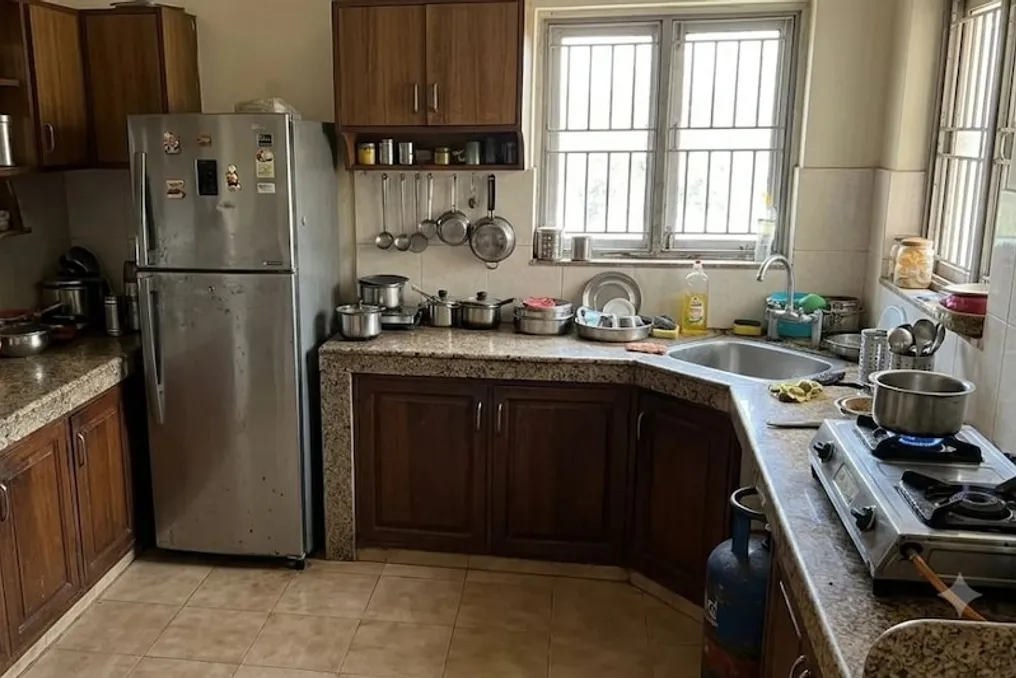
The kitchen in a home is viewed not only as a place for cooking but also, within Vastu Shastra, as a factor influencing the well-being and prosperity of the family. According to Vastu beliefs, it is crucial to maintain a balance between the elements of fire and water in the kitchen. This is why there are numerous rules regarding the placement of gas stoves, sinks, refrigerators, and water storage areas. It is believed that incorrectly placed items can disrupt harmony in the home. If you are planning to furnish a new kitchen or make changes to an existing one, you should familiarize yourself with these important Vastu rules.

Ideal Kitchen Location

According to Vastu Shastra, the best place to build a kitchen is in the southeast sector, known as Agniya Kona. This area is considered the domain of the fire deity, and having the kitchen here helps maintain the balance of the fire element. If the southeast is unavailable, the northwest sector is an acceptable alternative. However, it is recommended to avoid placing the kitchen in the northeast (Ishan Kona), which is favorable for worship and the water element, or in the southwest (Nairitya Kona), associated with stability.

Gas Stove Placement

The location of the gas stove is considered the most significant in the kitchen. Vastu prescribes placing the gas stove in the southeastern part of the kitchen. While cooking, it is considered auspicious for the person to face east, as the east is associated with the sunrise direction. If installation in the southeast is not possible, it can be placed next to the south or east wall so that the person faces east while cooking. Furthermore, it is not recommended to place the stove in the northeast corner.

Separating Stove and Sink

In Vastu Shastra, fire and water are considered opposing elements, so it is strictly forbidden to place the gas stove and the plumbing sink near each other. The north or northeast direction is best suited for the sink. If the kitchen is small and it is impossible to separate the stove and sink, sufficient workspace must be provided between them. Some Vastu beliefs suggest using wood or another material to divide these two zones.

Refrigerator Placement Rules

According to Vastu, the refrigerator, which falls into the category of heavy items, is best placed in the southwest, west, or northwest directions. It should be avoided to install the refrigerator in the northeast sector, as this direction should remain light and open. It is also important to maintain a reasonable distance between the refrigerator and the gas stove.

Water and Filter Locations

For placing water filters, RO systems, and containers of drinking water in the kitchen, the northeast or north directions are favorable, as these sectors are associated with the water element in Vastu. It is believed that placing items related to water in Ishan Kona helps preserve positive energy in the home. Nevertheless, when installing water equipment, attention must be paid to the safety of electrical connections and pipelines.

Storage of Food and Grains

For storing products such as flour, rice, beans, oil, and other supplies in the kitchen, the south and west directions are suitable. Heavy grain containers can also be placed in the southwest part, as this promotes home stability. At the same time, one should refrain from placing too many heavy items in the northeast sector; this area is better kept clean and free.

Electronics Placement

Electronic appliances, such as microwave ovens, ovens, toasters, and blenders, are best placed in the southeast direction. These devices are associated with heat and electricity, so in Vastu, they relate to the fire element. It is important to remember that microwave ovens and ovens should not be placed directly next to the gas stove; there must be enough space and good ventilation around them.

Kitchen Entrance Door Direction

In Vastu Shastra, the east, north, and west directions are favorable for entering the kitchen. The door should be positioned so as not to obstruct movement, and constant traffic should not occur in front of the stove while cooking. It is also not recommended to place the kitchen door directly opposite the main entrance to the house. The kitchen door should be clean and open.

Suitable Colors for the Kitchen

According to Vastu, light and warm shades are appropriate for the kitchen. Yellow, orange, light red, cream, and light green colors are considered particularly favorable. Yellow symbolizes prosperity and positivity, orange symbolizes enthusiasm and energy, light red symbolizes the fire element, while cream and white lend a sense of cleanliness and calm. Light green is associated with freshness and balance. Excessive use of black and dark colors should be avoided.

Trash Can Placement

According to Vastu beliefs, the trash can should be placed in the southeast direction.

According to Vastu, there are five places in the house where food should not be eaten, as this can lead to poverty
Read more
www.aajtak.in

According to Vastu, there are five places in the house where food should not be eaten, as this can lead to poverty

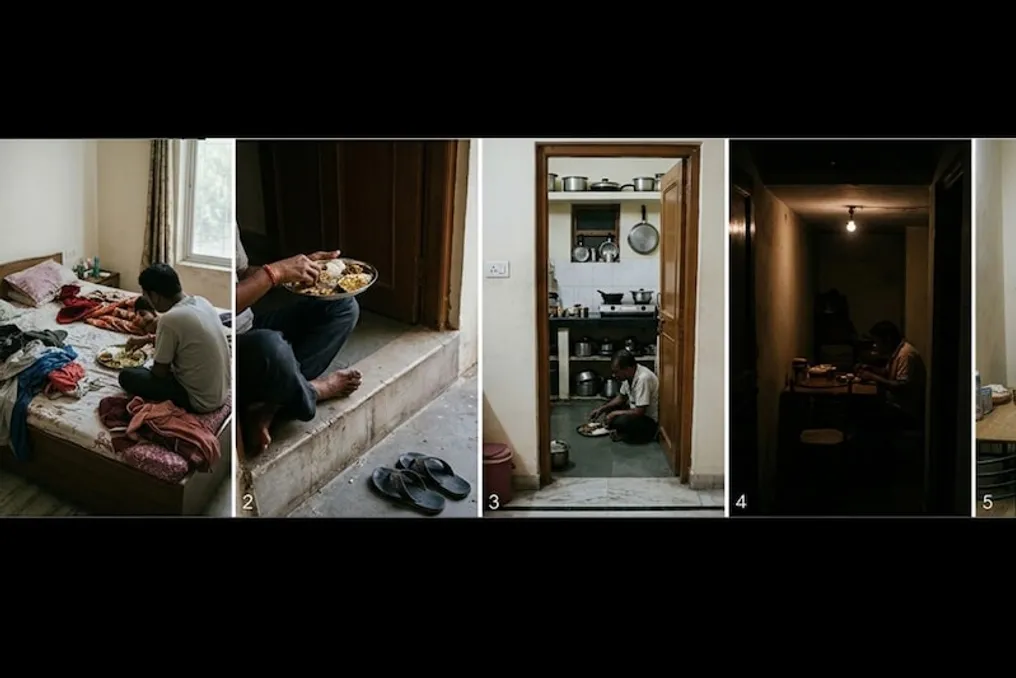
When choosing a place to eat, people often rely on personal convenience: some eat while watching TV, sitting in bed, while others rush and start their meal near the kitchen threshold or door. However, Vastu Shastra has specific rules regarding where one should eat.

According to Vastu principles, eating is viewed not just as a way to satisfy hunger, but also as a connection with food and the goddess Annapurna. This is why it is recommended to pay close attention to cleanliness, direction, and the surrounding environment while eating. There is a belief that an improper place for a meal can negatively affect the positive energy of the home. Below are five places where one should refrain from eating.

1. Do not eat in bed

The modern pace of life has led many to get used to eating while in bed, especially when watching television or using a mobile phone. Nevertheless, Vastu does not approve of this habit. Since the bed is associated with rest and sleep, eating there can negatively impact the positive atmosphere in the home. Some religious beliefs link this to financial difficulties and mental distress. Furthermore, there is a risk of crumbs falling onto the bed during meals, creating mess.

2. Do not eat near the main entrance of the house

The main entrance of the house is considered extremely important in Vastu. It is believed that positive energy and prosperity enter the dwelling through this spot. Therefore, having a meal at the main entrance threshold is not considered auspicious. According to religious beliefs, such behavior can negatively affect the family's peace and financial situation. Consequently, one should choose a place for eating with minimal foot traffic where one can sit comfortably.

3. Do not eat at the kitchen threshold

The kitchen in the home is revered as the place of the goddess Annapurna, as this is where food is prepared, so cleanliness and order in this area are very important. Vastu advises against eating in the doorway or threshold of the kitchen. According to beliefs, eating at the threshold can disrupt the home's energy balance. Moreover, sitting near the kitchen doorway can create obstacles to movement. It is best to designate a specific place for eating, either inside the kitchen or in the dining room.

4. Do not eat in dark or dimly lit places

Vastu also requires adequate lighting during meals. Eating in the dark or in poor light is undesirable. It is believed that such an environment can intensify feelings of anxiety and negativity in the soul. From a practical standpoint, sufficient lighting facilitates control over the quality and hygiene of the food. Therefore, try to eat where it is bright and where the surroundings remain clean.

5. Do not eat near the bathroom

According to Vastu, eating near a bathroom is also considered inauspicious. The bathroom is associated with personal hygiene and cleanliness, so the eating area should be separate from it. In religious views, this is seen as a contradiction to food purity. Additionally, from a health and sanitation perspective, it is better to avoid eating near the bathroom.

Vastu pays attention not only to the location but also to the direction one faces while eating. According to beliefs, it is most favorable to sit during a meal facing east or north.

  • East: Facing this direction is considered good for health and a positive mood.
  • North: In Vastu, the north is associated with well-being and positive energy.
  • South: Some Vastu principles recommend avoiding the direction where one faces south.

Additional eating recommendations

Besides Vastu rules, there are other useful habits related to nutrition. Hands must be washed before eating, and the eating area must be kept clean. One should avoid using cracked or broken dishes. Food should be placed on a plate or dish, and one should eat while sitting comfortably. During meals, mobile phones and televisions should be kept away to fully concentrate on the food.

Popular