
Why does a phone battery drain quickly in cold weather: causes and saving tips
Read more
Aaj Tak
www.aajtak.in

Why does a phone battery drain quickly in cold weather: causes and saving tips

If your smartphone's battery starts draining too quickly during the winter, there is no need to worry. Sometimes the phone suddenly shuts down with 30-40% charge remaining, which might give the impression that the battery is faulty. However, this is not always the case; severe cold does affect the performance of a smartphone battery.

Most modern smartphones are equipped with lithium-ion batteries. At lower temperatures, the chemical processes inside this battery slow down, which negatively impacts the battery's performance. This is why accelerated battery depletion is observed in winter. There are specific precautions that can help reduce this problem.

During winter, you should avoid prolonged exposure of your phone outdoors. If you are outside, it is recommended to keep your phone in an inner pocket of your coat or jacket. This will provide the device with body heat, minimizing the impact of the cold on the battery.

If you are about to leave the house and the battery charge is low, you can activate power-saving mode. This mode reduces the number of background activities running on the phone, thereby lowering overall energy consumption.

The phone screen is a significant power consumer. Therefore, when it is not required, you should reduce the display brightness. Additionally, it is useful to shorten the automatic screen-off time, which also helps conserve battery life.

If you are heading to a new location, pre-download the offline map of that region in Google Maps. This will prevent constant internet usage for navigation.

If the phone has gotten very cold, you should not immediately connect it to a charger. First, allow it to warm up to a normal temperature. It is also important not to expose the phone to heaters or other heat sources for warming.

If you need to be away from home for a long time, be sure to take a power bank with you. It will allow you to charge your phone if needed.

By following these simple rules, you can achieve more efficient use of battery charge in winter. Nevertheless, if the battery drains quickly even at normal temperatures, it is recommended to have the battery's condition checked.
Similar stories

Realme is preparing the Realme 17 Pro smartphone with a 10,000 mAh battery; first photo leaks appear
Read more
www.aajtak.in

Realme is preparing the Realme 17 Pro smartphone with a 10,000 mAh battery; first photo leaks appear

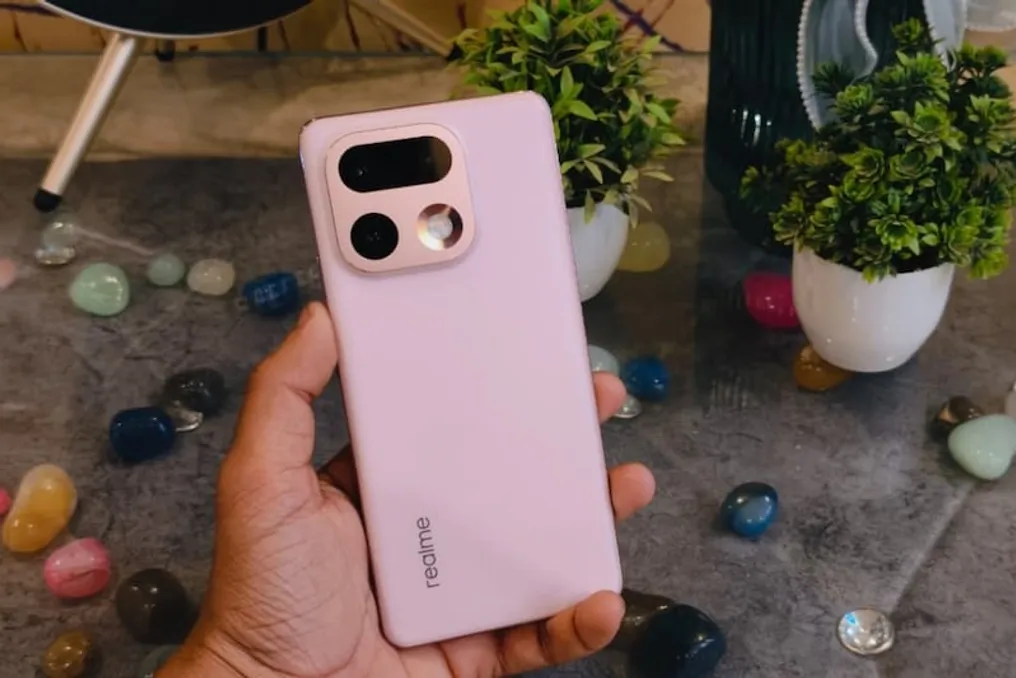
Realme is preparing to present a big surprise for users concerned about fast battery drain. The first images of the next model in the mid-range lineup—the Realme 17 Pro—have appeared online. According to reports, the main focus of this model is on a 10,000 mAh battery.

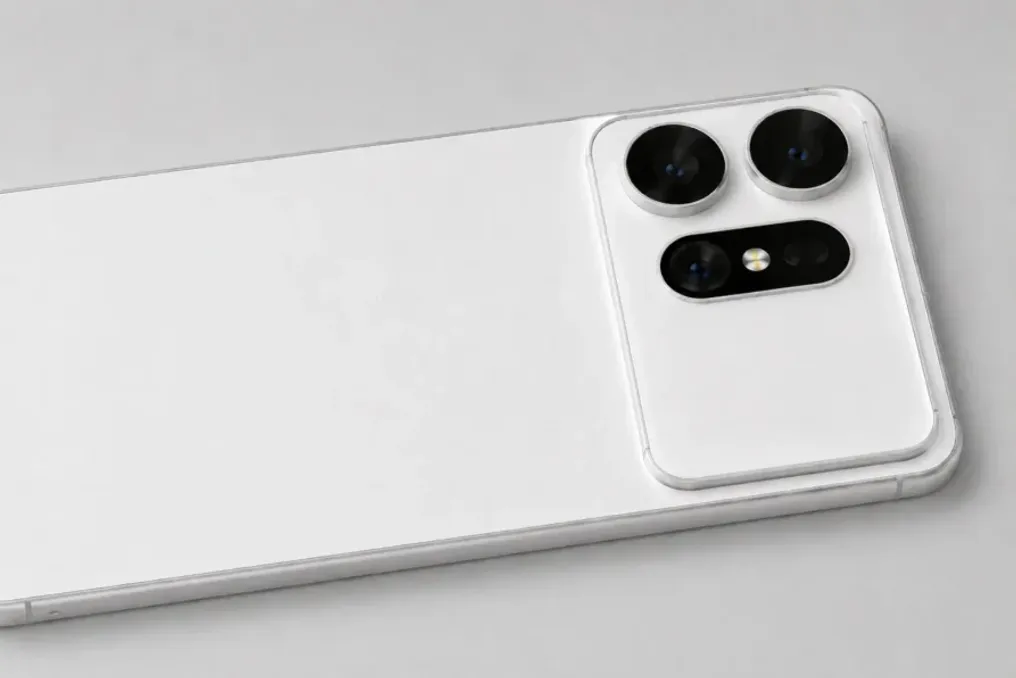
According to the leaks, the photos show a matte black design for the device. The camera module has also undergone changes compared to previous models. In addition to the design and camera, there is discussion about the presence of an AMOLED display with a 144Hz refresh rate, a MediaTek Dimensity processor, and 65W fast charging.

The supposed live photos of the Realme 17 Pro were published by tipster Abhishek Yadav on the social network X. These pictures show the back view of the phone with a matte finish, whose color resembles dark gray or matte black. The side edges of the device are made in a flat style, which gives it a modern and clean look.

Modifications are also expected in the camera area on the back panel. There is a square camera block provided, but the position and appearance of the lenses have changed. The module includes two long cutouts and an LED flash beneath them. The design of this block is reminiscent of the latest OnePlus smartphones.

On the front panel, a central cutout (punch hole) is installed for the selfie camera, and thin bezels are visible around the screen. It is important to note that these images are preliminary leaks, and the final design may differ by the time of release.

The main feature of the Realme 17 Pro may be the stated 10,000 mAh battery. Currently, most smartphones are equipped with batteries ranging from 5,000 mAh to 7,000 mAh, so such capacity could be very attractive to those who frequently need to recharge.

For comparison, the Realme 16 Pro model had a 7,000 mAh battery, which means a potential increase in the new device's capacity of approximately 43 percent. Nevertheless, the battery life will depend on many factors, including screen brightness, internet usage, gaming, and background applications. Despite this, 10,000 mAh could be a significant improvement for active users.

According to the leaks, the Realme 17 Pro may support 65W fast charging. It should be noted, however, that the previous model, the Realme 16 Pro, offered 80W charging. This may indicate a possible reduction in charging speed despite the increase in battery capacity. The exact time required to fully charge 10,000 mAh using 65W is not yet known.

In addition to the battery, the Realme 17 Pro is expected to be equipped with a 144Hz refresh rate AMOLED display. A higher refresh rate ensures smoother image display when using the phone, whether browsing social media or gaming. There are also rumors that the phone will be equipped with the MediaTek Dimensity 7300 processor, built on 4nm technology. However, one cannot expect a radical increase in performance based solely on the processor's name.

Regarding the camera of the Realme 17 Pro, it may feature a 32MP front module. If so, the resolution will be lower than that of the previous model's 50MP front camera. This may suggest that the company focused its efforts on the battery, but users will have to compromise on selfie quality. The status of the main camera remains uncertain: the Realme 16 Pro used a 200MP sensor, but there is no confirmation whether the new phone will retain this feature.

Realme has not announced an official release date or price for the Realme 17 Pro. Therefore, there is no precise information about its price in India yet. For comparison, the Realme 16 Pro was released in India in January 2026 with a starting price of 31,999 rupees. Considering the new features, such as the increased battery and other improvements, the price of the new device may change, but at the moment, any assumptions about the cost are speculative.

Galaxy S27 Ultra may receive secure shipping mode for battery preparation
Read more
tecnoblog.net

Galaxy S27 Ultra may receive secure shipping mode for battery preparation

Samsung is reportedly developing a feature intended to prepare smartphone batteries before they are sent for technical assistance. According to Android Authority, the feature named Safe Shipping, or 'secure shipping' in free translation, was detected in the One UI 9.5 code and has the potential to be launched on the Galaxy S27 Ultra.

The company released the beta version of the system on November 18th for the S26 line in specific markets. Brazil was not part of this initial list, and the company's official announcement did not mention this specific function.

The connection to the Galaxy S27 Ultra is linked to the probable increase in battery capacity, which leaks indicate is 5,534 mAh. When this mode is activated, it will limit charging to 80% and prevent any alteration to this charge cap.

If the feature is deactivated, the previous battery protection settings will be restored. Although indications were found in a Galaxy S26 Ultra, the function could not be activated during the analysis, suggesting that the battery itself must be compatible with this feature.

This battery preparation would have a different purpose from the Maintenance Mode already offered by the brand. Samsung's Brazilian guidelines for sending via Correios recommend activating this mode to restrict access to personal data while technicians perform tests on the device. Furthermore, the manufacturer already instructs users to back up, remove the SIM card and memory card, and turn off the phone before packaging it.

The closest equivalent to this functionality is the Prepare for Shipping feature, present in the iPhone 18 Pro Max. According to Apple, this model's battery exceeds 20 watt-hours (Wh), which imposes additional shipping requirements in various countries for devices with single-cell batteries (where watt-hours measure stored energy, and milliampere-hours indicate charge capacity).

In the case of the iPhone, during shipments for repair, replacement, or return, charging is kept limited to 80% for a period of 14 days. Apple clarifies that such a feature is not necessary for personal travel or other iPhone models.

The Galaxy S27 Ultra has already been mentioned in other reports regarding design modifications and Privacy Screen improvements. However, Samsung has not yet disclosed the full specifications of the device or the release date of this new mode.

Technical explanation of why cell phones charge more slowly as they get full
Read more
super.abril.com.br

Technical explanation of why cell phones charge more slowly as they get full

Many people notice that their mobile phones charge progressively slower when the battery reaches high levels. Initially, charging can be fast, jumping from 15% to 30% in a few minutes, but after reaching about 80%, the speed decreases drastically.

This behavior is not random; it is intentional and primarily aims to ensure the safety of the lithium-ion battery. The inflection point occurs around 80%. When the charge is low, the battery tolerates a higher electric current better. However, as the charge increases, the system gradually reduces the current intensity to prevent risks such as overcharging, excessive heating, and lithium deposition.

In the standard charging process, lithium ions move from the cathode, which is the electrode that loses electrons, pass through the electrolyte, and insert themselves into the anode, the electron-receiving electrode (usually graphite in commercial cells).

Risks of excessively intense charging

If the charging is too vigorous, especially when the charge level is already high, the lithium ions may not be able to lodge in the anode at the necessary speed. In these cases, metallic lithium can accumulate on the surface of the anode. This phenomenon is called lithium deposition (or 'lithium plating'), which reduces the amount of available lithium and accelerates battery capacity degradation. In extreme situations, this can lead to internal short circuits.

Furthermore, under high voltage, several battery components begin to suffer faster wear. The cathode material may experience greater stress, the electrolyte may lose stability, and the anode becomes more susceptible to lithium deposition. All these factors contribute to reducing the battery's lifespan.

Heat also represents a significant factor in this problem. The act of charging generates heat, which puts stress on the system. If the user is using the phone to play games while charging, there are two sources of heat acting simultaneously. For this reason, it is natural for the device to reduce the current to prevent overheating. Other variables considered include the current condition of the battery, the quality of the cable used, and the temperature of the battery itself.

Charging protocols

Chargers and phones rely on communication protocols to coordinate the recharging process. If both devices operate with different protocols, charging will not be efficient, even with a low battery, as both will operate at the minimum safety level considered by each.

Currently, many Android phones from major manufacturers adopt the standardized USB Power Delivery (USB PD) protocol. This allows charging to occur at a reasonable speed even when using a charger different from the original one. However, some models maintain proprietary technologies, as the ability to achieve higher charging speeds serves as a marketing differential. To take advantage of these speeds, it is mandatory to use the charger specified by the brand. An example is Xiaomi's HyperCharge, which promises to charge the device in 10 minutes with 120W, provided a compatible phone is used; otherwise, the system will revert to USB PD standards.

Popular