Embedded technologies redefine the design and functionality of modern bathrooms
Read more
ArchDaily Brasil
archdaily.com.br

Embedded technologies redefine the design and functionality of modern bathrooms

In 1966, architect and researcher Alexander Kira published the study 'The Bathroom: Criteria for Design,' which challenged traditional bathroom planning methodologies. Based on studies of human anatomy, physiology, ergonomics, and hygiene practices, Kira questioned whether standardized sanitary facilities met the real needs of users. His work suggested that these spaces should be conceived considering the interaction between the human body and the surrounding environment, rather than relying solely on predetermined measurements and arrangements.

Even almost six decades later, the questions posed by Kira remain relevant. Despite technological advancements expanding design options for bathrooms, the central challenge remains: how can architecture accommodate daily routines while elevating comfort, efficiency, and adaptability?

Currently, part of the solution lies in incorporating technical systems that support both the visible and hidden elements of these rooms.

The technological evolution of bathrooms has altered the dynamic between sanitary accessories, building infrastructure, and architectural surfaces. Previously, common floor-mounted toilets and exposed piping systems dictated bathroom layouts, with the arrangement determined mainly by the location of pipes and sewage connections.

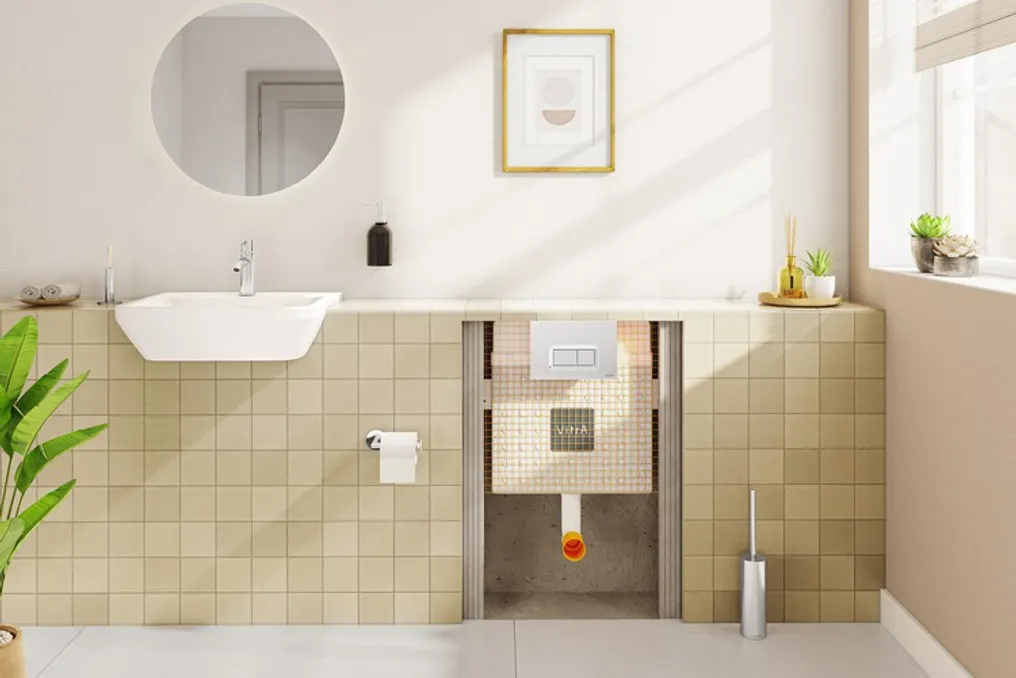
In contrast, contemporary embedded systems offer alternative methods for organizing space by inserting structural supports, flush tanks, and hydraulic connections directly into the walls. This change implies benefits that go beyond mere appearance; by dissociating visible items from their supporting structure, architects can create more versatile plans, facilitate floor cleaning, and promote greater visual fluidity between surfaces.

Suspended toilets, for example, result in a continuous floor plane, allowing the installation height to be defined during the construction phase. However, such solutions require high structural reliability, accessibility, and compatibility of components that remain practically invisible after assembly is complete.

VitrA Bathrooms introduced its V-Fix Frames line, a series of embedded installation systems designed to adapt to various bathroom configurations. Available in Core and Prime versions, these structures combine support chassis and built-in flush tanks for suspended and wall-mounted (back-to-wall) toilets, catering to both spatial planning and installation requirements. Their applications include masonry walls, drywall partitions, and double studs, while reduced height options exist to meet architectural limitations, such as sloped ceilings or low windows.

These systems demonstrate a more integrated view of bathroom construction, treating sanitary fixtures not as isolated objects, but by coordinating structural, hydraulic, and internal finishing elements in the design process.

With the increasing integration of technology into bathroom design, embedded systems must be evaluated based on criteria such as structural durability, water consumption, ease of maintenance, and material performance over time. These aspects are crucial when components are installed behind walls intended to remain intact for decades.

According to technical data provided by VitrA, the V-Fix Frames structures were subjected to a 500 kg load test, exceeding the reference standard of 400 kg. Complementary tests verify resistance to temperature variations, freezing conditions, and potential leaks in flush tanks, valves, and flexible connections. These analyses underscore the need to anticipate environmental and operational scenarios that may impact embedded installations throughout their lifespan.

Regarding installation, the V-Fix Frames line offers various water supply options, adjustable flushing mechanisms, an adjustable clamp for fixing the sewage pipe, and markings on the flush plate to assist in cutting drywall. The V-Fix Prime models feature extra functionalities to simplify assembly, such as adjustable wall supports and spring feet for load support, in addition to integrated provisions for electrical connections.

Water consumption constitutes another important facet of modern bathroom technology. Adjustable dual-flush mechanisms, with 2.5/4 liter and 3/6 liter settings, allow selecting the flush volume according to system specifications and operational needs. Although water saving ultimately depends on usage habits and installation conditions, these devices show how resource management can be incorporated into daily sanitary infrastructure.

Such considerations extend to the relationship between technical performance and building codes. VitrA demonstrates regulatory adherence and certifications related to quality management, environmental management, and sanitary installations, including ISO 9001, ISO 14001, and current water regulations in the United Kingdom. For architects and specifiers, checking the applicability of these standards to specific products and projects remains part of responsible technical decision-making.

The technological evolution of bathrooms reflects a shift in architectural priorities. Innovation is no longer manifested solely through visible pieces, sophisticated finishes, or increasingly automated equipment, but also in the development of robust systems that increase spatial flexibility, simplify installation, facilitate maintenance, and optimize resource use. Just as Kira questioned the link between standardized fixtures and the human body, current innovations extend this discussion to the infrastructure that supports daily activities. The challenge, therefore, lies in integrating technology judiciously into spaces that can balance functionality, comfort, adaptability, and lasting performance.
Similar stories

Frequent urination shortly after visiting the toilet may be a sign of bladder problems
Read more
www.aajtak.in

Frequent urination shortly after visiting the toilet may be a sign of bladder problems

Some people find themselves needing to go to the toilet again just minutes after urinating. While excessive water intake can be the cause of this phenomenon, if the problem persists despite moderate fluid consumption, it is advisable to consult a doctor.

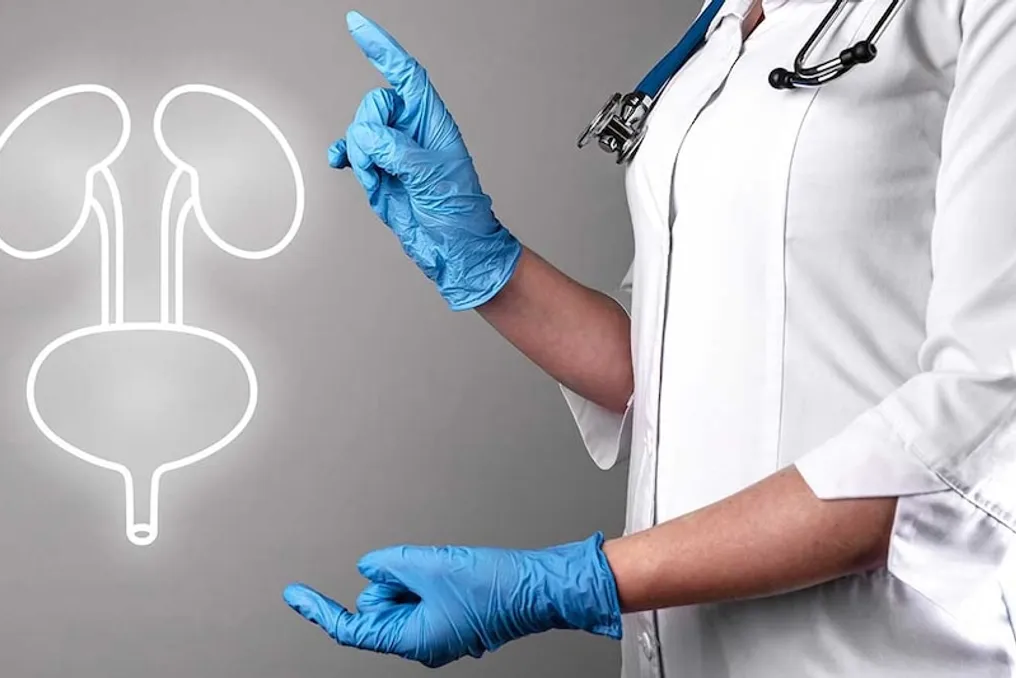
According to medical professionals, such symptoms can be caused by various reasons, including an overactive bladder, a urinary tract infection, or a blockage in the urinary tract. An overactive bladder occurs when the bladder muscles begin to contract prematurely, creating urine pressure. Typically, the brain receives the signal to visit the toilet only after a sufficient amount of urine has accumulated in the bladder; however, with this condition, a strong urge can arise even with a small amount of urine, causing the need to urinate again within minutes of the first emptying.

Dr. L.H. Goteker, a senior professor at Lady Harding Medical College in Delhi, notes that issues with an overactive bladder are more common with age, particularly in people over 50, although it can occur in younger individuals as well. Furthermore, frequent urination can be related to a urinary tract infection, which is accompanied by burning, pain, or discomfort in the lower abdomen. The problem of frequent urges can also arise with diabetes.

A doctor's consultation is necessary if the frequency of urination increases, if sleep is disturbed due to nighttime urges, or if a feeling of incomplete bladder emptying persists after using the toilet. A doctor can perform a urine analysis and check the residual urine volume in the bladder after urination based on the identified symptoms.

It is important not to take medication independently. Dr. Goteker warns that some people take pharmacy drugs without consulting a specialist. However, when experiencing such ailments, one should not self-administer antibiotics or bladder medications. Some patients may benefit from bladder training and pelvic floor exercises upon a doctor's recommendation.

Bathroom Floor Cleaning Tips: Why It Stays Sticky Even After Daily Cleaning
Read more
www.aajtak.in

Bathroom Floor Cleaning Tips: Why It Stays Sticky Even After Daily Cleaning

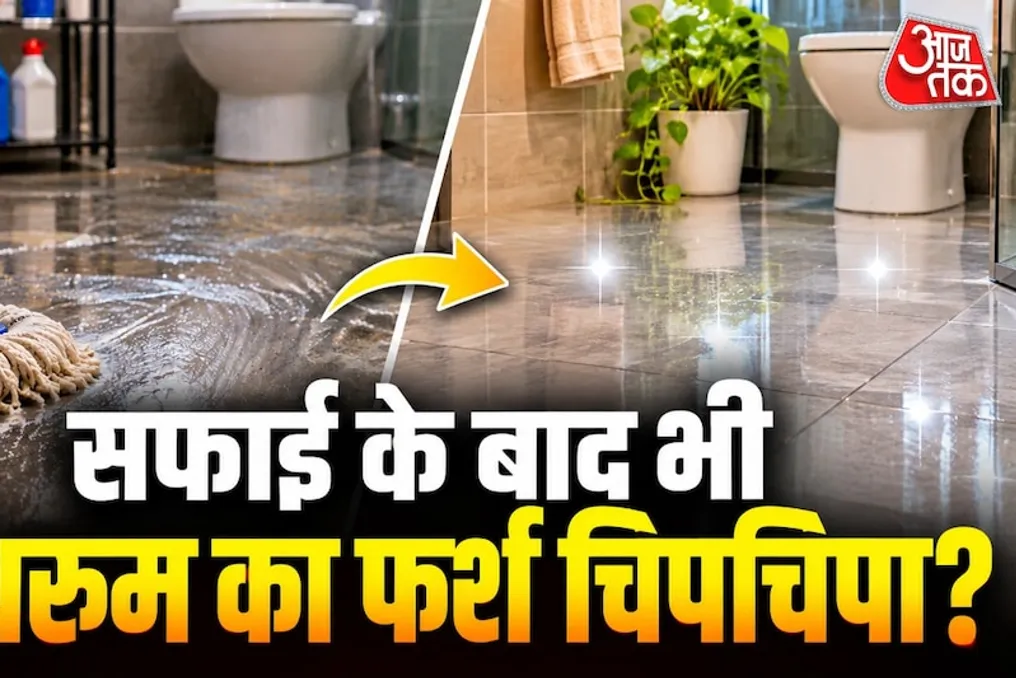
Even with regular household cleaning, whether it's mopping floors or cleaning kitchen tiles, some areas can remain dirty and sticky. The bathroom is one such place. People clean and sweep the bathroom daily using mops and cleaning agents, but the floor still doesn't shine.

If you feel stickiness when walking on the bathroom floor, the cause might not just be dirt. Often, a small mistake during cleaning becomes the source of this problem. The issue is that excessive use of soap, cleaning agents, or polishes can create a film on the floor that causes stickiness even after drying. However, this problem can be solved by paying attention to several simple points.

Firstly, many people believe that more cleaning agent will provide better cleanliness, but this is not true. An excess of cleaner can leave a layer on the floor that becomes sticky after drying. Therefore, you should always mix the cleaning agent in water according to the instructions on the bottle. If the floor is already sticky, it needs to be washed again with clean warm water.

Secondly, you should avoid using large amounts of soap. Some people add a lot of soap or dishwashing liquid to the water for mopping. Instead of cleaning the floor, this can lead to the formation of a soapy film, causing the floor to stick to your feet after drying. It is recommended to use soap in limited quantities; about one tablespoon of dishwashing liquid per bucket of water should be enough. After cleaning, be sure to wipe the floor with clean water.

Thirdly, polishes and waxes can also contribute to stickiness. Frequent application of these products creates multiple layers on the floor, to which dust and dirt adhere, making the floor dirty and sticky. Therefore, you should avoid applying polishes or waxes unnecessarily. When working with wooden floors, always use products suitable for that type of finish.

Furthermore, you cannot simply mop sticky areas. If oil, soap, or any greasy substance spills on the bathroom floor, you should not immediately wipe it up with a mop. This can spread the grease across the entire floor. It is better to first clean the area with a cloth dampened with warm water and a small amount of dishwashing liquid. Then wipe with clean water and remove moisture with a dry cloth.

It is also important to use vinegar correctly. Although some use vinegar to remove grease from the floor, it is not suitable for all types of surfaces. Vinegar should especially be avoided on natural stone, such as marble and granite, because its acidic composition can damage the shine and coating of the floor. Before use, ensure that the vinegar is safe for your type of floor.

Another reason for stickiness is a dirty mop and water. If you repeatedly mop the floor in the same dirty water, dust and dirt will settle on the floor again, and it will not look clean even after cleaning. Therefore, the water must be changed as soon as it gets dirty. Mops with sponges should be thoroughly rinsed and wrung out, and if disposable wipes are used, they should be changed regularly.

To prevent the bathroom floor from being sticky, it is necessary to remember these recommendations.

Choosing bathroom floor tiles: recommendations on selection, slip resistance, and durability
Read more
www.aajtak.in

Choosing bathroom floor tiles: recommendations on selection, slip resistance, and durability

When building a house or renovating an old bathroom, great attention is paid to the design and color of the tiles. There is a huge number of options available on the market, which makes choosing difficult. Some prefer bright white surfaces, while others choose dark colors and various patterns to add style. However, purchasing tiles solely for their beauty is not a wise decision.

Since the bathroom is a room where water and humidity are constantly present, improperly chosen tiles can lead to the risk of falling on a wet floor, rapid material wear, and complicated cleaning processes. Often, people choose tiles for their design, which then becomes a headache during daily cleaning. Therefore, when choosing tiles for a bathroom, it is necessary to consider not only aesthetics but also strength, grip, and ease of maintenance.

What to look for when buying bathroom tiles

When purchasing tiles for the bathroom, five key points should be considered. Firstly, you need to study the material: porcelain stoneware is distinguished by high strength and low water absorption, whereas ceramic tile can be a more budget-friendly option but has a greater tendency to absorb water. Secondly, it is critically important to choose non-slip tiles, as the risk of slipping in the bathroom is high; textured and matte options are best for the floor. When visiting a store, you should ask the salesperson about the slip resistance rating.

Thirdly, you need to carefully consider the size of the tile. In small rooms, using large light tiles can visually expand the space. Although small tiles allow for beautiful patterns, they increase the number of joints (grout).

Fourthly, you must remember the need for regular cleaning. Tiles with overly complex designs or small patterns can accumulate dirt, so easily cleanable options with minimal joints are preferred.

The fifth point is to include the cost of installation and extra material in the budget. Before starting work, you need to measure the area of the floor and walls, and also plan to purchase 10–15% more tiles in case of cutting or breakage, without forgetting the cost of the laying itself.

Which types of tiles are best suited for the bathroom

There are many types of tiles on the market, and not all of them are suitable for the bathroom. Before making a purchase, it is useful to familiarize yourself with the advantages and disadvantages of each type.

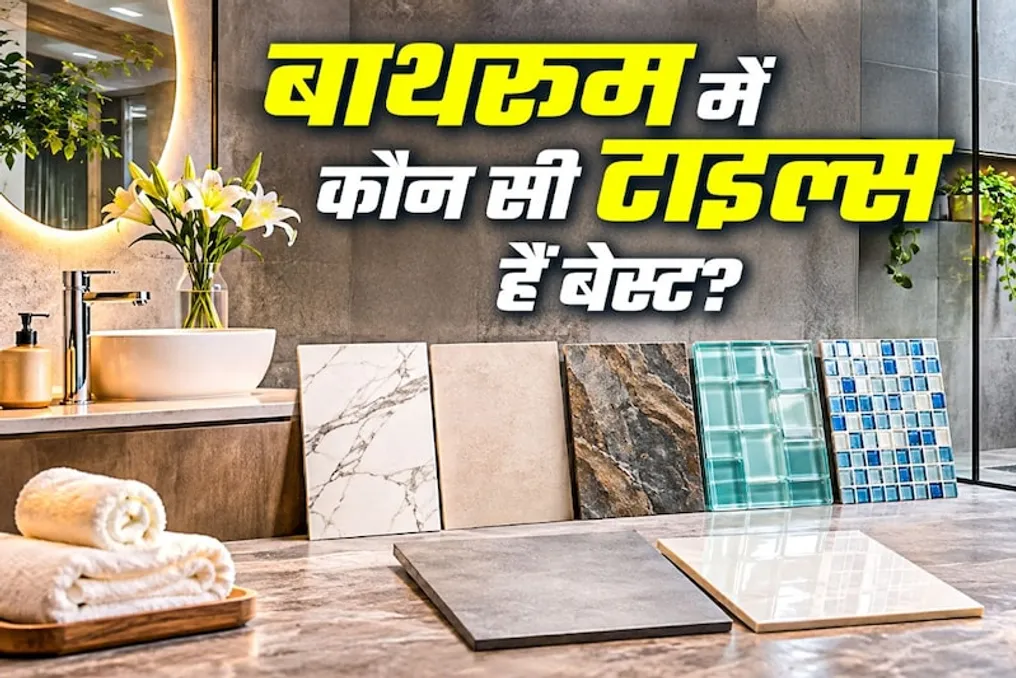
Porcelain Stoneware: If a durable and strong material is required, porcelain stoneware is a good choice. It is very resistant and has low water absorption, which is ideal for humid areas. However, its cost and installation expenses may be higher.

Ceramic Tile: Ceramic tile allows you to decorate the bathroom within a limited budget, offering many colors, designs, and patterns. It is often used for wall cladding. Nevertheless, it can absorb more water than porcelain stoneware, so when choosing for the floor, you must check the quality and slip resistance coefficient.

Natural Stone: Natural stone is suitable for giving the bathroom a luxurious and expensive look. It gives the space a natural and elegant appearance but requires more careful maintenance, including periodic application of a protective coating against stains and moisture.

Glass Tile: Glass tile allows you to add modernity and uniqueness to the interior. It is available in many beautiful shades and looks great on walls. It is better to use it for decorative accents rather than covering the entire area. Before laying it on the floor, be sure to check its grip, as some types of glass can become slippery when wet.

Mosaic Tile: Mosaic, consisting of small elements, is used to create decorative patterns and borders, for example, in the shower area. Due to the large number of grout lines in mosaic, the probability of dirt accumulation increases, which complicates the cleaning process.

What tile colors to choose for the bathroom

To make the bathroom look spacious and attractive, it is crucial to choose the right tile color.

Beige and Cream: These shades give the bathroom a feeling of cleanliness and make it look visually larger.

Light Gray: Light gray is an excellent choice for giving the interior a simple and modern look.

Dark Blue: Dark blue can make the bathroom stylish and memorable.

Earthy Green: Earthy green tile can also be an ideal solution for decorating the bathroom.

Popular