Shenzhen UDC Multifunctional Space Integrates Retail, Work, and Events in Qianhai
Read more
ArchDaily Brasil
archdaily.com.br

Shenzhen UDC Multifunctional Space Integrates Retail, Work, and Events in Qianhai

Traditionally, environments such as offices, commercial areas, and social gathering places had very clear divisions. However, with the evolution of lifestyles, it has become evident that these barriers are progressively becoming more tenuous.

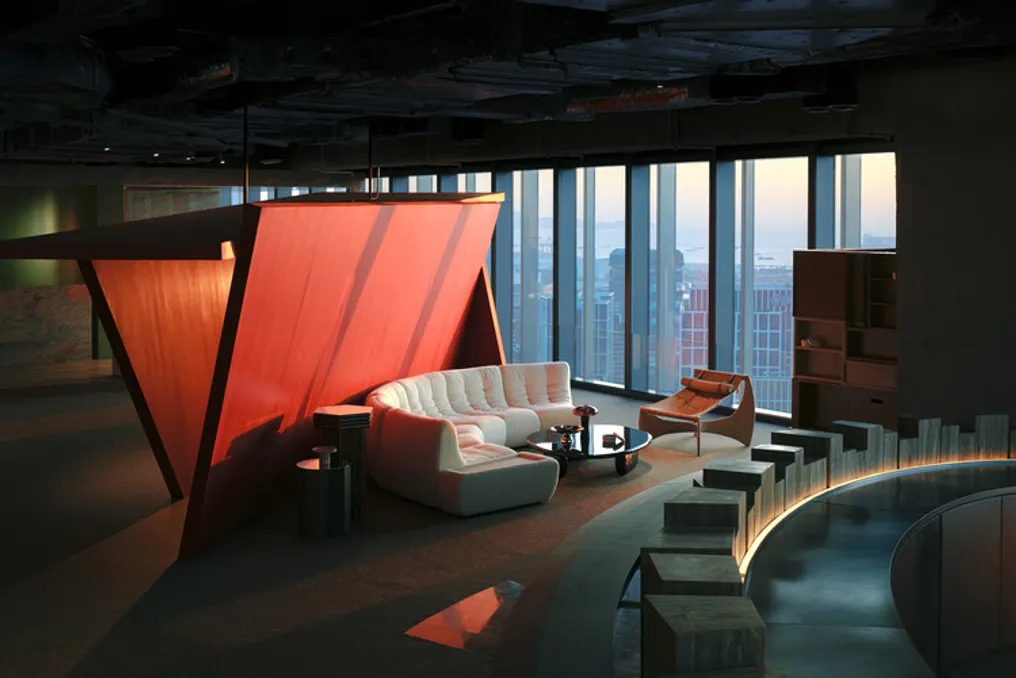
The UDC, located in a corporate skyscraper in the Qianhai region of Shenzhen, was conceived as a multifunctional space. This location brings together various activities, including fashion retail, workspaces, social events, and brand presentations.

Through this project, the aim was to investigate the possibility of transcending the rigid boundaries between different functions, allowing them to interconnect and overlap within the same environment, thus generating new spatial experiences.

Similar stories

Title Roll Building Project by Cho and Partners in Seoul, South Korea
Read more
archdaily.com.br

Title Roll Building Project by Cho and Partners in Seoul, South Korea

The Title Roll Building project, developed by the firm Cho and Partners, is located on a secondary street in the Sinsa-dong neighborhood of Seoul, South Korea. This location, which has strong commercial appeal, transitioned from a quiet residential area composed of houses and low-rise buildings with small establishments to a region dominated by commercial development.

The specific plot is situated in a transition zone between the centers of Sinsa, Apgujeong, and Rodeo, characterized by a disorganized mix of old constructions, shops, and new buildings. On a street only four meters wide, the buildings are very close together, limiting open spaces and intensifying the disordered appearance of the older structures.

Rapid growth and homogeneous development have led to a saturation of disorganized buildings in the streets of Gangnam, many of which consist of purely functional spaces built with minimal setbacks, creating an oppressive atmosphere.

Due to the narrowness of the street, the buildings adjacent to the project only show their front facades, with scarce free space. Faced with this scenario, the project's design sought to mitigate this densification through the use of sophisticated materials and minimalist design, accentuating a notable visual point that lends visual lightness.

The project's philosophy was based on the premise that, in a city focused solely on presence, the building should exist through absence. The empty spaces on each floor were intentionally kept open for undefined uses, awaiting integration into the routine of future occupants.

The overall form was inspired by the idea of stacking or overlapping. Structured with horizontal openings parallel to the street, the building provides its internal and external environments with a panoramic view of the city, taking advantage of the sloping terrain. The variation in the depth of each level's outdoor area modulates the facade's volume, and self-supporting walls following the facade enhance its presence on a restricted lot, making it appear to occupy the entire area when viewed from the front.

The open space helps alleviate the cramped and uncomfortable sidewalks, as well as the compact atmosphere of the surroundings. On a narrow street, the scale of a construction tends to be amplified; in this case, horizontal elements were highlighted to distinguish the building from adjacent volumes and establish an organized environment. The front parking area and external circulation ensure spatial connection with the city, while the use of materials different from the congested environment gives the building a refined architectural aesthetic.

Shenzhen transforms the common vision of the Asia-Pacific region into shared interests
Read more
cgtn.com

Shenzhen transforms the common vision of the Asia-Pacific region into shared interests

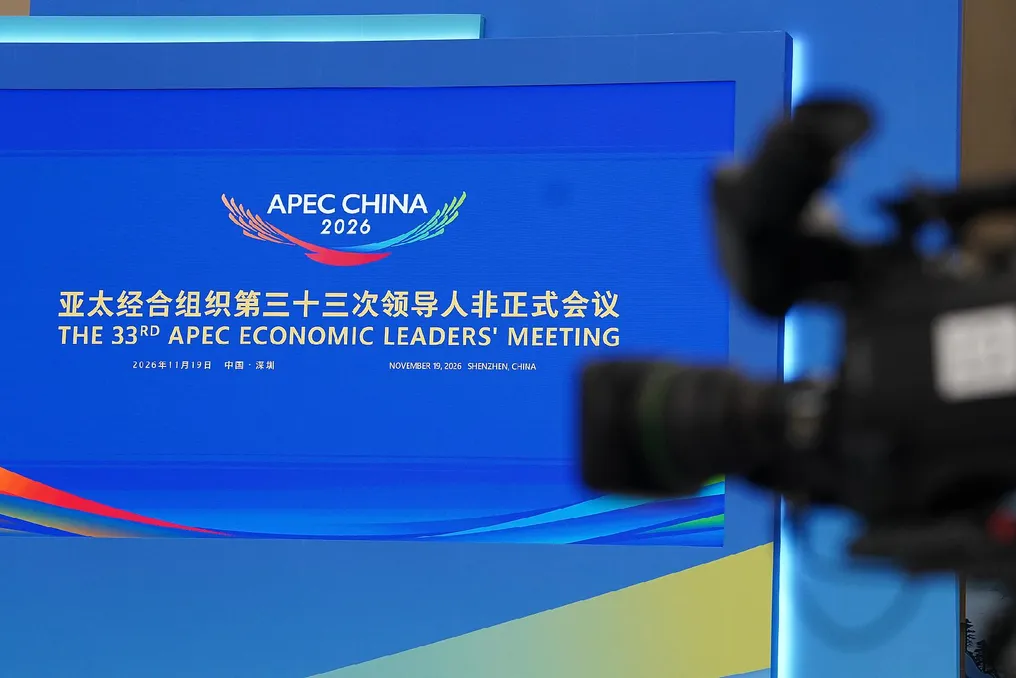
During the meetings of the economic leaders of the Asia-Pacific Economic Cooperation (APEC) held on November 18 and 19 in Shenzhen, the 'Shenzhen View' was adopted under the slogan 'Building a Prosperous Asia-Pacific Community.' Although the new wave of technological development has stimulated economic growth, significant differences remain in how various economies have benefited. In this regard, the sharp question of what common interests can unite the economies of the Asia-Pacific region, despite disagreements on the pace of liberalization, technology governance, and industrial development, was discussed at the Shenzhen meetings.

The vision of Putrajaya, approved in 2020, aimed to create an open, dynamic, sustainable, and peaceful Asia-Pacific community by 2040. China presented its concept for building this community, based on four key pillars and eight aspects. The four pillars include economy and trade, connectivity, innovation, and development. The eight aspects supporting these pillars are the Asia-Pacific Free Trade Area (APFTA), physical connectivity, institutional connectivity, people-to-people links, digital economy, new technologies, capacity building, and sustainable growth. This structure links several fundamental issues: open markets create opportunities, connectivity determines businesses' access to them, innovation generates new sources of growth, and capacity building shapes the circle of participants in this growth. In a region with noticeably different stages of economic development, open cooperation can only gain long-term momentum if these four elements are mutually reinforced.

Firstly, the Shenzhen meetings identified common ground among the economies of the Asia-Pacific region for further promoting openness, despite disagreements on trade policy. For an exporter, it is important how a contract can be enforced abroad and whether a trading partner will accept an invoice, which can be as important as tariffs, logistics, and supply chains. In Shenzhen, leaders reaffirmed their commitment to advancing the APFTA agenda and agreed on the APEC Framework of Cooperation on Digitalization of Trade for the period 2027–2030. This program encourages members to voluntarily contribute to the mutual recognition of electronic signatures and compatibility of e-invoicing systems, allowing each party to determine the pace according to its own characteristics. Despite economies still having different views on market access, there are strong reasons to eliminate procedures that increase costs without improving oversight.

Secondly, the Shenzhen meetings secured supply chain security by maintaining common trade routes, helping all parties to more clearly see the interconnection of their interests. The 'Shenzhen View' directly calls for maintaining open trade corridors and facilitating the flow of energy and other vital goods. It also emphasizes the importance of transparency in measures that may affect trade or disrupt supply chains. The updated APEC Connectivity Plan, adopted at these meetings, further integrates the development of quality infrastructure, reduction of institutional barriers, and promotion of people-to-people exchange. For the economies of the Asia-Pacific region, this provides a common vector for enhancing economic resilience: namely, strengthening the ability of the entire cross-border supply chain to withstand shocks.

Thirdly, the Shenzhen meetings linked technological innovation with employment and industrial modernization, thereby expanding the scope of new growth drivers in the region. Demand for semiconductors and investment in computing power can rapidly increase regional trade and investment figures. However, small enterprises lacking technical personnel and workers whose jobs are affected by automation require different support to benefit from this growth. Leaders endorsed the APEC Statement on Using Digital and New Technologies for Employment and Prosperity in the Asia-Pacific Region. It includes the cooperation scope of digital transformation of micro, small, and medium-sized enterprises, upskilling of workers, and the implementation of new technologies in areas such as trade facilitation, energy, and agriculture. China's initiative to establish an AI cooperation center for SMEs in APEC also provided a platform for sustainable cooperation among all parties. Since more local enterprises participate in application development, equipment maintenance, and staff training, technology dissemination can lead to both increased productivity and local employment, thereby expanding the social foundation for supporting innovative cooperation.

Finally, the Shenzhen meetings defined mechanisms to transform the initiatives proposed by the host into sustainable regional efforts. Since APEC adheres to the principles of voluntary participation, non-binding commitments, and consensus building, members can participate on terms suitable for their own situation. This leaves room for consensus building and makes subsequent efforts and progress reviews particularly important. The Connectivity Plan organized senior officials' meetings for annual discussion of its implementation from 2027 to 2030. The Framework of Cooperation on Digitalization of Trade will be monitored and evaluated by the Committee on Trade and Investment (CTI), and progress reports will be submitted in the CTI's annual reports. China also announced the allocation of $20 million to support APEC practical cooperation and the establishment of the Asia-Pacific Community Research Center in Shenzhen. Consequently, the initiatives put forward by China will continue to be jointly implemented, tested, and improved by other members after the conclusion of the meetings.

Changes Observed in Mathura Thanks to Yogi Government: Youth Opens New Businesses After Returning from Dubai
Read more
www.aajtak.in

Changes Observed in Mathura Thanks to Yogi Government: Youth Opens New Businesses After Returning from Dubai

Significant transformations have taken place in the fields of development and tourism in Mathura and Vrindavan following the ascent of Yogi Adityanath's government in Uttar Pradesh. This region, renowned for its global religious appeal, is now experiencing a surge in opportunities across hospitality, trade, and employment.

Previously, building large hotels in Mathura, which operated under the Taj Trapezium Zone (TTZ) regulations, was challenging. However, there is now an increased likelihood of implementing five-star and luxury projects. Improvements in road infrastructure, the expansion of expressways, closer connectivity to Jewar airport, and the rise in tourist numbers are providing a new impetus to local businesses. Representatives from the hospitality sector, traders, spiritual leaders, and local youth note the positive impact of these changes on their ventures and employment.

One of the main obstacles to the development of the hospitality sector in Mathura-Vrindavan was the TTZ regulations. Rajiv Bridgwashi, owner of the Taj Vivanta hotel, stated that constructing large hotels was extremely difficult before. He noted that assistance has been provided in this area since the Yogi government took power, and the path to obtaining hotel construction permits has been cleared.

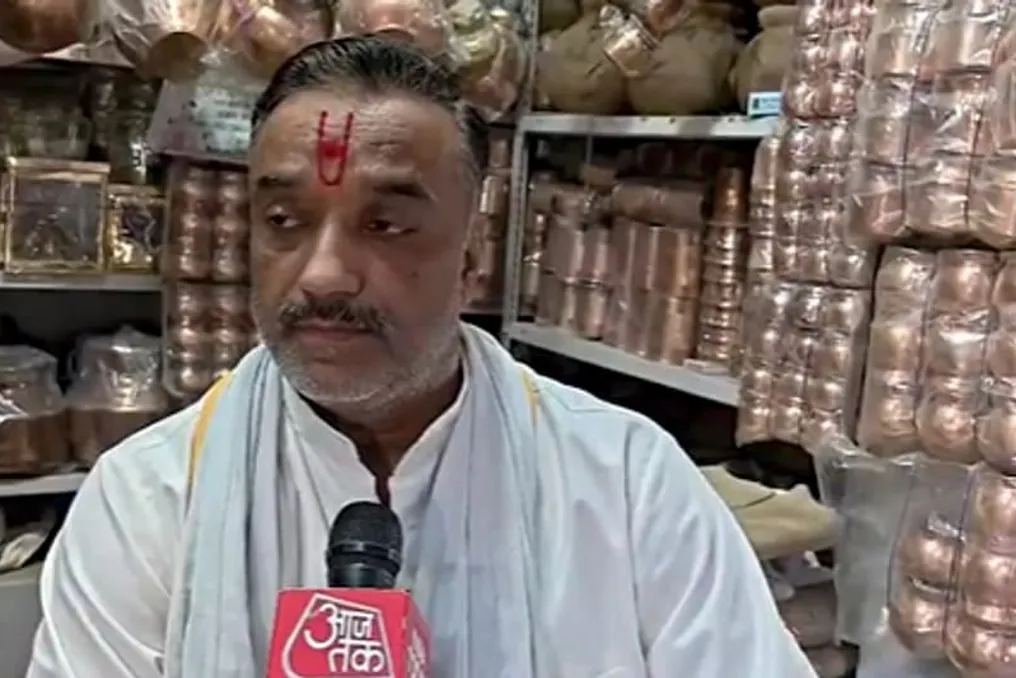
Rajiv Bridgwashi emphasized: 'Since the Yogi government came to power and Minister Yogi Adityanath focused on Mathura, the biggest change is that a solution has been found for hotels that could not be built due to TTZ. In 2022, the minister held a meeting, and the path to hotel construction approval was cleared. Our two projects received approval in the Agra region first.'

It is projected that at least 25 five-star hotels will be opened in Mathura-Vrindavan in the coming years, ensuring higher quality accommodation for pilgrims and tourists.

The increase in visitors to Mathura-Vrindavan directly impacts the hotel sector and other commercial activities. Mahendra Pratap Singh, chairman of the Mathura Hotel Association, stated that projects such as roads, expressways, and Jewar airport have significantly improved the region's transport accessibility. This has facilitated arrivals not only from different parts of the country but also from international tourists.

Mahendra Pratap Singh noted: 'Previously, several million tourists used to visit here, and now their number has reached billions. The distance from Vrindavan to Jewar airport will also be significantly reduced. Foreign tourists now feel safer here. The law and order situation has also improved.'

The benefits of increased tourism are enjoyed not only by large hotel owners but also by local residents and small entrepreneurs. Many young people who previously sought work in other cities are now starting businesses right in Mathura. Local resident Arvind Chaturvedi shared that he initially planned to leave the city in search of work, but has now established his business in Mathura.

He shared: 'I initially tried to leave because there were few business opportunities here, but with the arrival of the Yogi government, I settled here, opened my shop, and business is going well.'

Bhagwatacharya Mohit Krishna Shastri Ji Maharaj also believes that the growth in tourism has increased opportunities for local employment. According to him, young people now need to travel less to other cities in search of work.

He added: 'With the arrival of the Yogi government, both tourism and employment have grown. Young people who used to leave are now finding opportunities for trade and work here. This applies to everyone, from auto-rickshaw drivers to street vendors.'

A large number of pilgrims arrive in Mathura-Vrindavan during festivals and religious events. During events like Bheja Duj, huge crowds are seen along the banks of the Yamuna River and near temples. Local entrepreneur Mohit Sharma reported that despite the large number of pilgrims during Bheja Duj, administrative measures were implemented effectively.

He explained that the administration was well-prepared to maintain order and traffic flow among the crowds, which also benefited local businesses. Mohit Sharma deals in clothing and packaging; he noted that the demand for religious attire has increased along with the rise in tourists and pilgrims. Large clothing stores are opening in the city, strengthening local trade.

Another example of growing business opportunities in Mathura is Dharmendra Chaturvedi. He returned from Dubai in 2018 and started a small tea business, which he now runs with his family in Mathura.

Dharmendra Chaturvedi said: 'The life I lead here with my family brings me more joy than what I experienced in Dubai. There are many tourists here, and by the grace of God, business is doing well.'

Popular