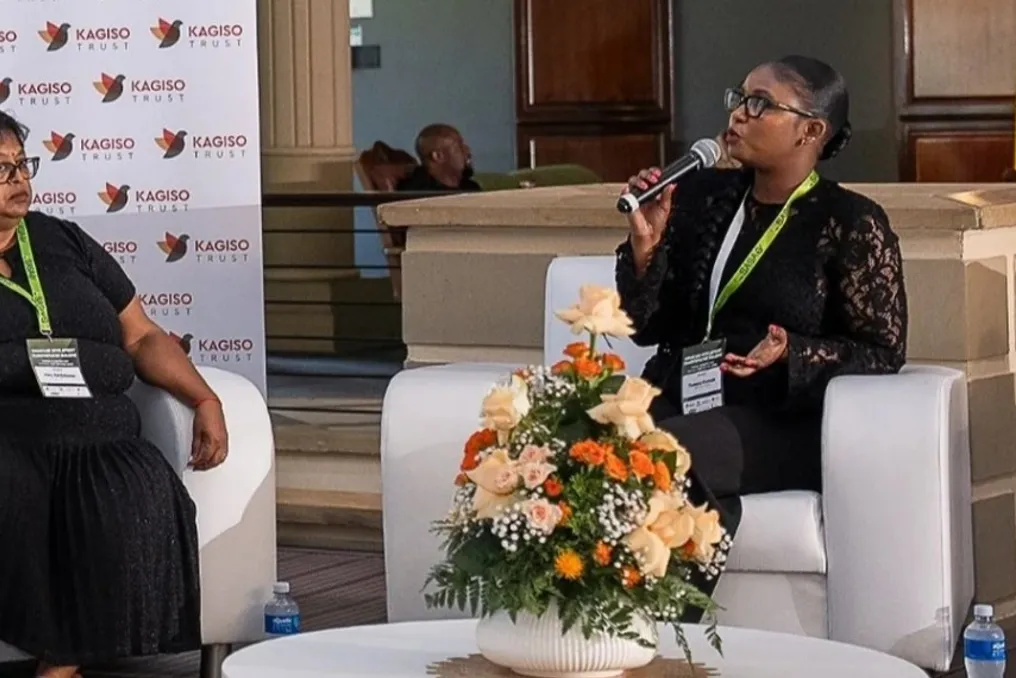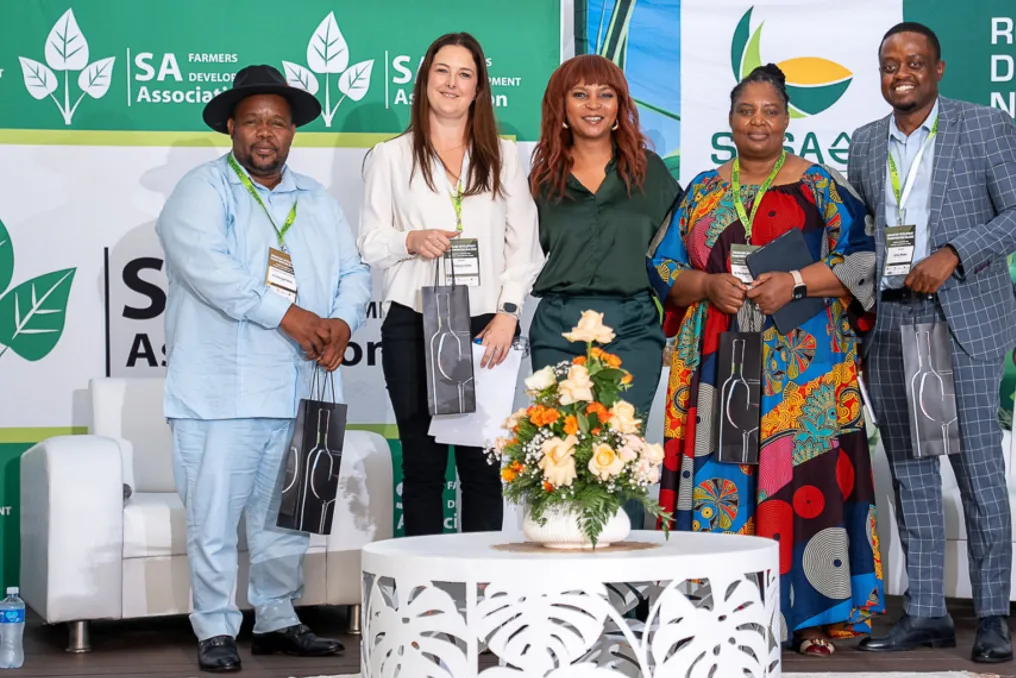
Small sugarcane farmers in KwaZulu-Natal have sent a clear message to the industry: provide them with the opportunity, and they will deliver results. This sentiment prevailed during the Sugarcane Development Transformation Dialogue, which took place in KwaShukele, Mount Edgecombe, Durban, on Thursday.
In general agreement that the 2028 deadline would be missed, farmers, processors, investors, and industry organizations discussed ways to accelerate progress toward the industry's target transformation rate of 51%. During a panel discussion led by Mako Gushumisa from Safda Financial Services, four farmers receiving support from the South African Farmers Development Association (Safda) and Kagiso Trust shared the changes brought about by financial assistance.
Tandiswa Ndlovu, a 23-year-old farmer and director of Bongza Farming & Engineering, is the youngest participant in the program. Before receiving support, her 85-hectare farm had low yields. After replanting and restructuring the farm, she expects increased harvests this season. The surrounding community is equally important; many neighbors previously lacked agricultural experience. She noted: 'Jobs were created, people got work, and they had to learn all the necessary skills.'
Funding that arrives in a week
For Bongani Sambo from Ikhwezi Agro Holdings, the most significant change was speed. He joined the family business in 2018, switching from vegetables to sugarcane. In his experience, financiers either give a quick, usually negative, response or a slow one requiring months of inquiries. Support from Safda arrived immediately after the harvest when the partner's problems prevented the business from accessing funds. 'I was very impressed that it only took a week,' he stated. He also utilized Safda's mechanization services for planting cane on newly acquired land and for repairing farm roads. 'It was a huge success for me.'
'Their humanity is now recognized'
Nolwazi Zaka, a project manager from Isivuno Somzali Primary Co-operative, described herself as a 'product of sugarcane.' Her village's project collapsed many years ago. When her father tried to revive it, neighbors asked to participate. Safda and Kagiso Trust became involved near the end of the planting season. 'We were in a hurry, but since we were given this wonderful opportunity, we wanted to take advantage of it,' she said. The project grew from an initial 50 hectares. Despite high diesel costs, jobs were created. 'People who previously had no opportunity to work can walk the streets of their own village. Their humanity is now recognized.'
After finishing her studies, Zaka herself was unemployed. Her direct question to the audience was: 'This 51% figure will be possible if you allow us to work with you. As small producers, we are hungry.'
'Don't expand faster than your cash flow'
Zethembiso Maphumulo from Mganu Afrika reported that the August strike affected production. He emphasized: 'We must be rooted in the soil. We are children of the earth.' His main lesson concerned finance. 'Most of our problems are related to money even before they become operational.' Without cash flow, farmers cannot plant, mechanize, or test soil in a timely manner. 'If you don't set your soil correctly, how will you know what fertilizers to apply?' He highly praised the program for its efficiency and speed and requested that it cover more farmers, 'regardless of whether they are small or large.'
From projects to ecosystem
Quinton Naidu, Head of Socio-Economic Development at Kagiso Trust, explained that the trust is working to connect farmers, processors, beneficiaries of land reform, and investors. He presented a development conveyor belt covering approximately 46,000 hectares across several catchment basins, demonstrating the scale of their efforts.
Andrew Cochran, Agricultural Manager at Illovo Sugar South Africa, noted that early models where processors planted cane for farmers resulted in losses. Currently, Illovo supports about 3,000 hectares of small cane. He warned against grant dependency. According to him, commercial farmers replant 10–12% of their cane annually, but small farmers often cannot cover the loss of income. He proposed replanting grants conditional on recipients setting aside 10% of each grant.
Orchestration, ownership, and trust
The discussion then shifted to how an integrated sugarcane development ecosystem can function in practice. Dr. Mankodi Motshe, CEO of Kagiso Trust, stated: 'An ecosystem and collaboration are a myth if they are not orchestrated.' She added that trust and 'listening leadership' are necessary. Dr. Siyabonga Madlala, Executive Chairman of Safda, called for farmer-managed partnerships with real farmer ownership. Sherrin Asher, CFO and Administrator of SA Canegrowers, stated that funded projects will now be tracked from start to finish to ensure money actually reaches the farmers. In her view, transformation should be measured by the number of small farmers entering and remaining in the industry. Another participant hoped to see financiers move from being mere risk identifiers to opportunity identifiers.
For the farmers present at the meeting, the possibility is obvious. As Zaka said: 'We are ready.'