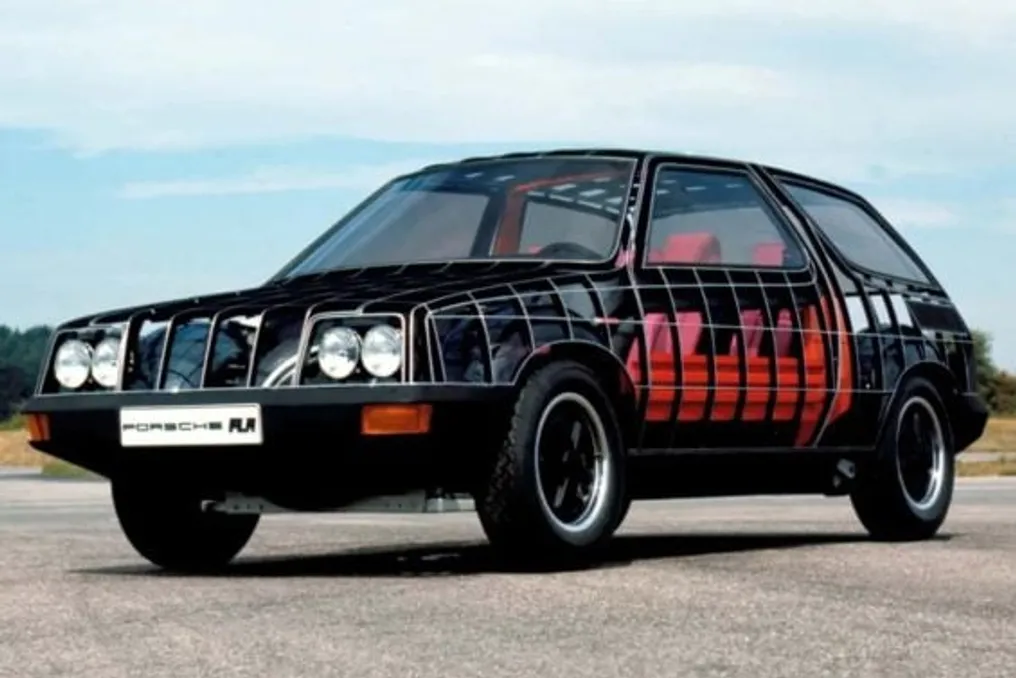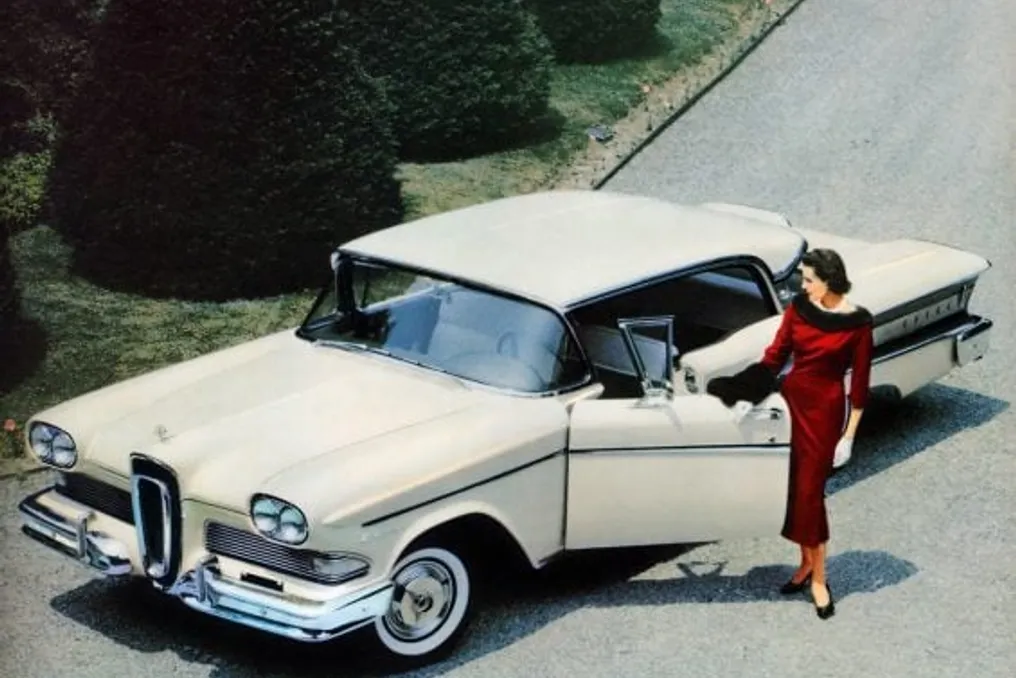
Sam Fiorani, vice president of a consultancy focused on global vehicle sector forecasts, summarized the challenges faced by manufacturers by stating that none of them has a flawless path, as all will make mistakes due to the vast number of options to explore.
A partial survey, compiled by artificial intelligence, presents several examples of unsuccessful projects. Among the models marketed in Brazil, the case of the electric pickup Cybertruck, developed by Tesla, a company founded by Elon Musk, stands out.
The Cybertruck, launched three years ago, had a controversial design. Despite being presented as armored and having a sales projection of 250,000 units annually, it reached only about 70,000 buyers in total, corresponding to 10% of the expected, and is scheduled to be discontinued in mid-2027.
This episode serves as a lesson that engineering failures occur, even considering the high costs and effort of manufacturers, who fundamentally depend on consumer purchasing decisions.
To celebrate the 140th anniversary of the invention of the automobile by Carl Benz, the German brand's offensive in the Brazilian market includes an unprecedented renewal cycle.
In the premium compact car segment, the CLA 200 AMG Line was introduced. This model features a semi-hybrid powertrain (48V), along with features such as integrated super screens, 5G connectivity, and embedded artificial intelligence, with its price set at R$ 364,900.
Among electric vehicles, the GLB 250+ AMG Line, a seven-seater SUV, offers 272 hp and 34.1 kgfm. With an 85 kWh battery, it guarantees an average range of 427 km (city/highway), according to Inmetro standards, and supports ultra-fast charging of up to 320 kW in DC, costing R$ 409,900.
The same German brand's sports division launched the Mercedes-AMG GLC 53 4MATIC+, available in SUV and coupe versions. Its engine is a traditional 3-liter, turbocharged, semi-hybrid (48V) six-cylinder, generating 449 hp and 61.2 kgfm. The vehicle accelerates from 0 to 100 km/h in 4.2 seconds and features on-demand all-wheel drive and a steering rear axle. Prices are R$ 729,900 for the SUV and R$ 749,900 for the coupe.
The fourth launch is the top-of-the-line Classe S 580 4MATIC, historically recognized for its sophistication and refined driving. Equipped with a semi-hybrid 48V V8 engine, it produces 537 hp and 76.5 kgfm. The interior can be configured with the First Class option, which transforms the rear seat into a mobile office, offering a high level of acoustic comfort and connectivity.
These four new models strengthen the brand's strategy in the national market, balancing the transition to electrification without abandoning semi-hybrid and hybrid combustion engines. Although no new plug-in hybrid model was included in this campaign, they remain available in Brazil.