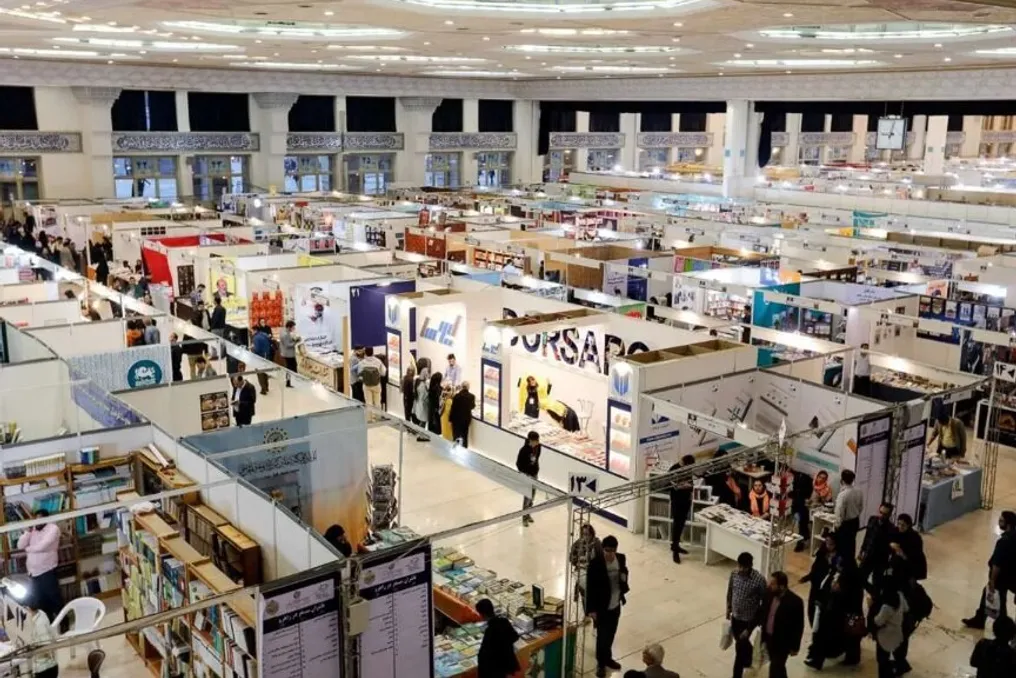
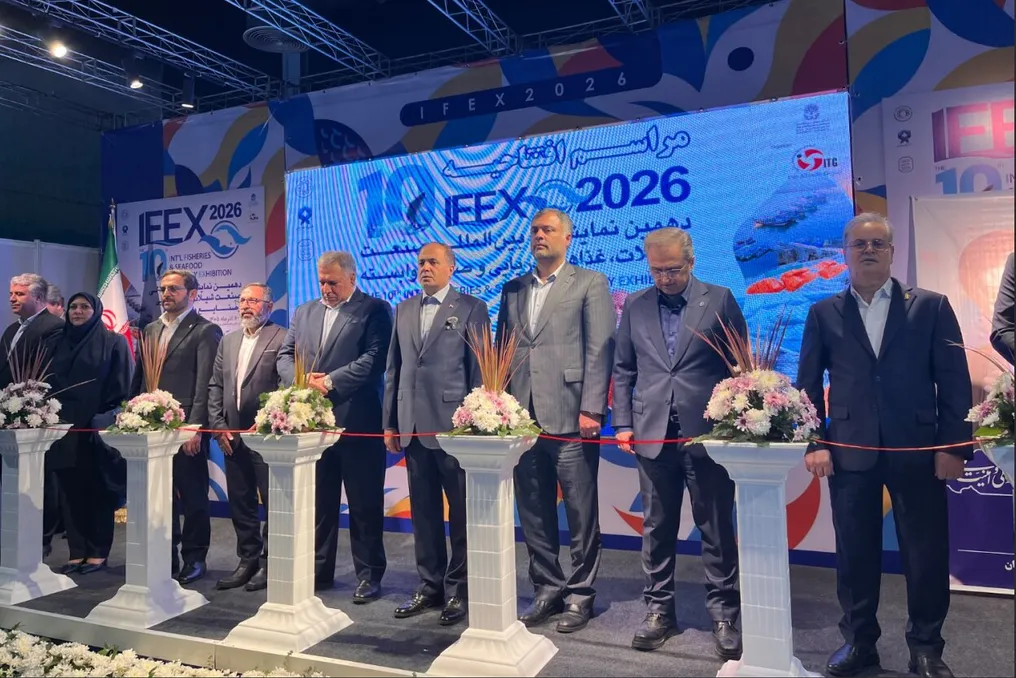
The tenth International Exhibition of Fishing, Aquaculture, Fisheries, and Related Industries (IFEX 2026) is taking place in Tehran, which opened on Friday at the permanent international fairground in Tehran with the participation of the Minister of Agriculture.
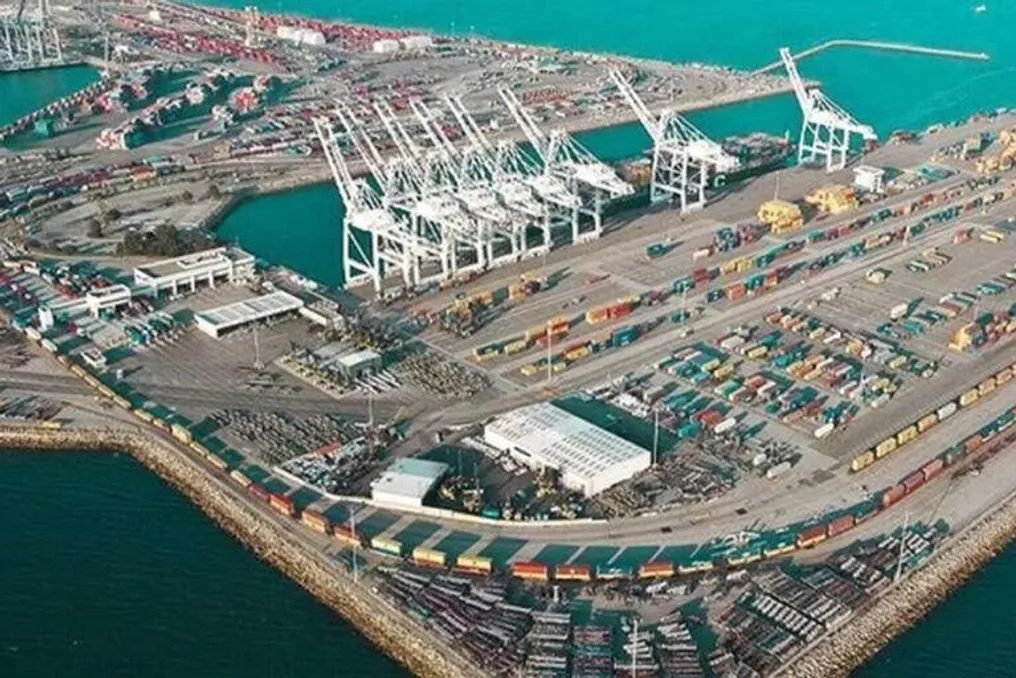
This year, the event began with an emphasis on the resilience of fishermen in the southern and northern regions, as well as demonstrating the dynamism of the marine economy. The IFEX 2026 exhibition gathers participants and fishermen from across the country—from Bo Mus, Sirik, Jask, and Kushm to the southern and northern provinces, showcasing a different model of sustainability in the production chain.
Speech by the Deputy Minister of Agriculture
At the opening ceremony, Hamzeh Rostampour, Deputy Minister of Agriculture and head of the Iranian Fisheries Organization, paid tribute to the martyrs of the Islamic Revolution, fishing martyrs, and resistance martyrs. He noted the critical situation of the country, stating: 'Our country is going through difficult times; we have military and hard days, but despite these conditions, the tenth fisheries exhibition took place with significant advantages compared to last year, including product diversity, export development, and modern production methods.'
The head of the Fisheries Organization, mentioning the sacrifices of over 40 martyrs and missing persons in the fishing sector since March and the beginning of the third imposed war, added: 'The peak of the country's work in the fisheries sector was demonstrated during these days, when the catch of fishermen and shrimp activities in Hormozgan, Bushehr, Khuzestan, and Chabahar did not stop. Even when the enemy attacked adjacent bridges, trucks carrying feed for aquatic life continued to move. These dear people came from all over the country to say that we are not defeated by the war and will not be a burden on big cities, but we have taken responsibility for food security and employment with all our heart and soul.'
Presenting statistics on the sector's achievements, Rostampour reported: 'Despite all difficulties, our fish exports have increased by more than 50% compared to the pre-war period. Furthermore, this year, thanks to the efforts of fishermen and in accordance with IOTC (Indian Ocean Tuna Commission) requirements, open-sea catches have increased by more than 35%.'
Highlighting the key role of investment in the development of this industry, he noted: 'Before the war, 34 trillion tomans were invested in the fisheries sector; this figure reached 67 trillion tomans last year, and this year, over 40 trillion new investments have been registered, 90% of which is private capital, and a significant part goes to the southern provinces of the country—a province that directed its capital towards development under these difficult conditions.'
The head of the Fisheries Organization also spoke about the latest state of shrimp production: 'Today alone, over 40,000 tons of shrimp were harvested from farms, and another 60,000 tons are on the way, equivalent to the entire pre-war harvest. My request is not to view fisheries merely as a production agency.'
According to statistics presented at the exhibition, the total water volume of the country's production reached over 1,566,000 tons (including over 733,000 tons in aquaculture), and Iran, with an annual production of about 270,000 tons of rainbow trout, still ranks first in the world for the production of this species.
Discussion of Issues with Officials
Later at the ceremony, the Minister of Agriculture and members of parliament toured the stands and met with fishermen and producers from coastal areas to discuss their problems, including sustainable raw material supply, cold chain development, and obstacles to currency repatriation.
Golmarreza Nouri, the Minister of Agriculture, speaking to reporters, mentioned the record export of Iranian fishery products amid heightened security and sanctions, and announced the attraction of large private sector investments in this field.
Emphasizing the priority of energy supply for the agricultural sector, he stressed the strategic role of research companies in achieving complete self-sufficiency.
Commenting on the results of the fisheries sector's activities, the Minister of Agriculture stated that the sector has achieved significant successes in confronting international challenges: 'While the country faced sanctions, blockade, and security fluctuations in fishing areas, contrary to analysts' expectations of a crisis, we witnessed an export surge. Currently, 180,000 tons of fishery products have been exported, which demonstrates the resilience and authority of our producers under these conditions.'
Nouri, paying tribute to the fishermen who sacrificed their lives for the needs of the country, added: 'Like the armed forces standing on the frontline of defense, our fishermen also stood on the frontline of food security with all their strength for the country.'
Analyzing investment trends in this industry, the Minister of Agriculture highlighted the key role of the private sector: 'Statistics show that only in the first half of this year, over 40 trillion tomans were attracted to the fisheries sector. This volume of investment, made predominantly by the private sector, indicates high profitability and desired productivity in this production chain.'
He also noted: 'The government and the Ministry of Agriculture, having identified suitable areas on the northern and southern coasts of the country, have provided the necessary infrastructure to attract investors. Furthermore, necessary conditions have been provided in cooperation with the banking system to develop these areas and support investors.'
In the research and development section, a senior ministry official announced scientific progress in the fisheries sector, stating: 'By supporting research companies and closely cooperating with research institutes, we have achieved great success; including moving towards complete self-sufficiency in the import of rainbow trout caviar. The Ministry welcomes all growth centers and universities for a technological leap in this industry.'
Addressing issues in the energy sector, the Minister of Agriculture emphasized the policy of optimal consumption but insisted on prioritizing fuel supply to farmers: 'Although energy management is a general principle, given the vital importance of agriculture for food security, special attention is paid to supplying the energy needed by this sector.'
He also stated: 'Regarding recent issues with fishermen's fuel quotas, necessary measures are being taken to resolve this issue completely in the near future.'